My Top Ten Swiss Experiences of 2025
Every December, I watch people publish their year-end wrap-ups and wonder: how do they finish these before the year ends? December is always such a blur of deadlines and events and parties and travel and evenings with glühwein at the Christmas markets. I also spend about two weeks in the U.S. for the holidays, and those trips are such a whirlwind that I barely have a chance to come up for air, let alone sit down and thoughtfully reflect on my last 365 days. If you are able to do this, I'm very impressed.
So without further ado, here are my top ten Swiss experiences of 2025 (if you want to go back in time, here are all the past years). Fair warning: it's long. But I'm biased enough to think it's worth the read.
1. An ever-so-short foray into skiing
The first thing Raunaq and I did in 2025 was go skiing. We were renting a mountain apartment in Davos at the time, so if there was ever a winter to break our downhill-skiing drought, this was it. If anything, it was worth it so that we could finally answer, "Yes, of course we've skied in the Swiss Alps."
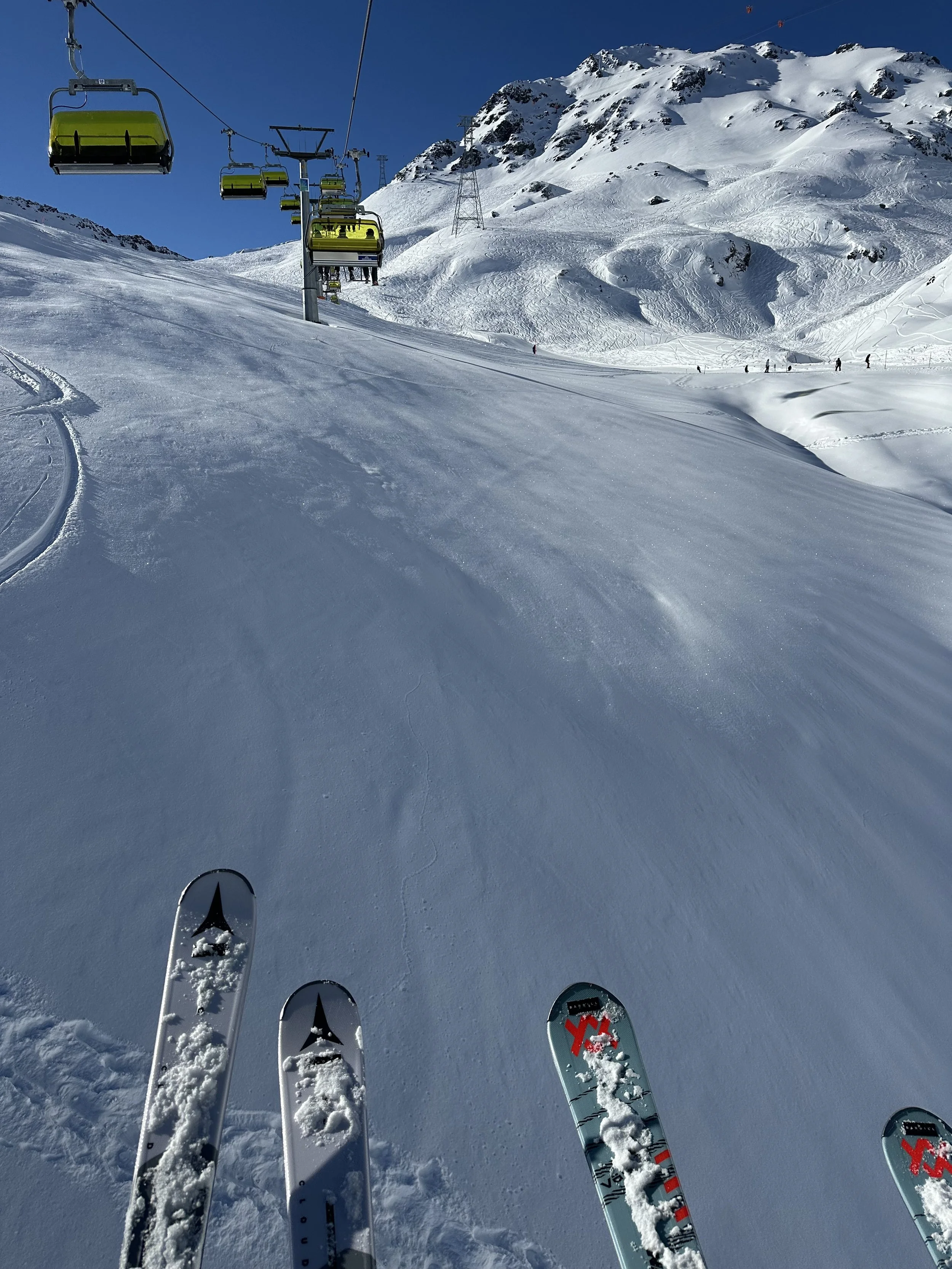
I skied as a kid and snowboarded in my teens, but it had been almost two decades since I'd properly been on the slopes. Raunaq had never skied at all. So in January, we both signed up for a weekend of lessons in Davos—him in the beginner class, me one level up. But when no one else registered for his session, he got bumped into mine. He was nervous in the beginning, but surprise! Raunaq was a natural.
Even the instructor was impressed with how quickly he learned and improved over the two days. And it was reassuring to feel my muscle memory return after a 20-year hiatus. By the end of the course, we were happily whizzing down the bunny slope and feeling pretty dang good about this whole downhill skiing concept. What were we so nervous about, anyway? This is great!
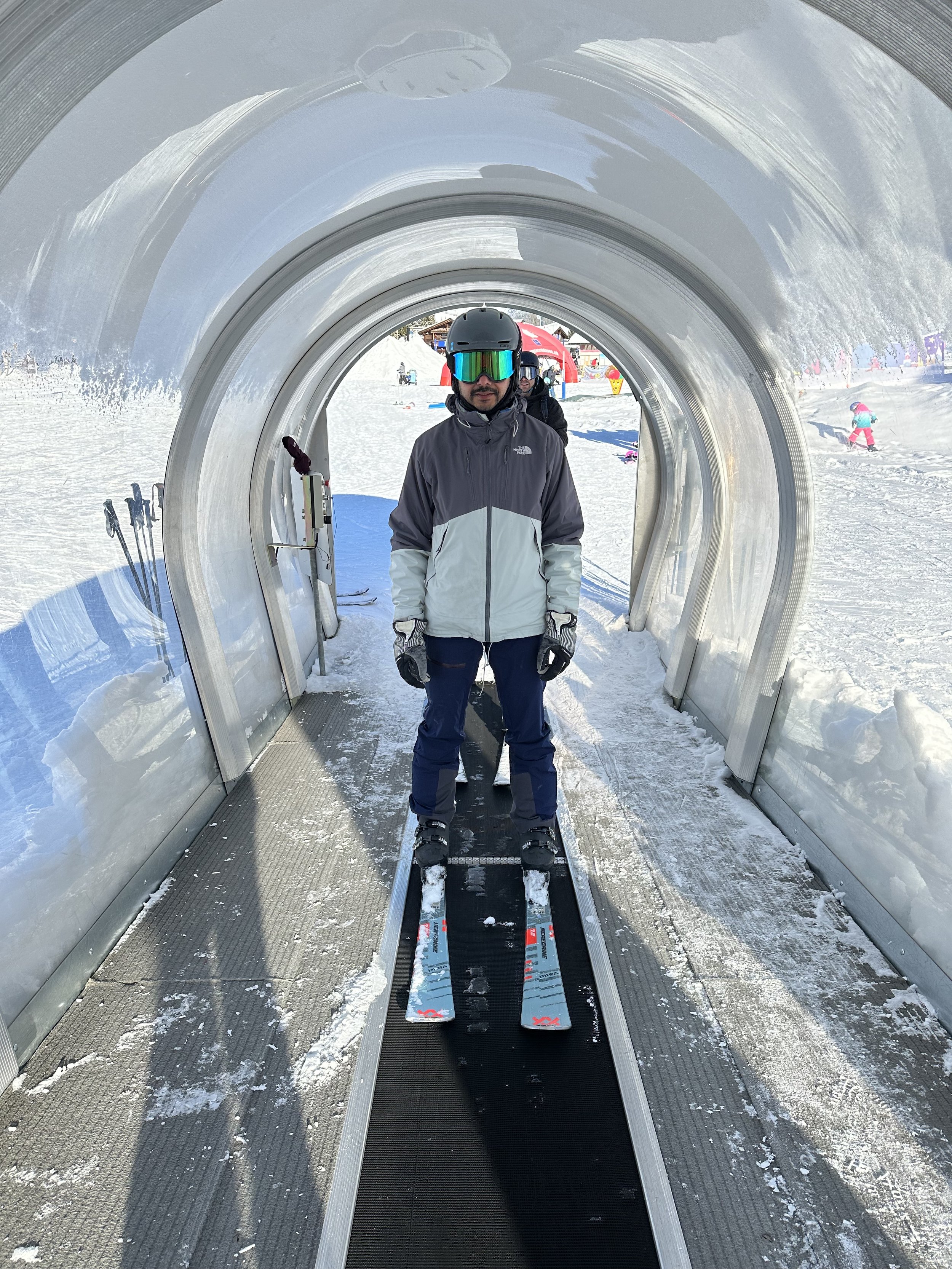
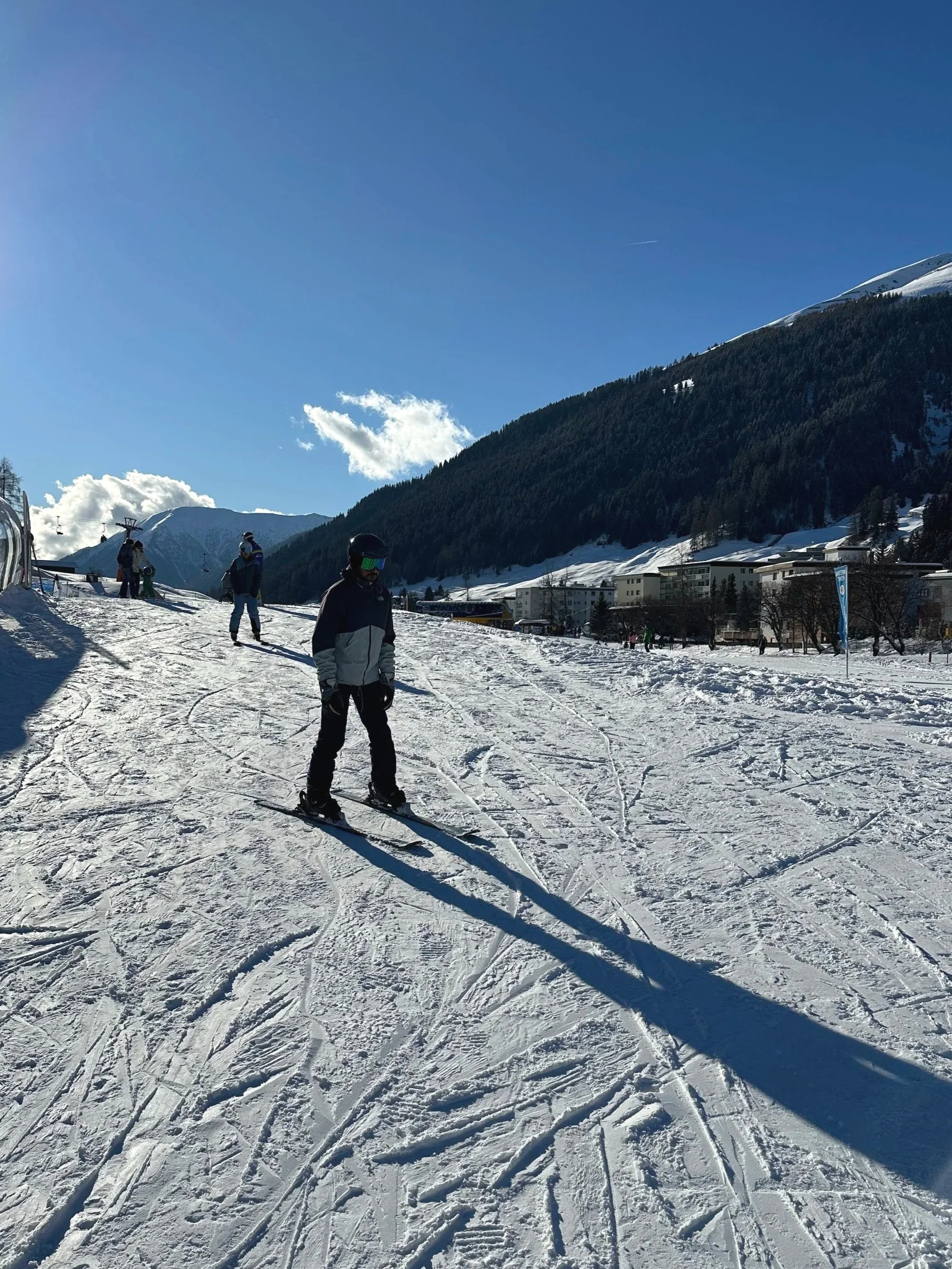
Brimming with confidence, the next weekend we each bought two-day ski passes to all the resorts in the Davos area. On that Saturday morning, in quick succession, we learned three important things:
First: Don't leave your plastic ski boots in the car trunk overnight. Because if you do, they will freeze shut. We spent fifteen minutes in the parking lot trying to pry them open before giving up and sheepishly driving back to the rental shop to get them thawed out in the ski boot microwave.
Second: Nothing about the bunny slopes prepares you for a real ski run. Especially if said run is at the very top of the Jakobshorn mountain.
Third: Swiss ski piste maps are full of lies.
(To clarify: In Switzerland, "blue" slopes are considered the easiest slopes. We understood that to mean beginner-friendly. In fact, a blue slope simply means it's the easiest way down that particular mountain. Easy and easiest-way-down, dear friends, are two very different things).
Needless to say, our first day skiing on Jakobshorn was rough. Whoever told us that Davos was a “great area for beginners,” I must ask: What did we ever do to you?
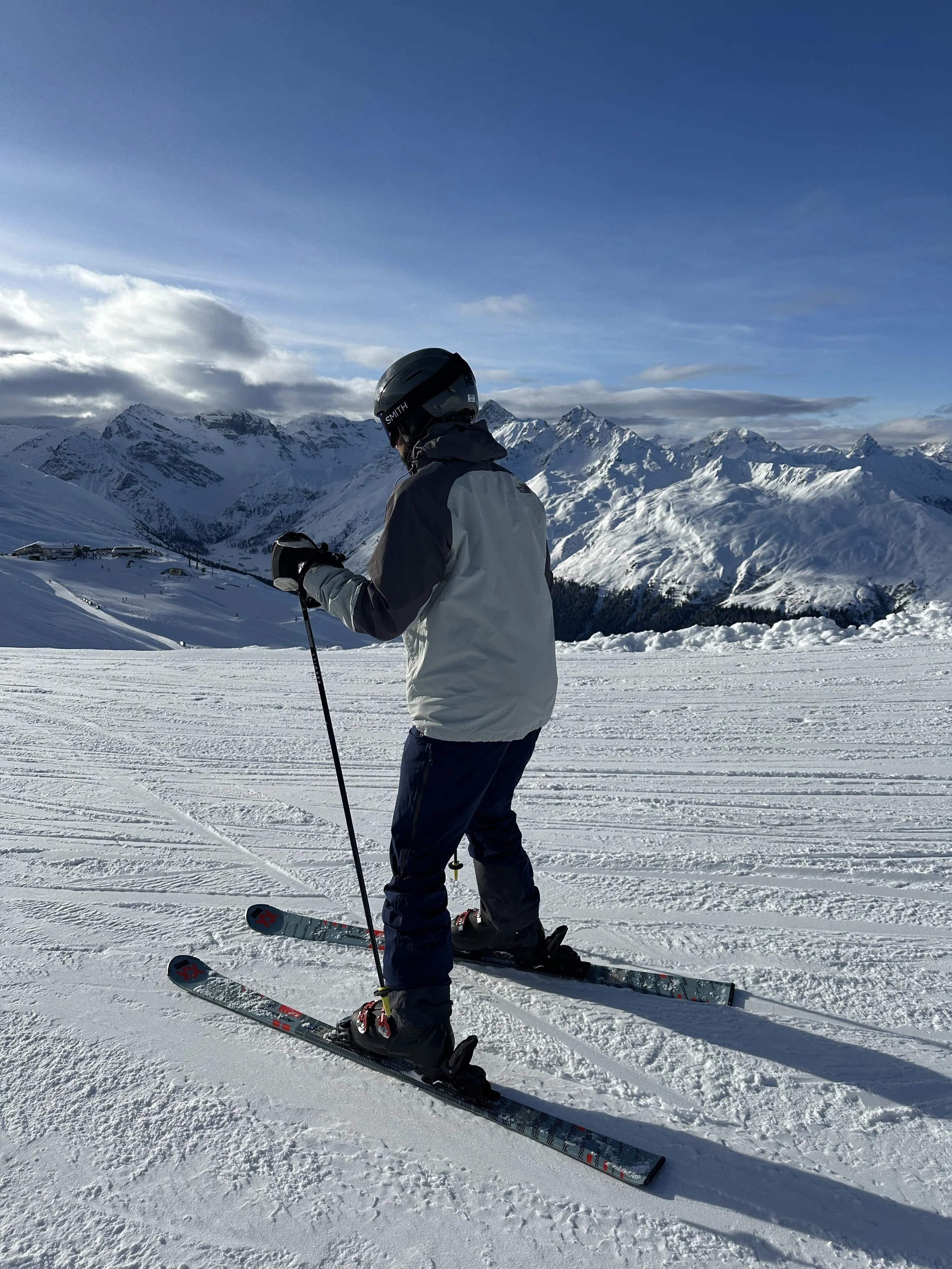
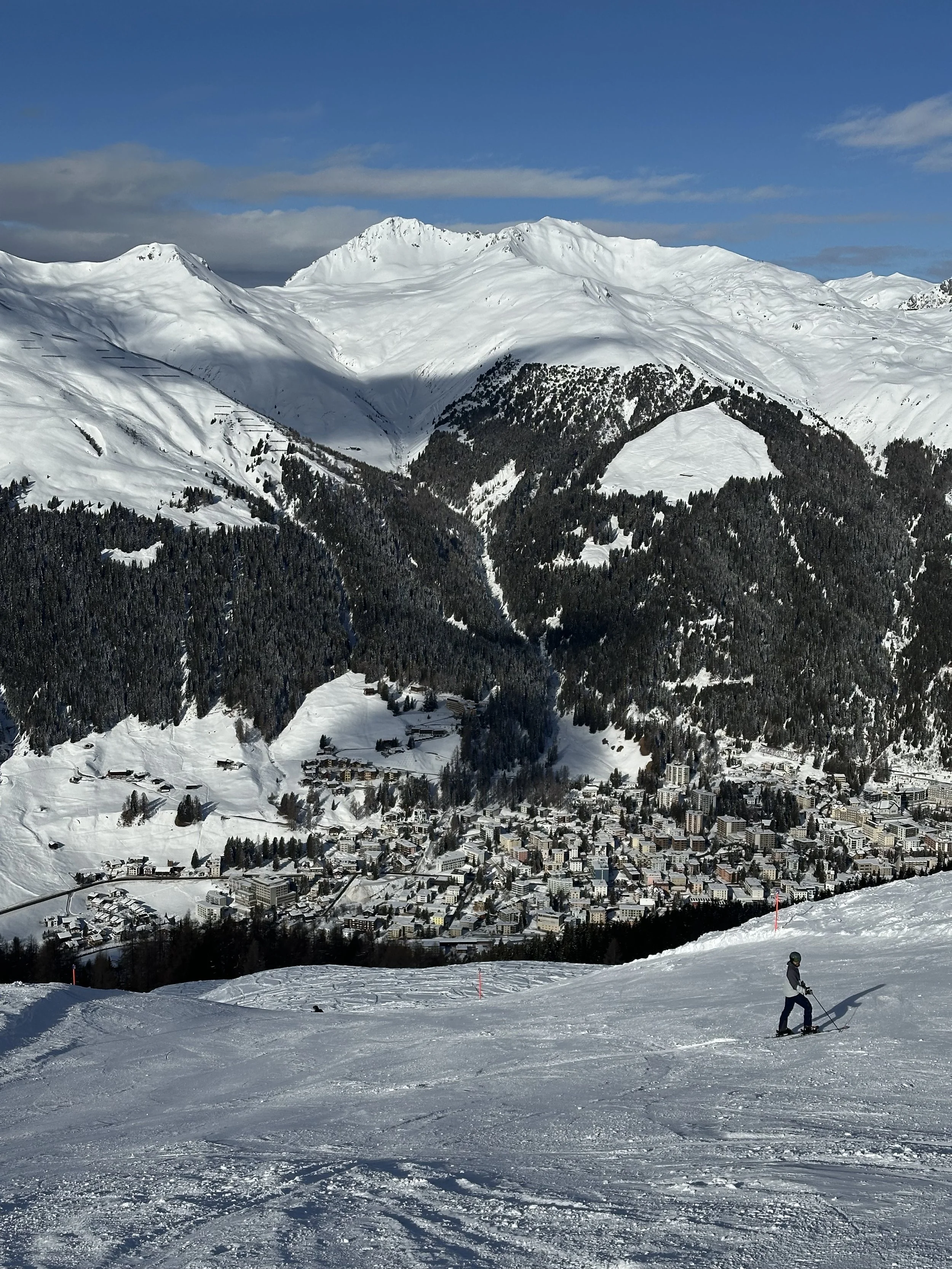
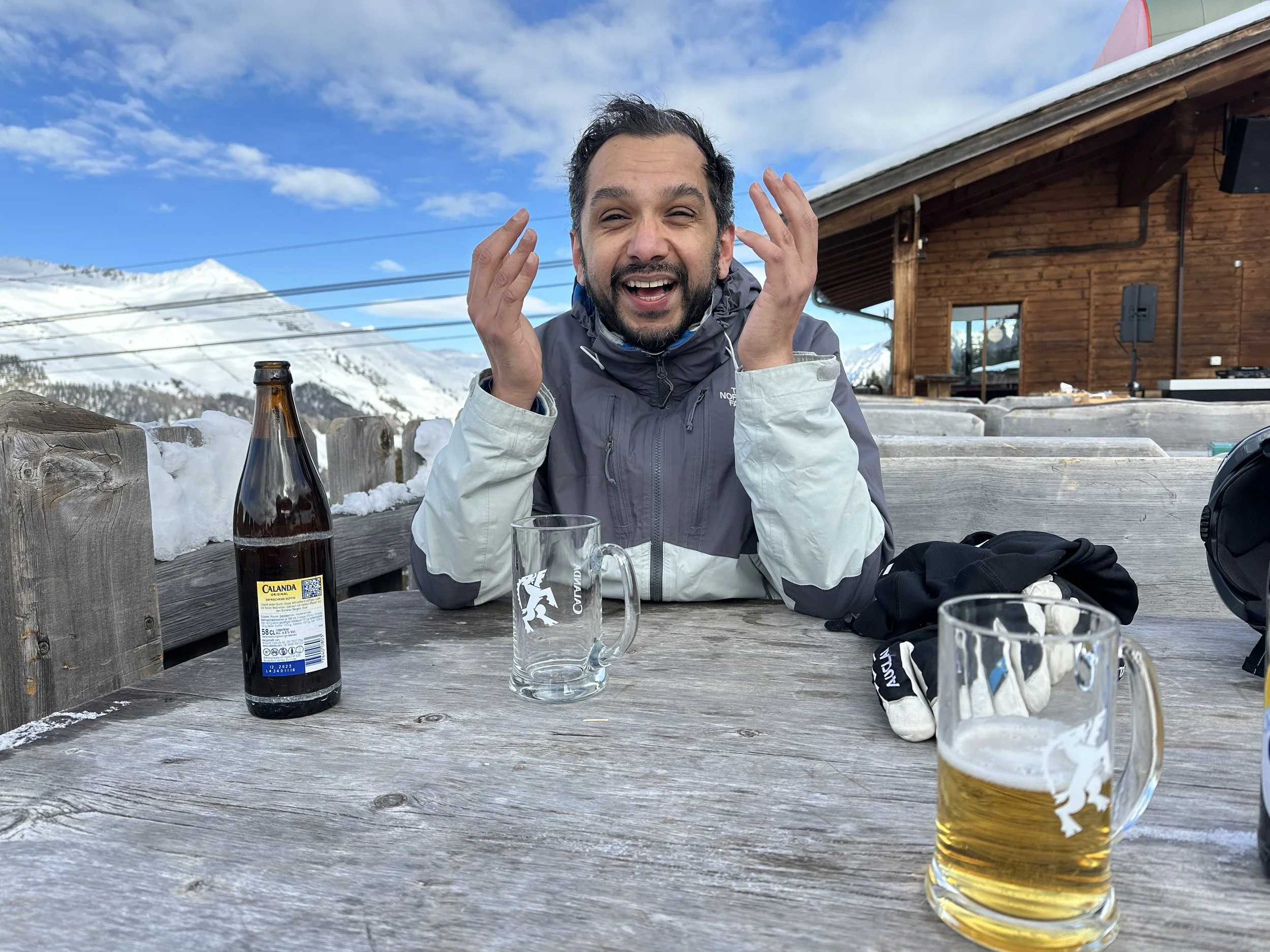
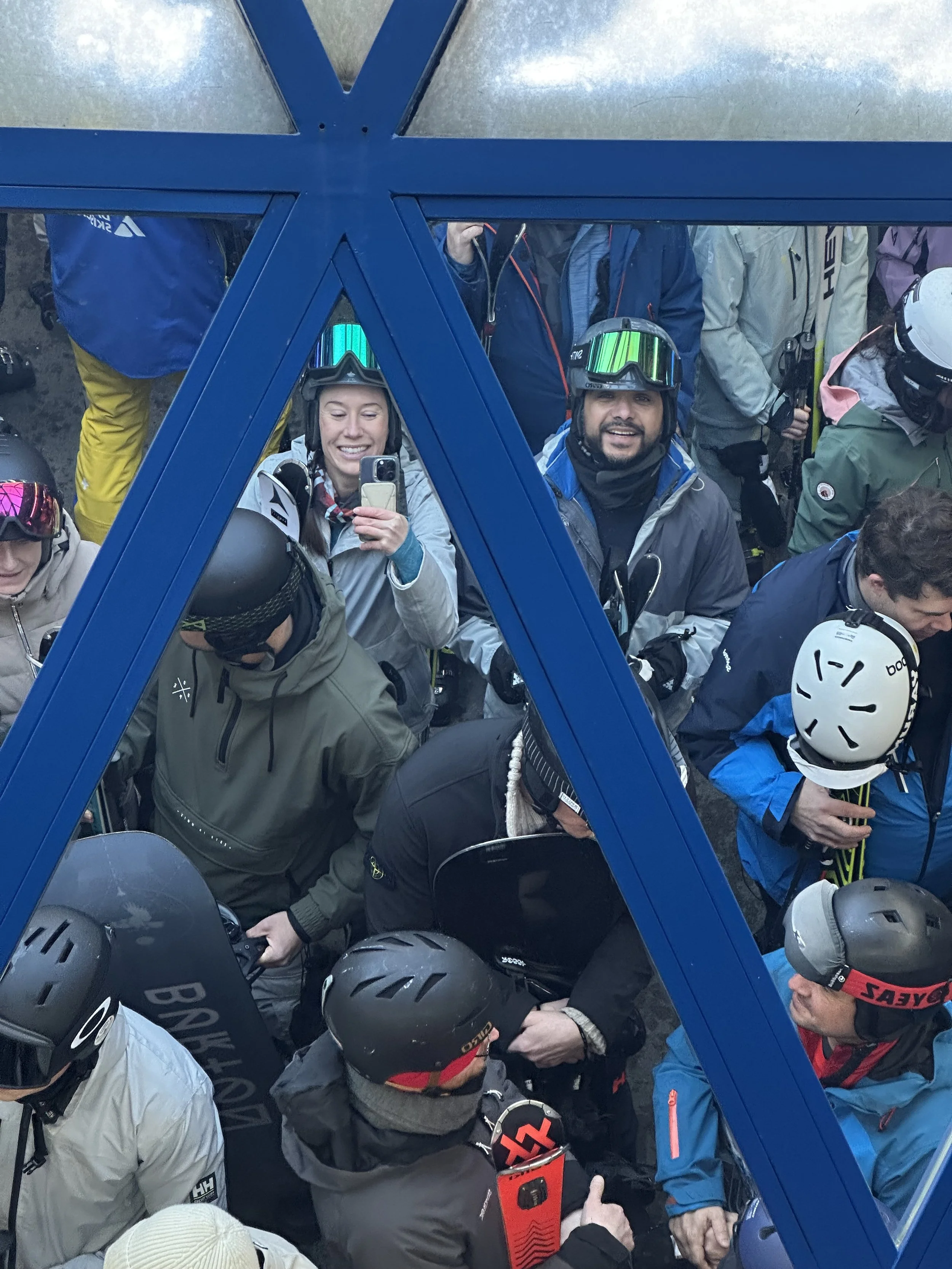
Because my god, the runs were STEEP. My legs were exhausted from snowplowing down, and poor Raunaq just took tumble after tumble. This is the day we learned the term "yard sale": when you fall so hard that your gear goes flying, scattered across the slope like merchandise at a clearance event. Raunaq was hosting yard sales all over the mountain. At one point I looked back to find him in a heap thirty feet uphill, skis nowhere to be seen, a single pole planted in the snow like a flag marking the crash site. We were both ready to give up by about 10am, but we stuck it out for the whole day.
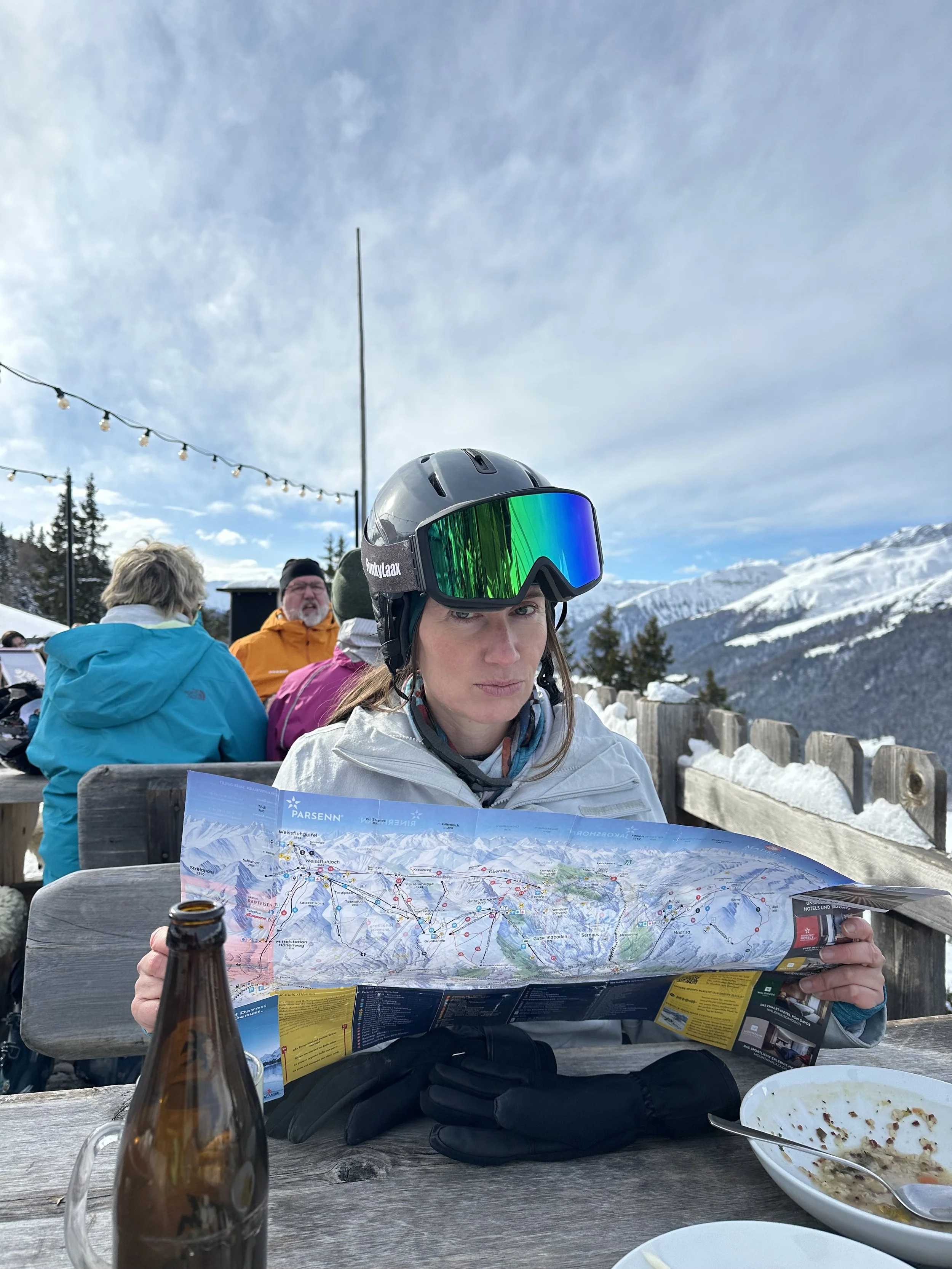
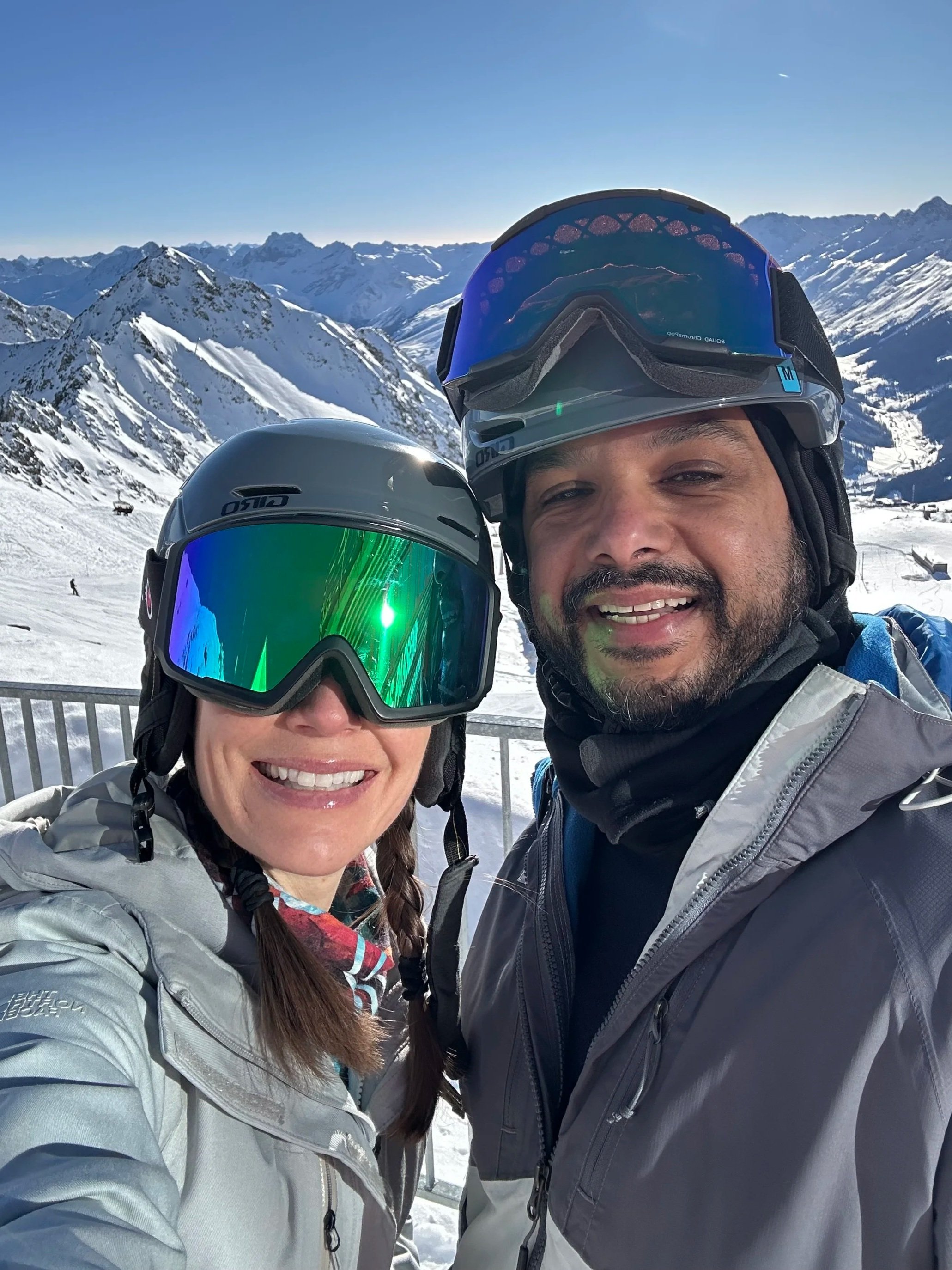
On Sunday, confidence bruised but spirits (mostly) intact, we tried again. On a friend's recommendation, we switched to the Parsenn resort. It was like night and day from our experience at Jakobshorn. Everything on this mountain was better for beginners—wider slopes, gentler runs, the works. Dare I say, the runs even felt like “true” blues. Instead of fighting for our lives, we could work on our technique and, most importantly, actually enjoy ourselves. The views were better. Even the weather was better. Bluebird day, not a cloud in the sky. It was perfect.
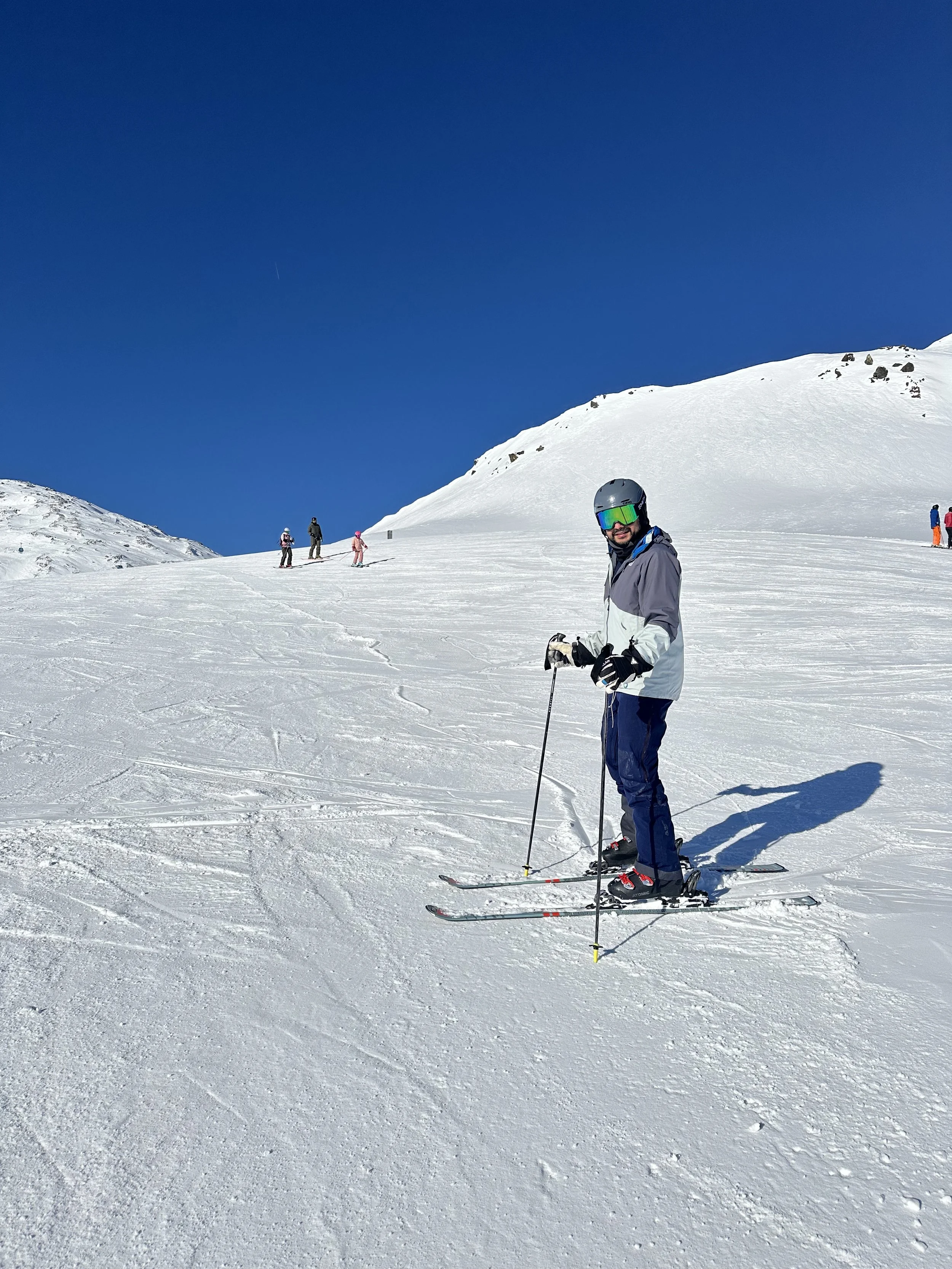
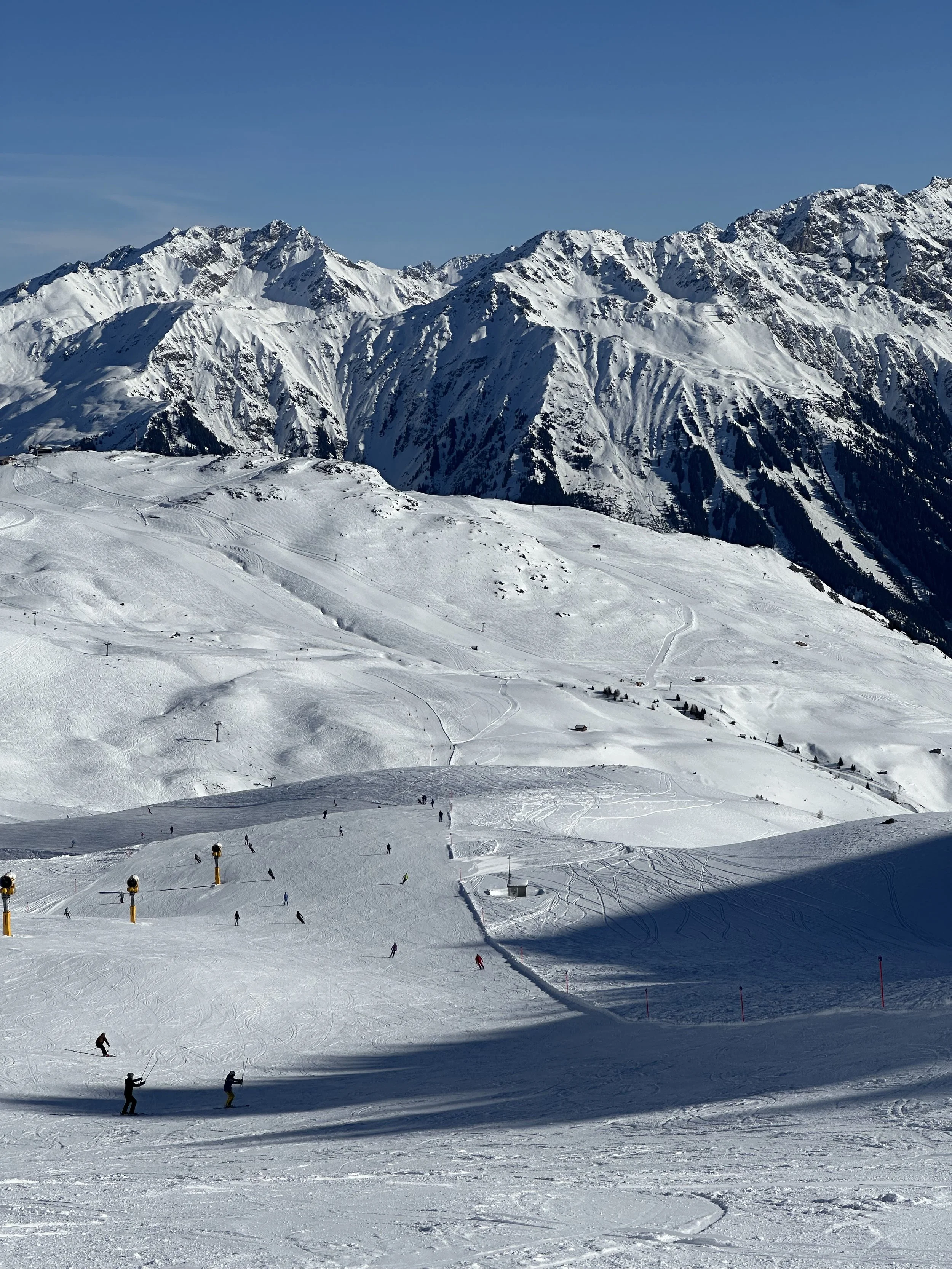
Alas, until it wasn't. That afternoon, Raunaq took a hard fall and completely tore his ACL. Plus a fractured shoulder, though he'll insist that one happened the day before. We ended the day in the Davos hospital, along with all the other unlucky skiers. And just like that, the ski season—and frankly, half of Raunaq's 2025 hiking season—was over before it even began.
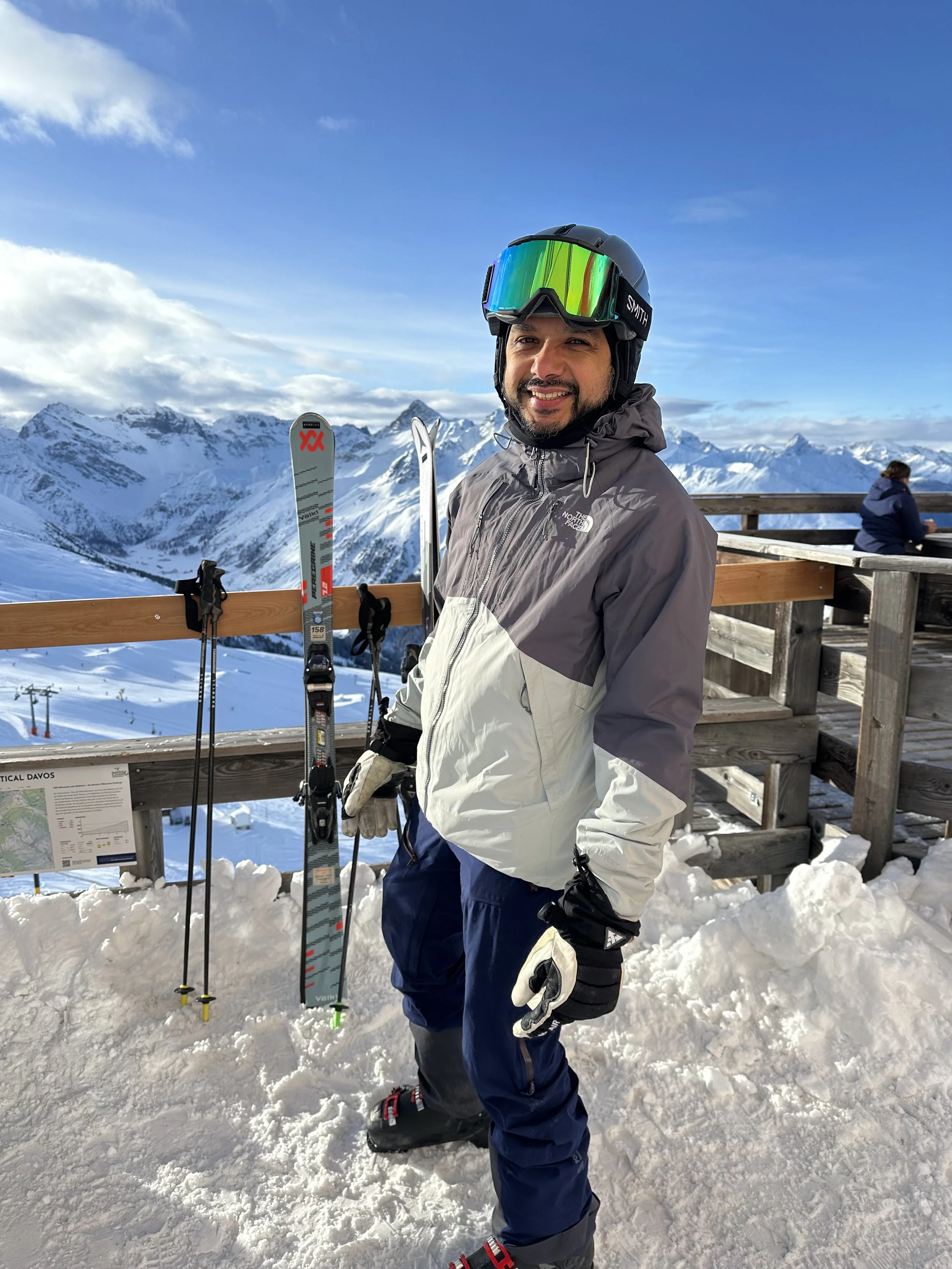
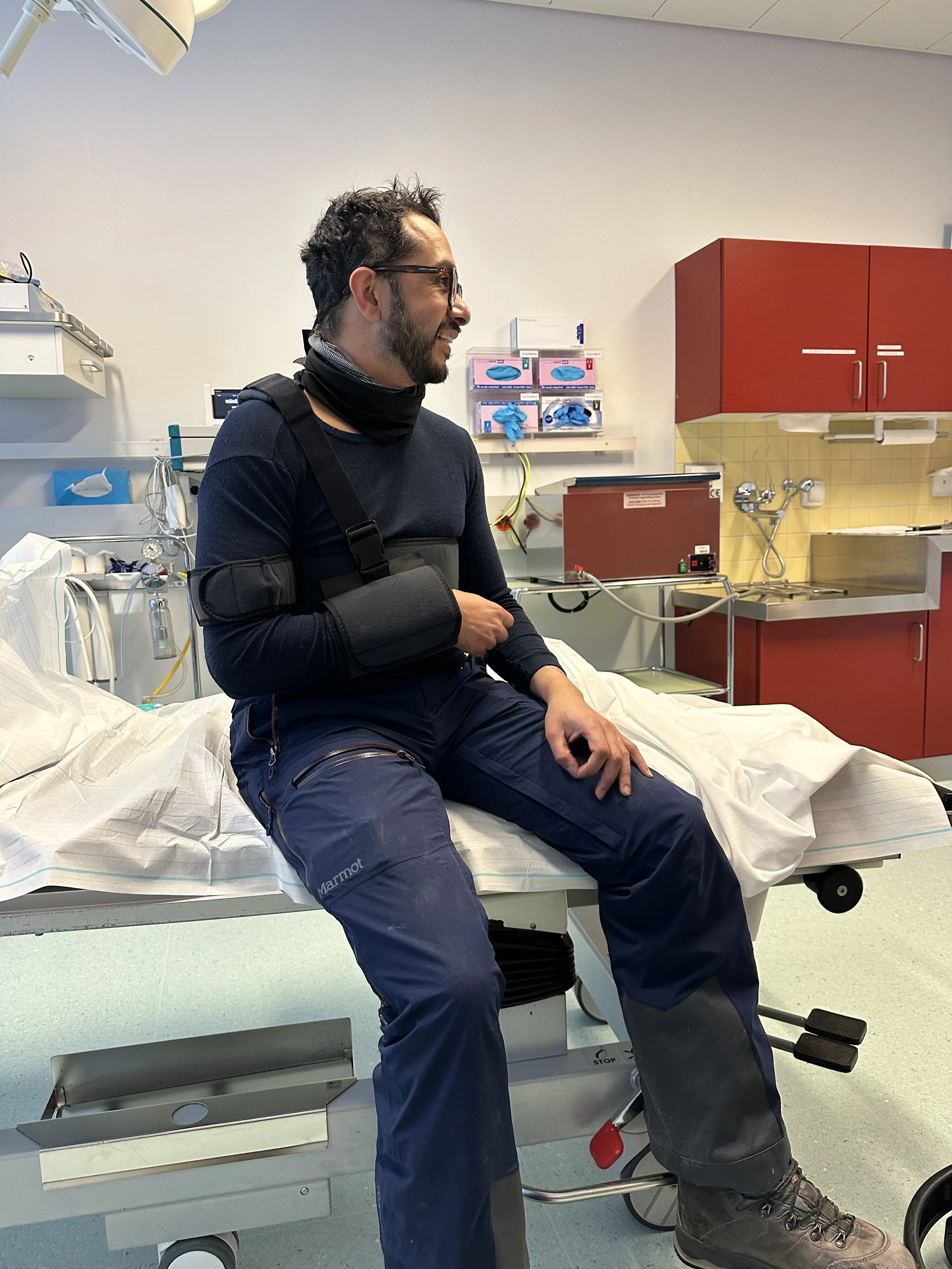
I'm sure Raunaq will have opinions about me calling this a "top" experience. Fair enough—it's not technically a favorite. But it was an experience that shaped the rest of our year, and it was certainly memorable. Because for a sweet, fleeting moment on that sunny Sunday morning, we both thought we'd found our new winter sport. We were skiers. And even if it didn't work out that way (and even if I now think skiing is a scam), it was really fun while it lasted.
2. Visiting the Morteratsch glacial caves
In February, I took a solo trip to see the glacial caves of Morteratsch in the Upper Engadin. These are massive ice chambers and tunnels carved by meltwater flowing beneath the glacier. The caves form differently each year—sometimes accessible, sometimes not—but this winter they were visible and deemed safe enough for careful exploration. When I read about them online, I knew I had to see them for myself.
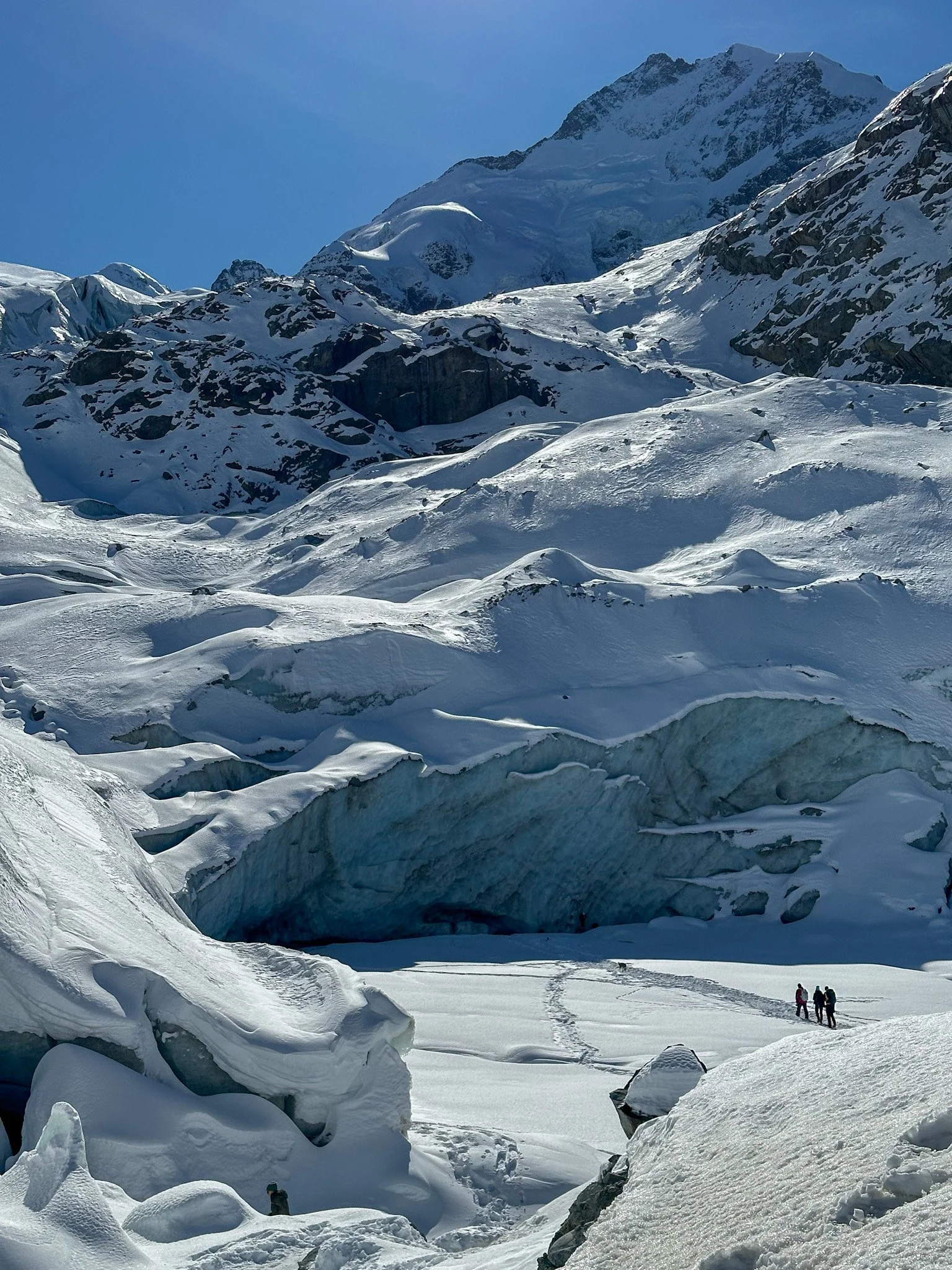
It was a long train journey (made even longer by a very uncharacteristic string of delayed trains), but I finally made it to Pontresina. From there, I followed the snowshoe trail along the frozen river and up the valley, the dramatic Bernina Range towering above. At the tongue of the Morteratsch Glacier, the trail ended. From here on out, everything was "explore at your own risk." Even with the handful of hikers milling around, the landscape felt remote and arctic. It was impossible not to feel like an explorer discovering some uncharted frozen realm. There were caves of various sizes scattered everywhere, and every single one was uniquely extraordinary. The biggest caves opened up into cathedral-like chambers of ancient ice, the light refracting through the frozen walls and casting everything in an ethereal blue.
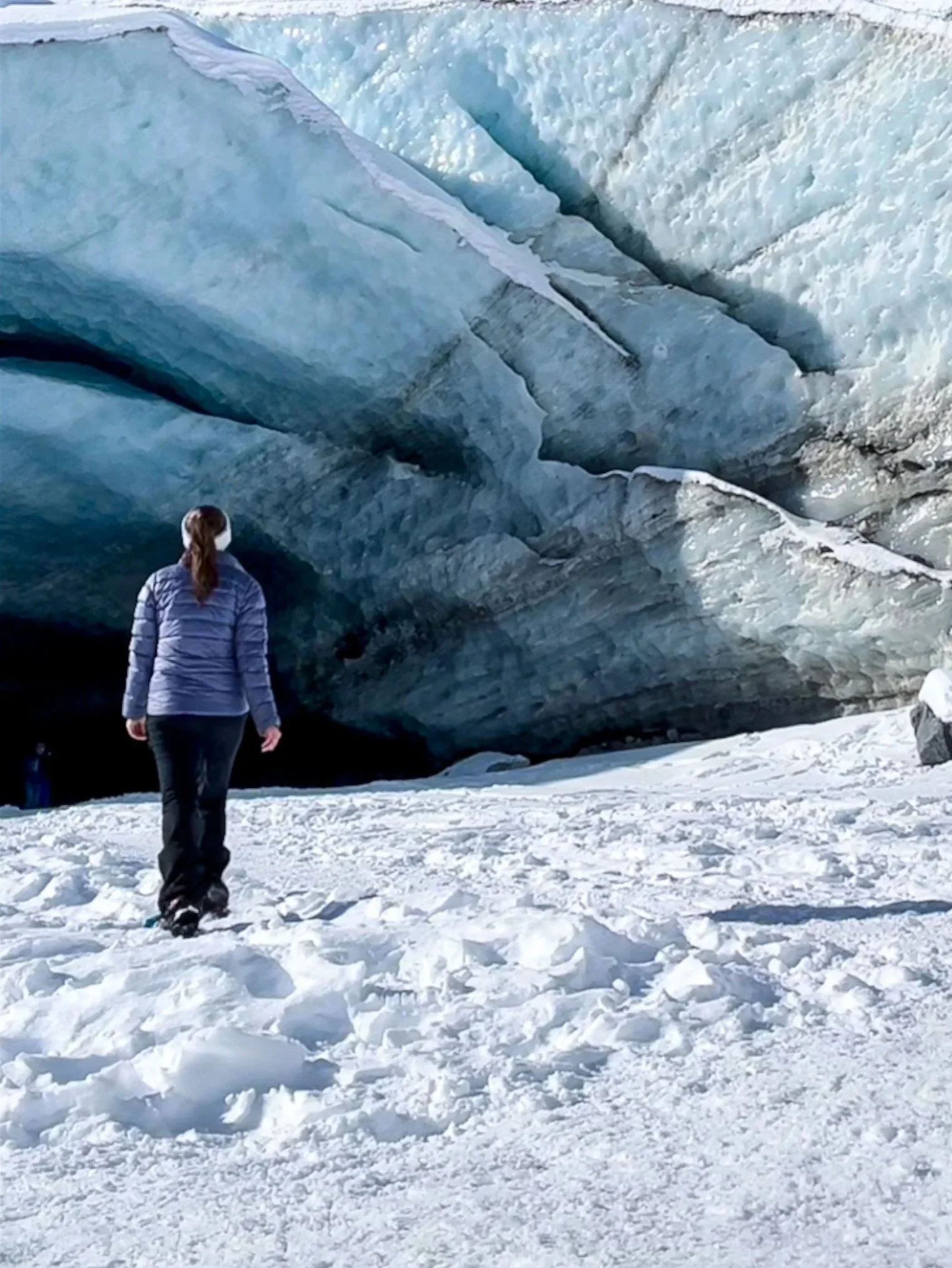
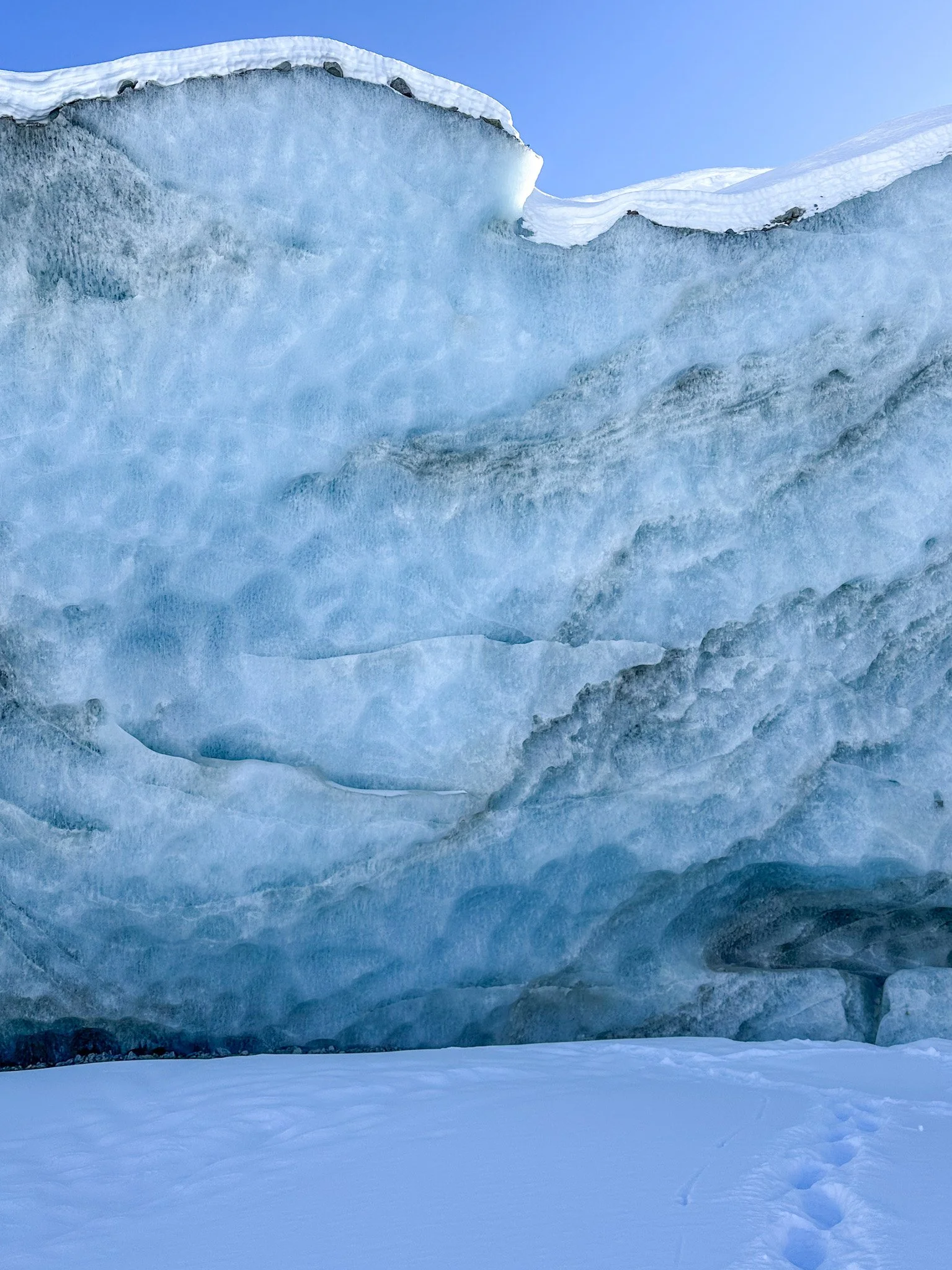
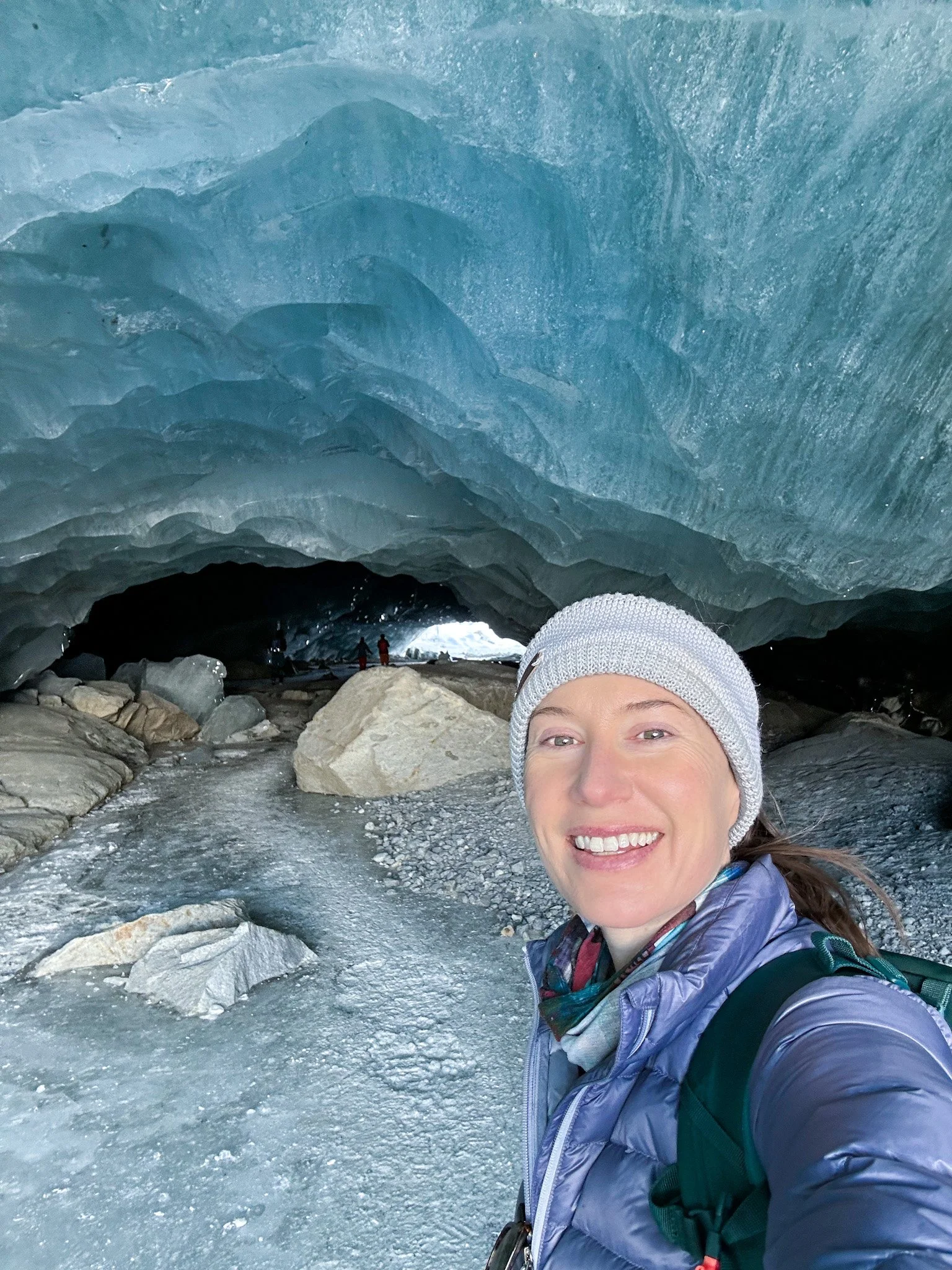
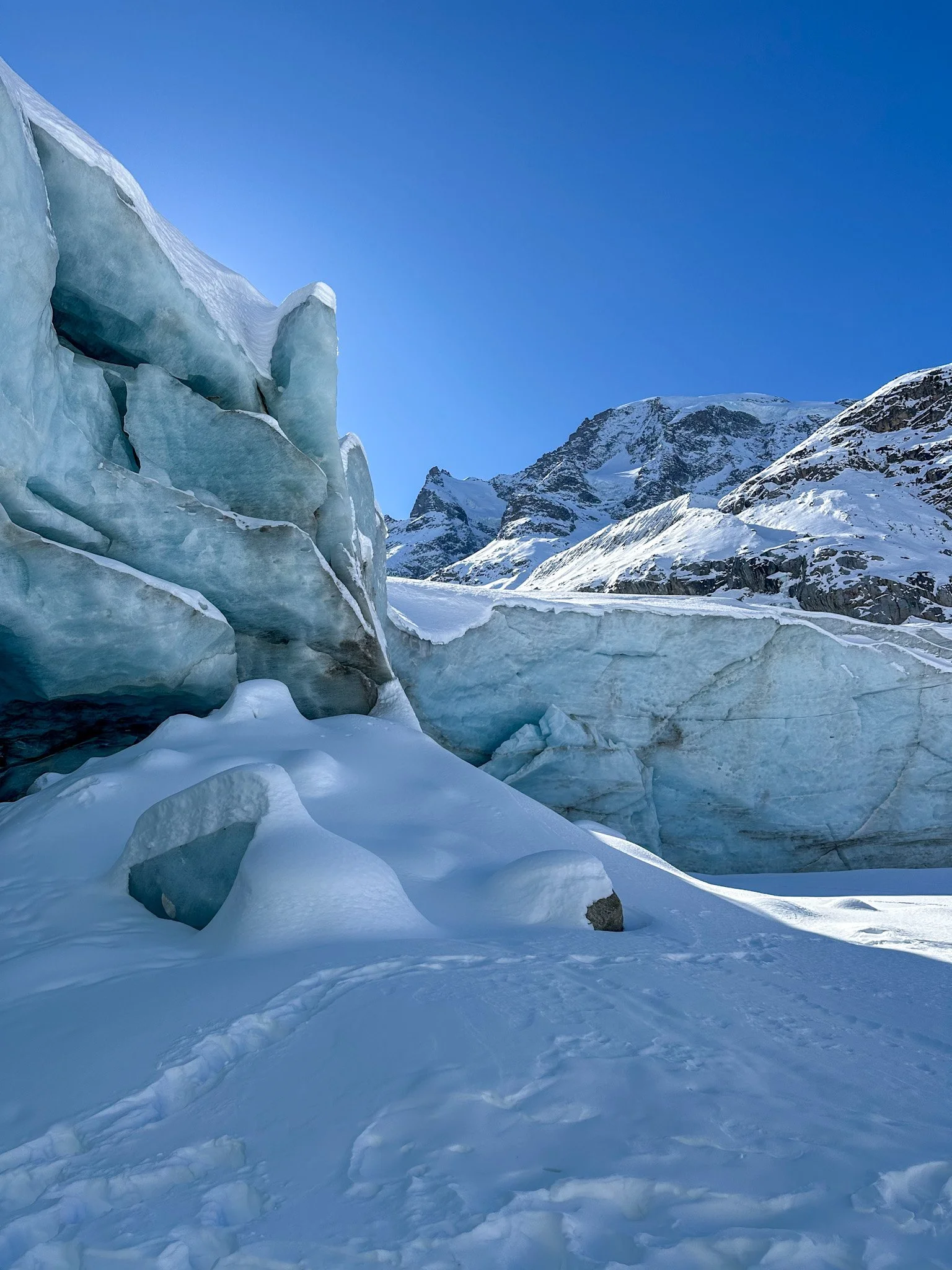
I was alone, so I stayed near the cave entrances rather than venturing deeper into the passages. But even there, I was astounded. You could actually hear the ice moving—creaking, shifting—and water flowing somewhere within the frozen walls. The whole experience felt like being inside a Sigur Rós song.
Standing there, I felt that complicated tangle of sadness and awe that glaciers evoke these days. I wish I could just feel pure wonder and amazement. But it’s impossible to stand in front of a glacier now without also feeling an ache, the quiet devastation of knowing they are disappearing. It's both moving and mournful. And at the risk of sounding over-sentimental, it felt like a privilege to witness at all.
3. My solo night at a hut
In April, I embarked on a solo overnight stay at an unguarded Swiss mountain hut: Capanna al Legn, perched high above Lake Maggiore in Ticino. Unlike staffed huts with meals and services, unguarded huts are unstaffed and thus require more self-sufficiency: bringing your own food, managing the space, and above all, accepting the real possibility of being entirely alone.
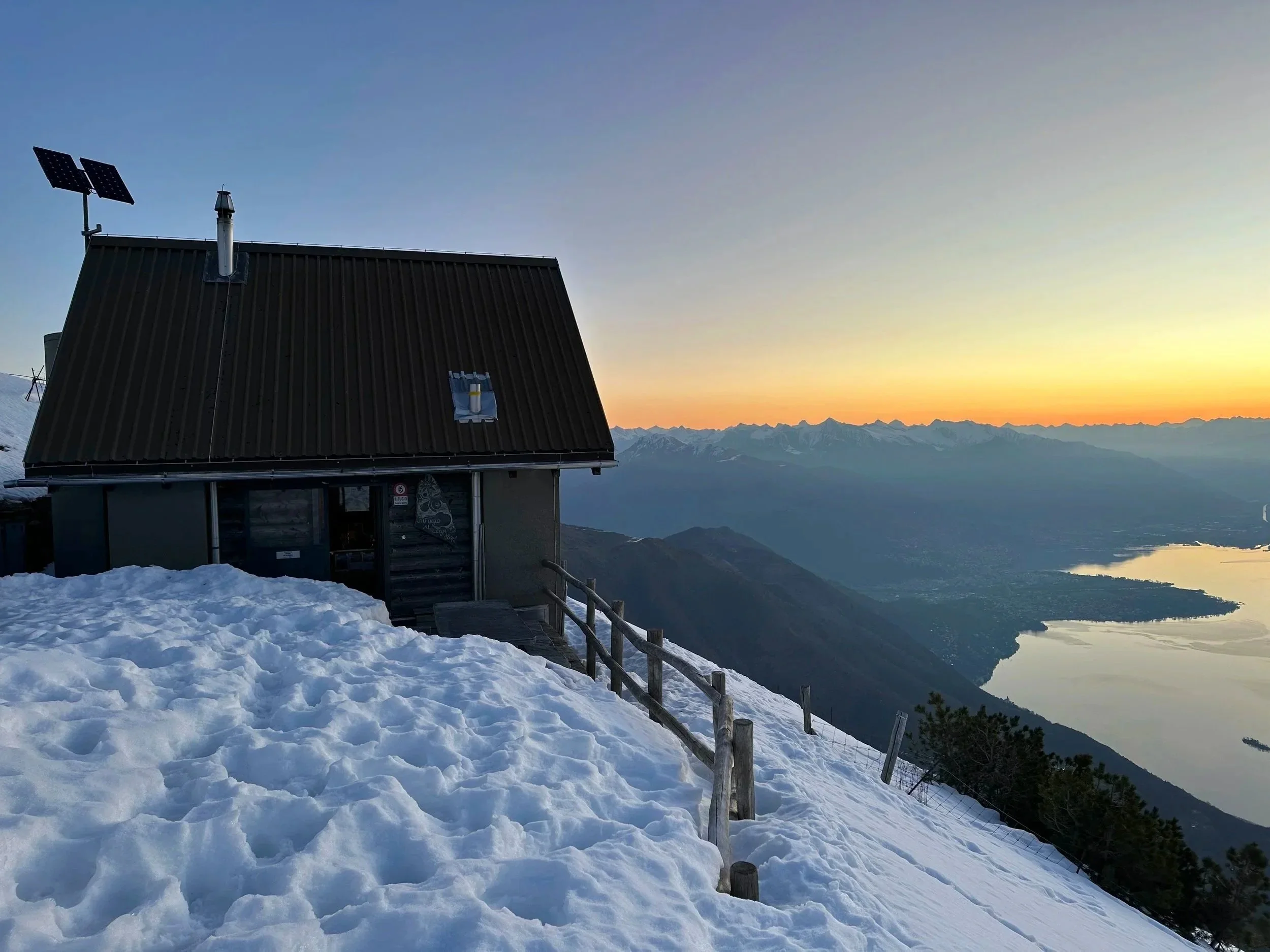
I'd been curious about the unguarded hut experience for years but kept putting it off, waiting for the right companion or the right moment. This year, though, I was in a phase of seeking out experiences that challenged (or more accurately, scared) me. So one day, I decided: now's the time. It was partially impatience, but mostly genuine eagerness to try something new. I picked the hut, planned the route, packed my bag, and headed down to Ticino.
The hike up was steep and tough, with about 1,600 meters of elevation gain. Nothing I couldn't manage, but because it was early April (decidedly not hiking season), not only was the final stretch in the snow…the hut was partially buried in it. The hut itself was unlocked—thankfully—but inside it was freezing, there was no running water, and the bathroom was completely blocked by snow. Which made things a bit more interesting.
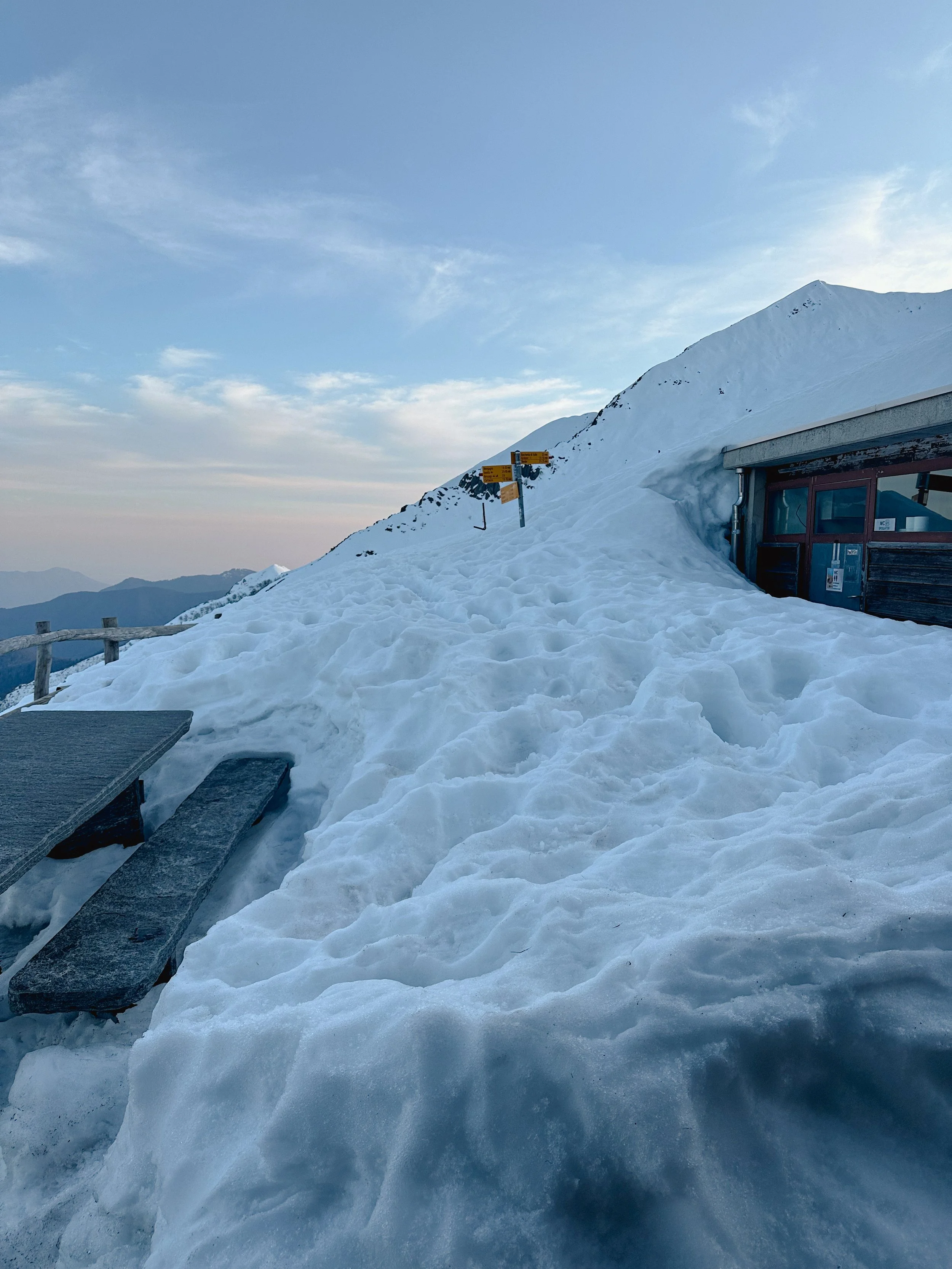
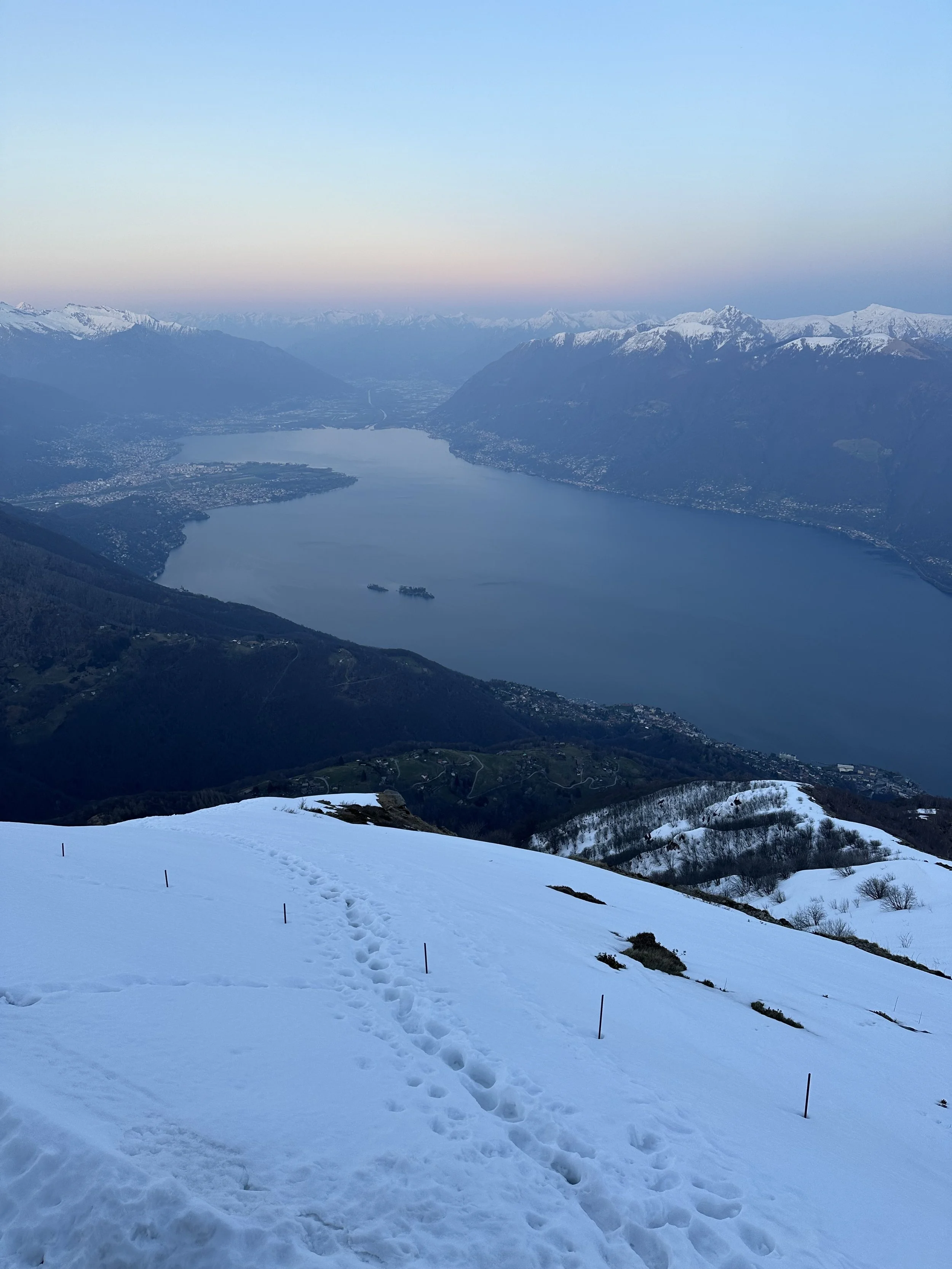
I arrived around 3pm with plenty of daylight left, but there wasn't much to do. The snow made any side hikes impossible, so I sat at the stone table outside (warmer than inside the freezing hut) and halfheartedly read my book. And then I thought: should I leave?
I was pretty certain no one else was coming, and I still had time to make it back down the mountain before nightfall. It wasn't that I felt something was wrong. No, I knew in my gut I was fine. I just felt uncomfortable. I knew that the snow meant the night would be harder than I'd anticipated: colder, more isolated, more challenging. And if I'm being honest, I was a little scared to be completely alone.
I wanted to call someone and ask: what should I do? But 1.) I didn't have cell service, and 2.) That's the reality of going solo—there's no one else to make the decision for you. You just have to trust yourself. And I knew that feeling uncomfortable, but not unsafe, was exactly why I needed to stay. Not because I love the discomfort (and let’s be clear, I don’t!), but because I need to prove to myself that I can sit with it.
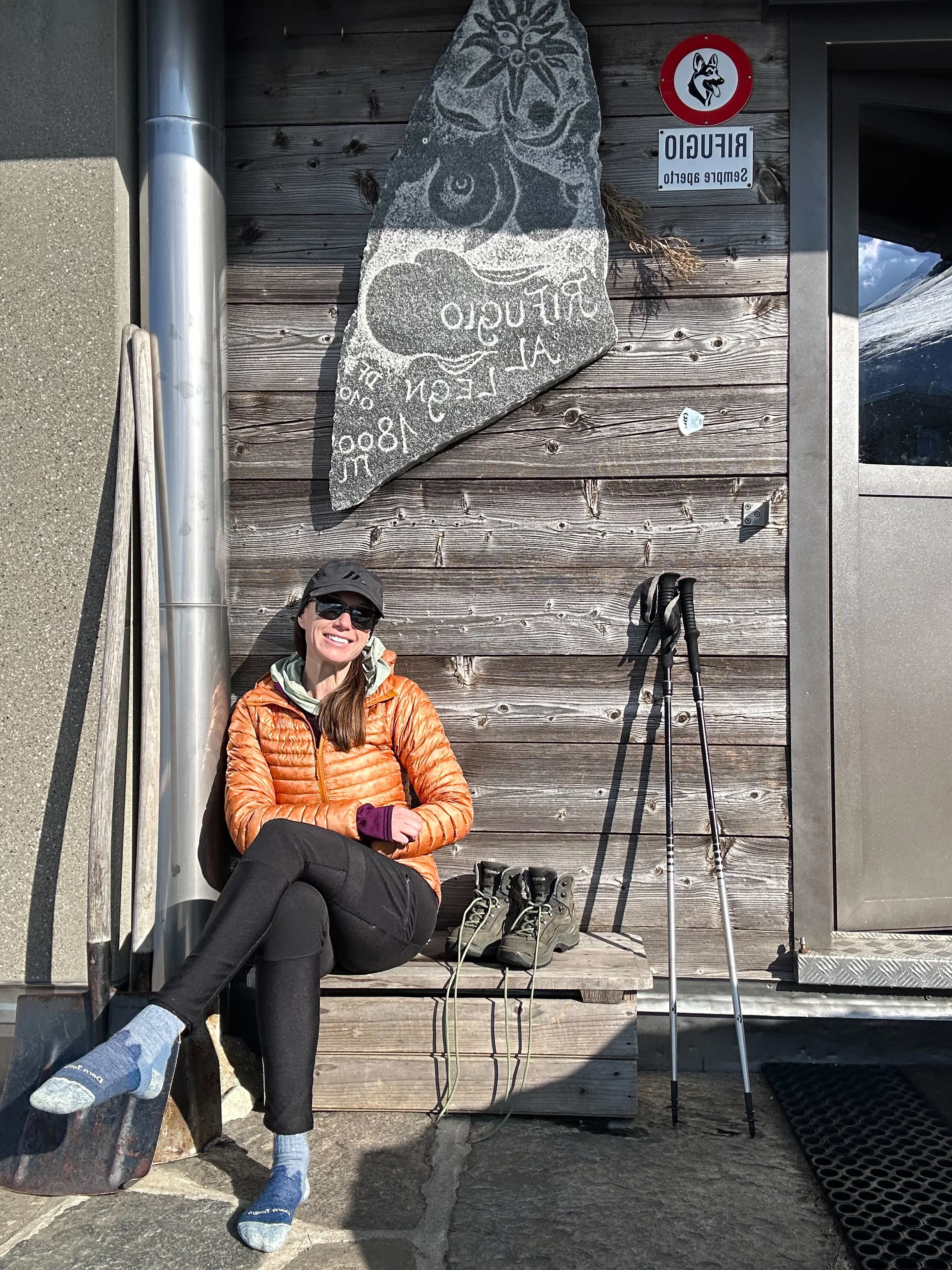
So, I stayed. The sun went down, and the lights of Locarno twinkled far below. I cooked pesto pasta for one, wrapped in every layer I'd brought, and played a few podcasts so the silence wouldn’t feel overwhelming. I went to sleep hoping that no one would randomly show up in the middle of the night and freak me out. And in the morning, when I woke up to the most glorious sunrise, I was so happy that I stayed. I felt proud. And honestly, a bit brave, too.
4. The summer of alpine lakes
For the past few years, every summer has had a theme: the summer of the badi, the summer of hut life, the “Swiss-only” summer, and so on. Summer 2025 was the summer of alpine lakes.* Or, more specifically, alpine lake swims. I couldn’t get enough. Many of my summer hikes ended up, intentionally or not, passing by a lake, and without fail, I jumped in every single one. Even though I’ve stopped my practice of winter swimming and cold plunging, I still maintain that an icy alpine swim after a long sweaty hike is one of life’s most simple pleasures.
*For the purposes of this list, "alpine lake" includes rivers and waterfalls too.
Because I'm writing this during award season, let's give out some superlative awards:
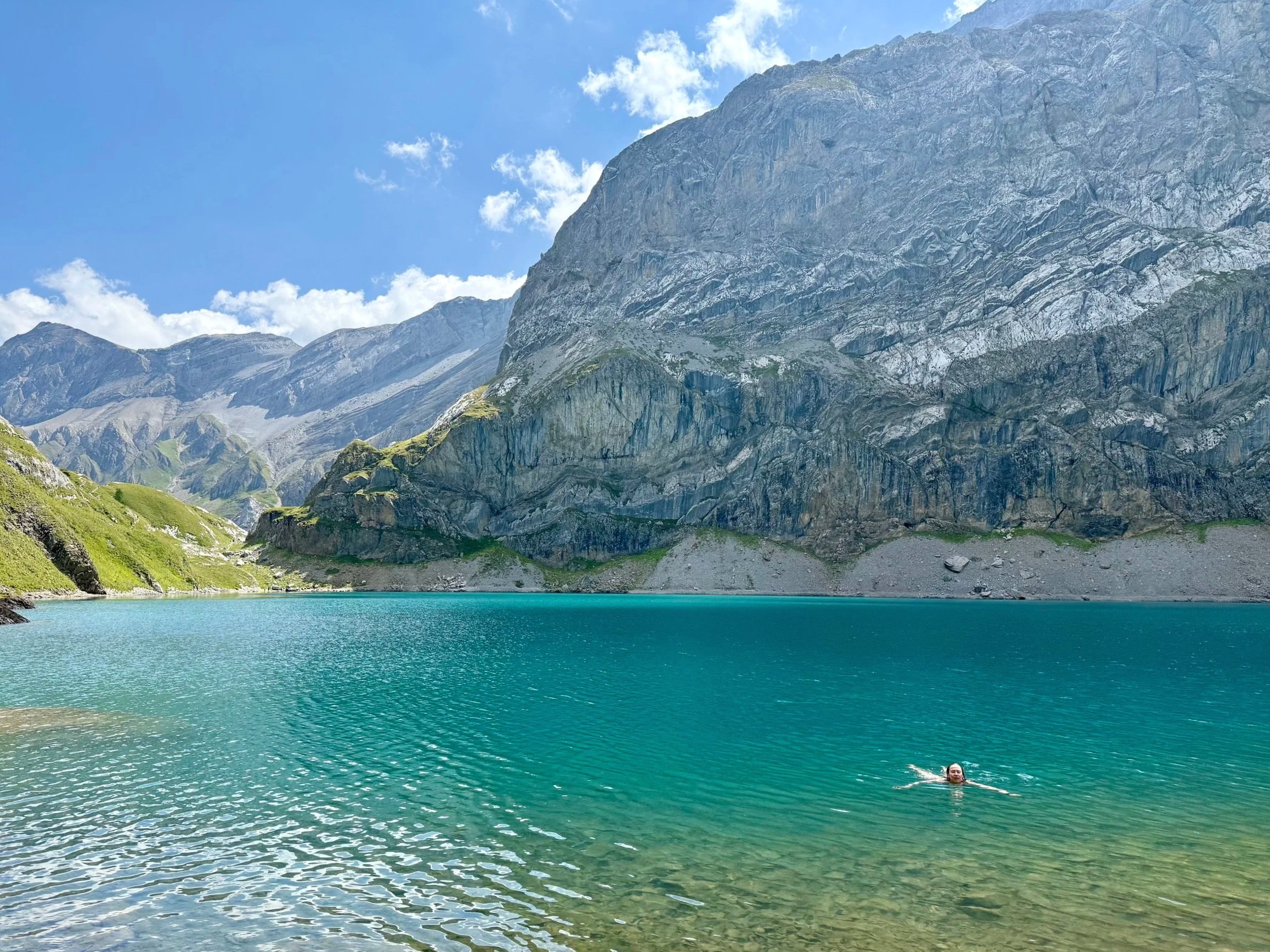
Prettiest water: The turquoise Iffigsee (a color so blue it gives Oeschinensee a run for its money).
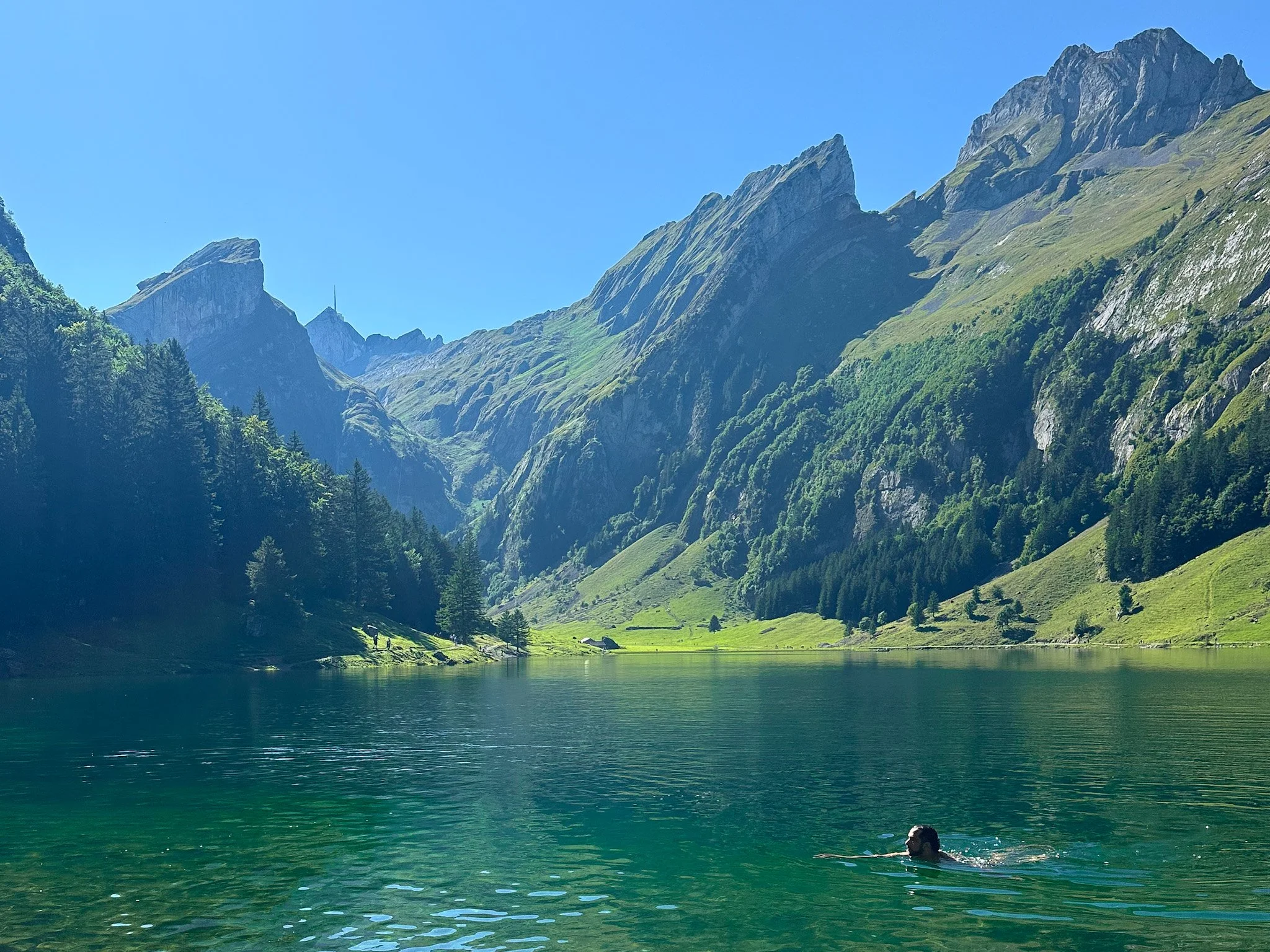
Most iconic location: Seealpsee in Appenzell (truly picture-perfect).
Most worthwhile repeat: Verzasca River (runner-up: Walensee, my old faithful).
Coldest swim: Lai da Tuma, otherwise known as the source of the Rhine River (yes, I swam at the birthplace of the Rhine).
Most generous interpretation of "alpine lake": An outdoor bathtub at a mountain hut (but it was filled with glacial water!).
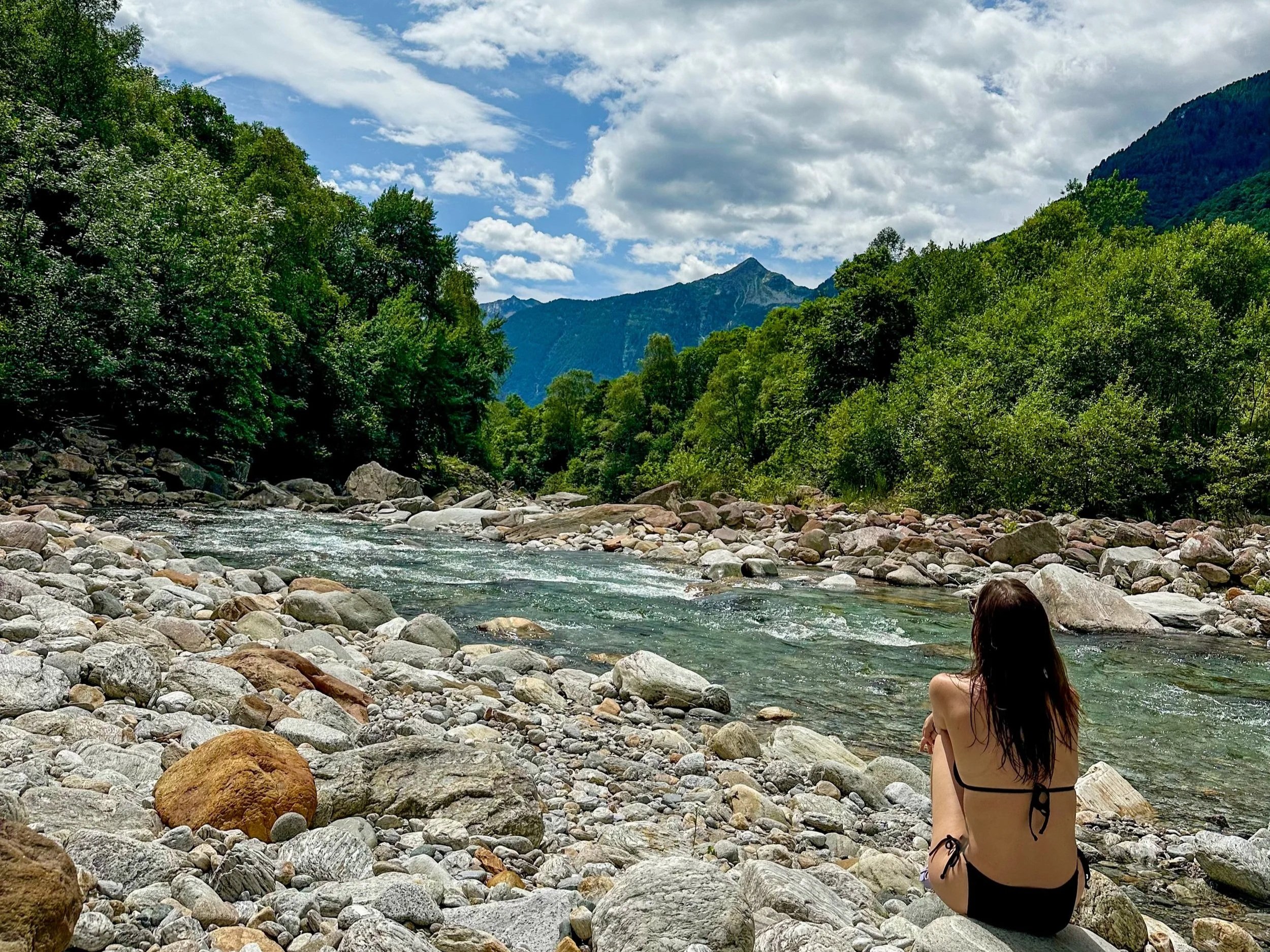
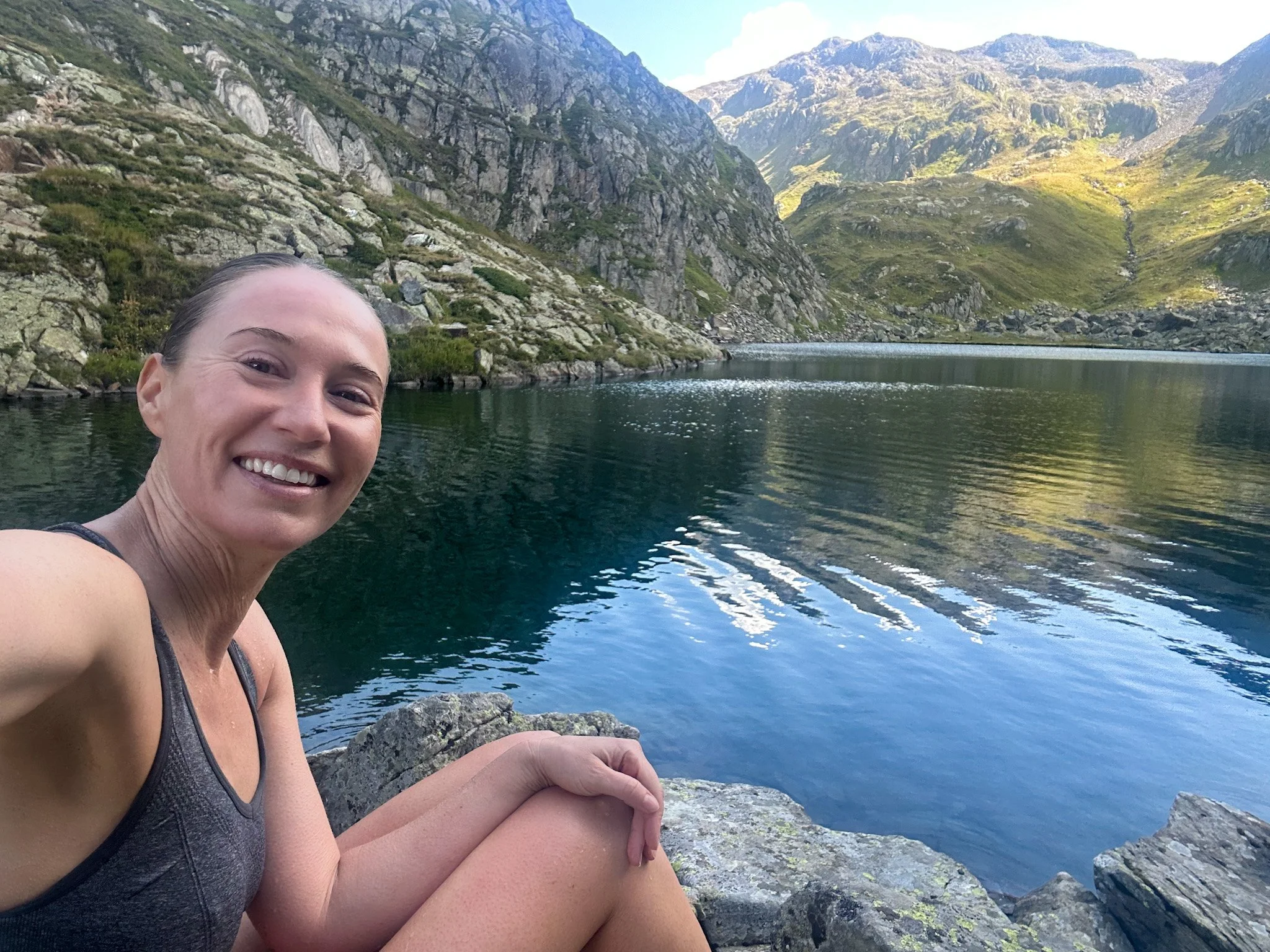
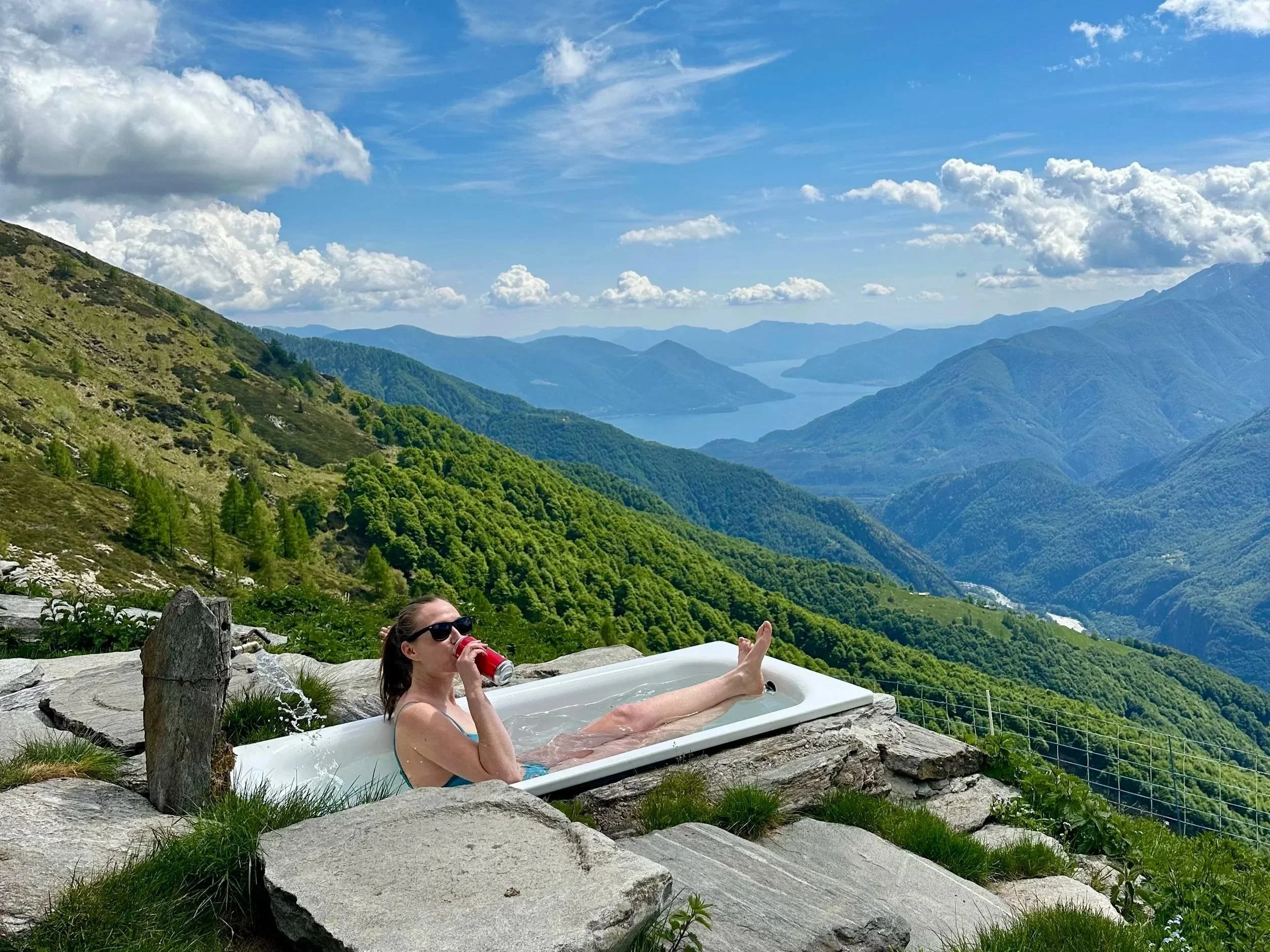
It was a summer of great swims!
5. My parents visit
The best part of this year was that my parents visited. It was their second time to Switzerland. The first was way back in spring 2019, and it was a one-week whirlwind of daytrips to every “hotspot” I knew at the time: Lucerne, Jungfrau region, Bern, the Rhine Falls, Lugano. The Swiss greatest hits.
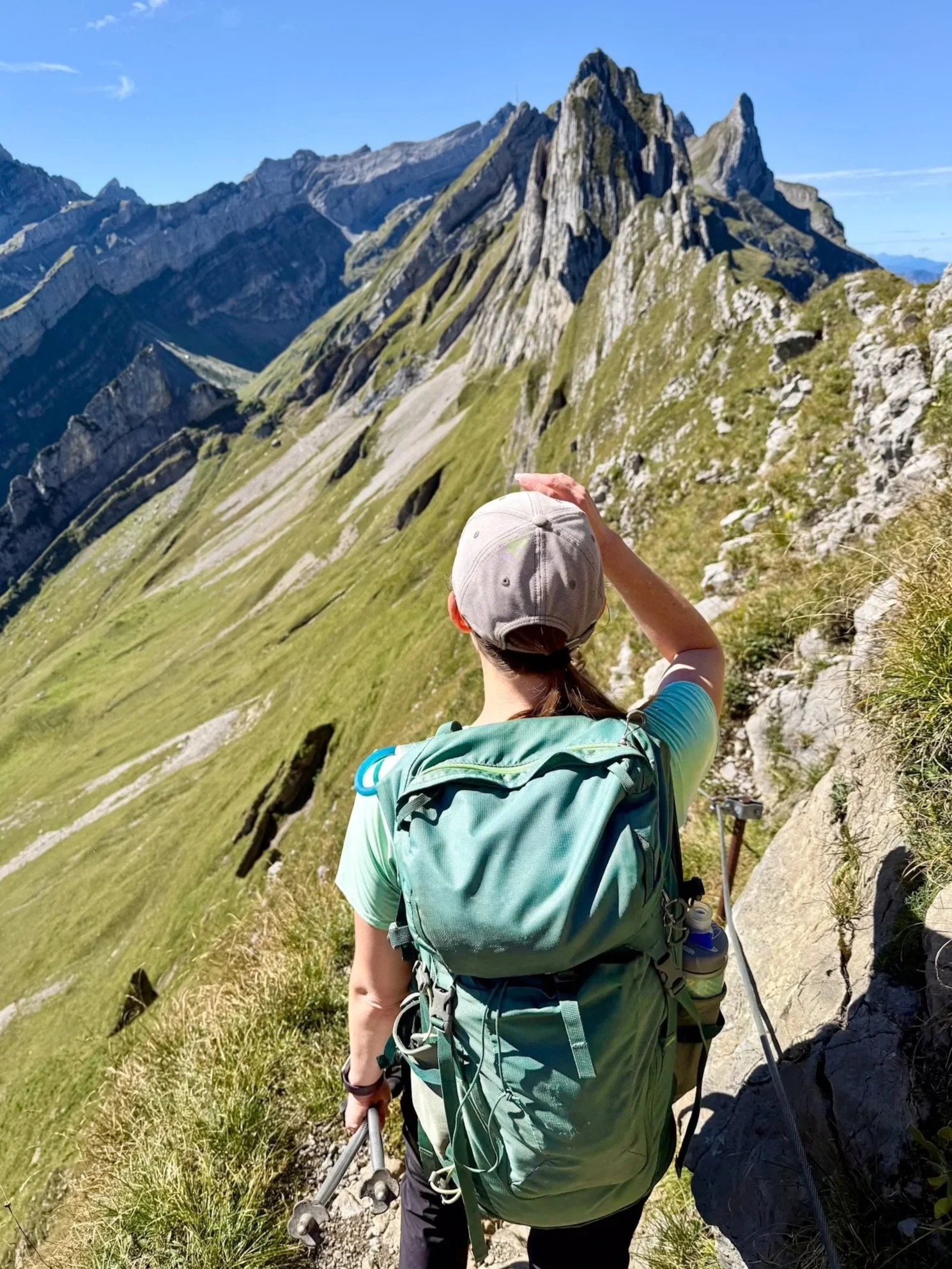
For this trip, we still packed in plenty: two days of hiking, once around the Walensee and the other up to the Aescher Hut in Appenzell, a ferry trip to Rapperswil, eating chocolate until we felt positively sick at the Lindt factory. We took a road trip to Colmar and Bavaria, did a wine tasting in Alsace, saw Neuschwanstein castle. We ate every single meal outside. Perhaps most culturally significant, I introduced my mother to the Aperol spritz. And I have to give them both credit for enduring the heatwave that hit Europe in June. For their entire two-week trip, the temperature didn't dip below 30°C. There was no AC. It was brutal. They smiled (and sweat) through it anyway.
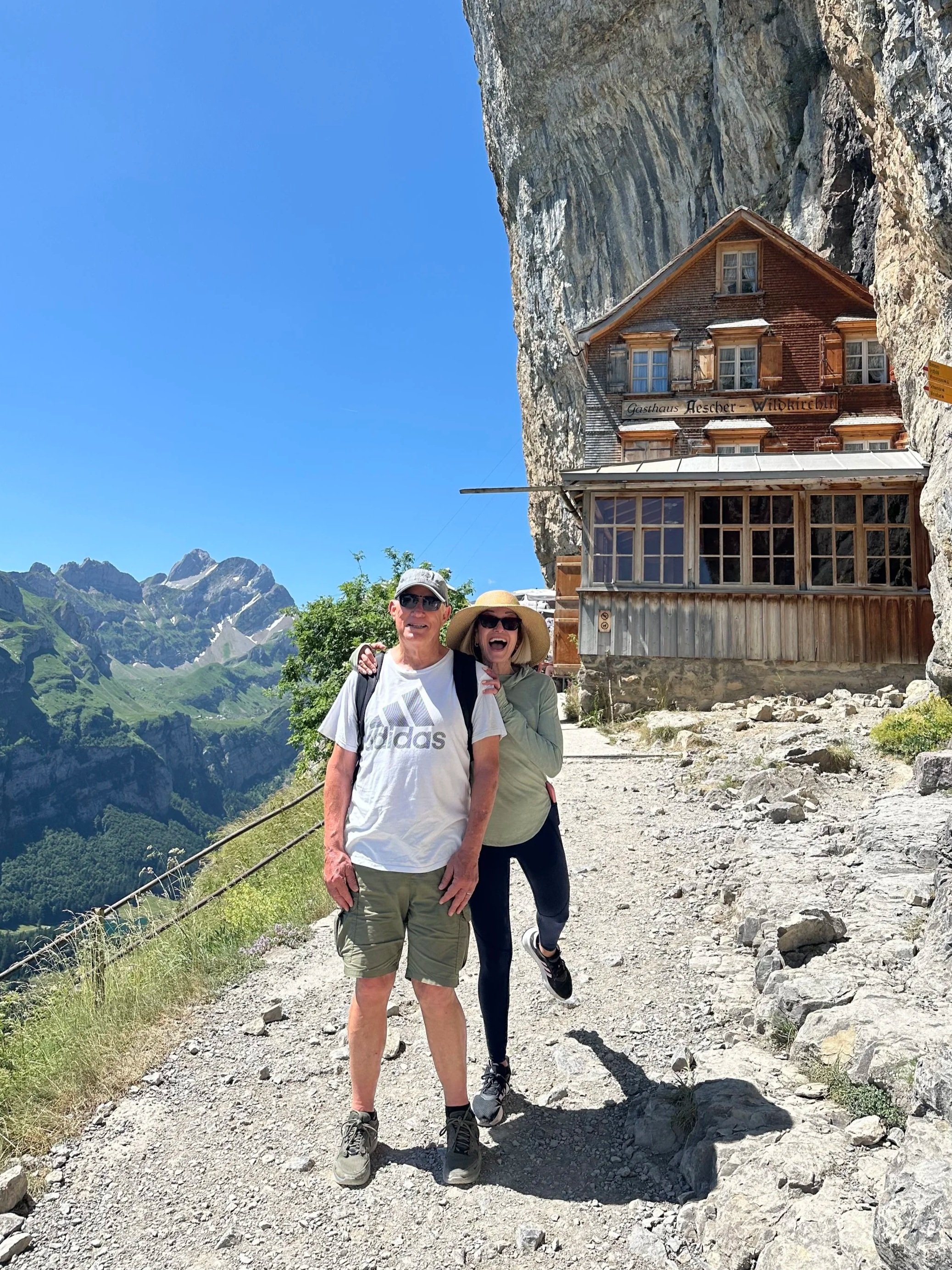
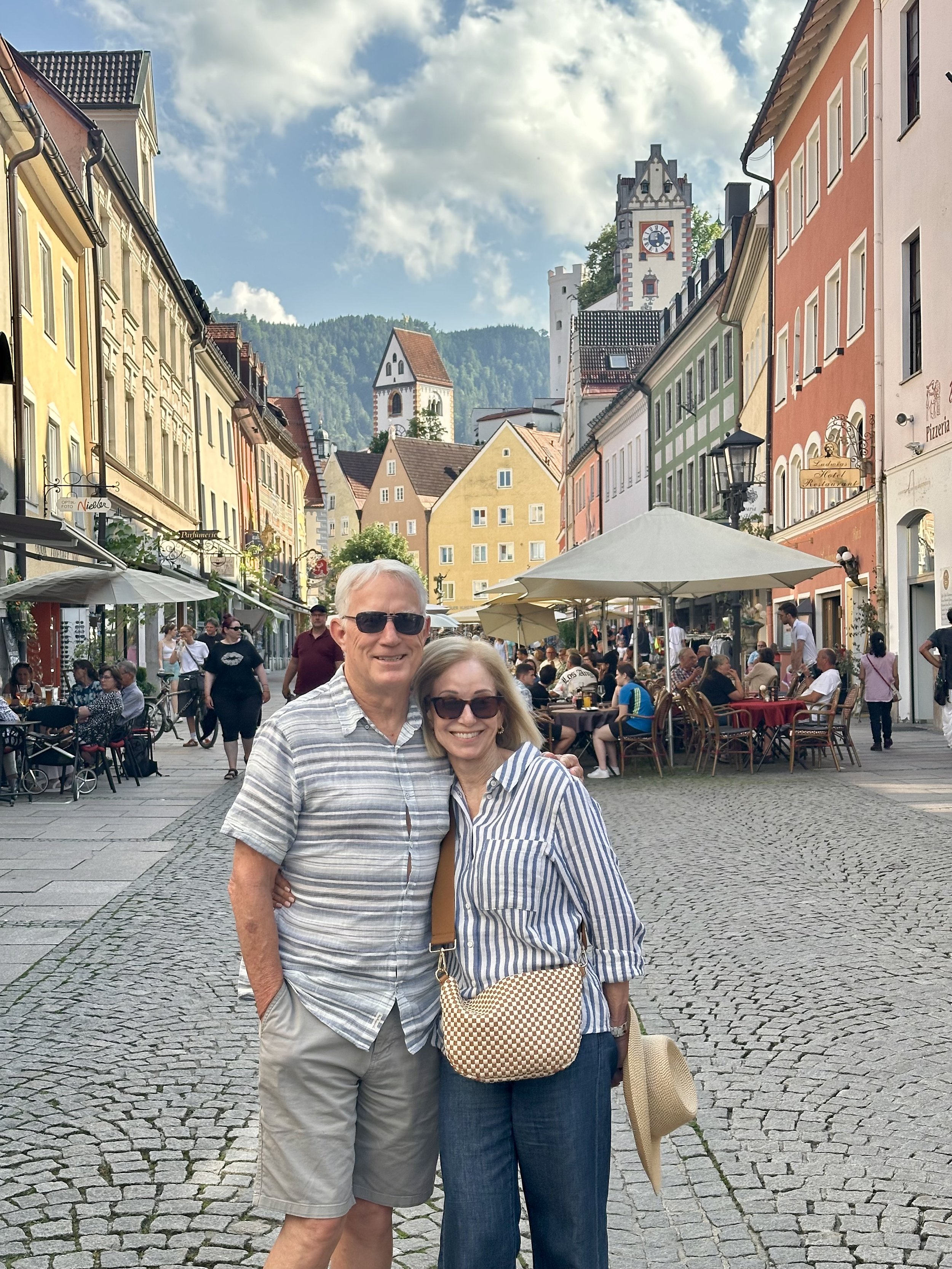
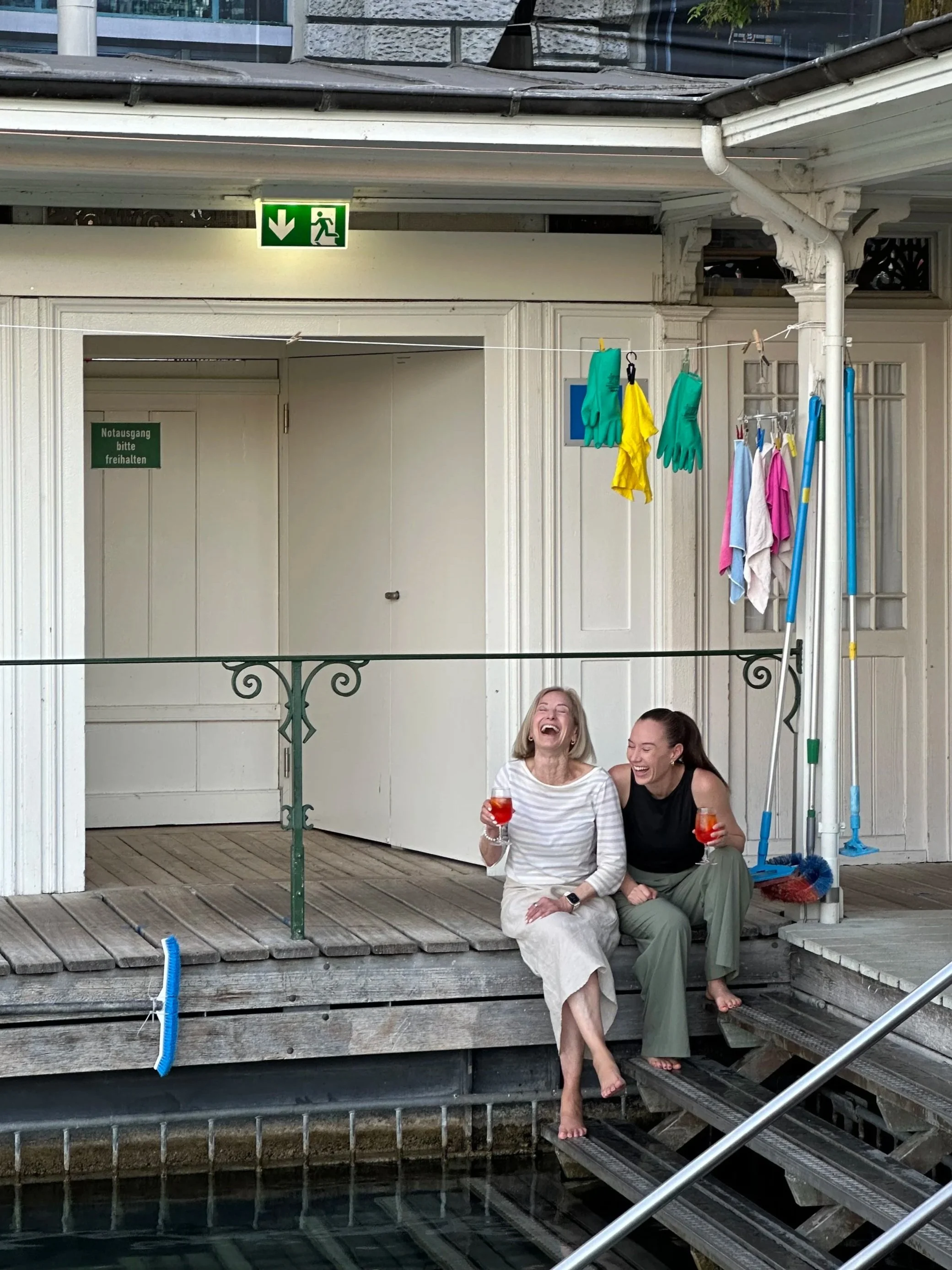
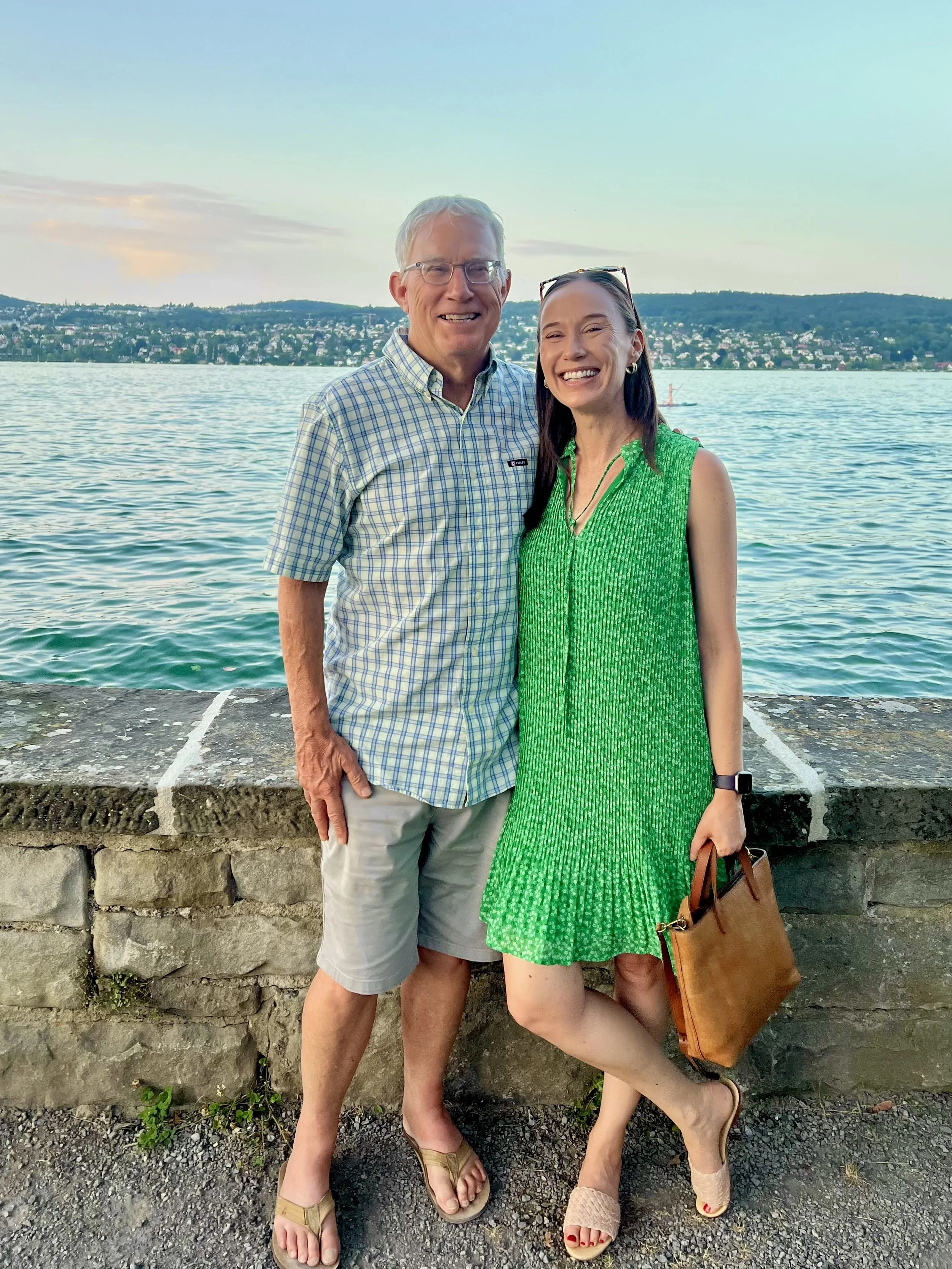
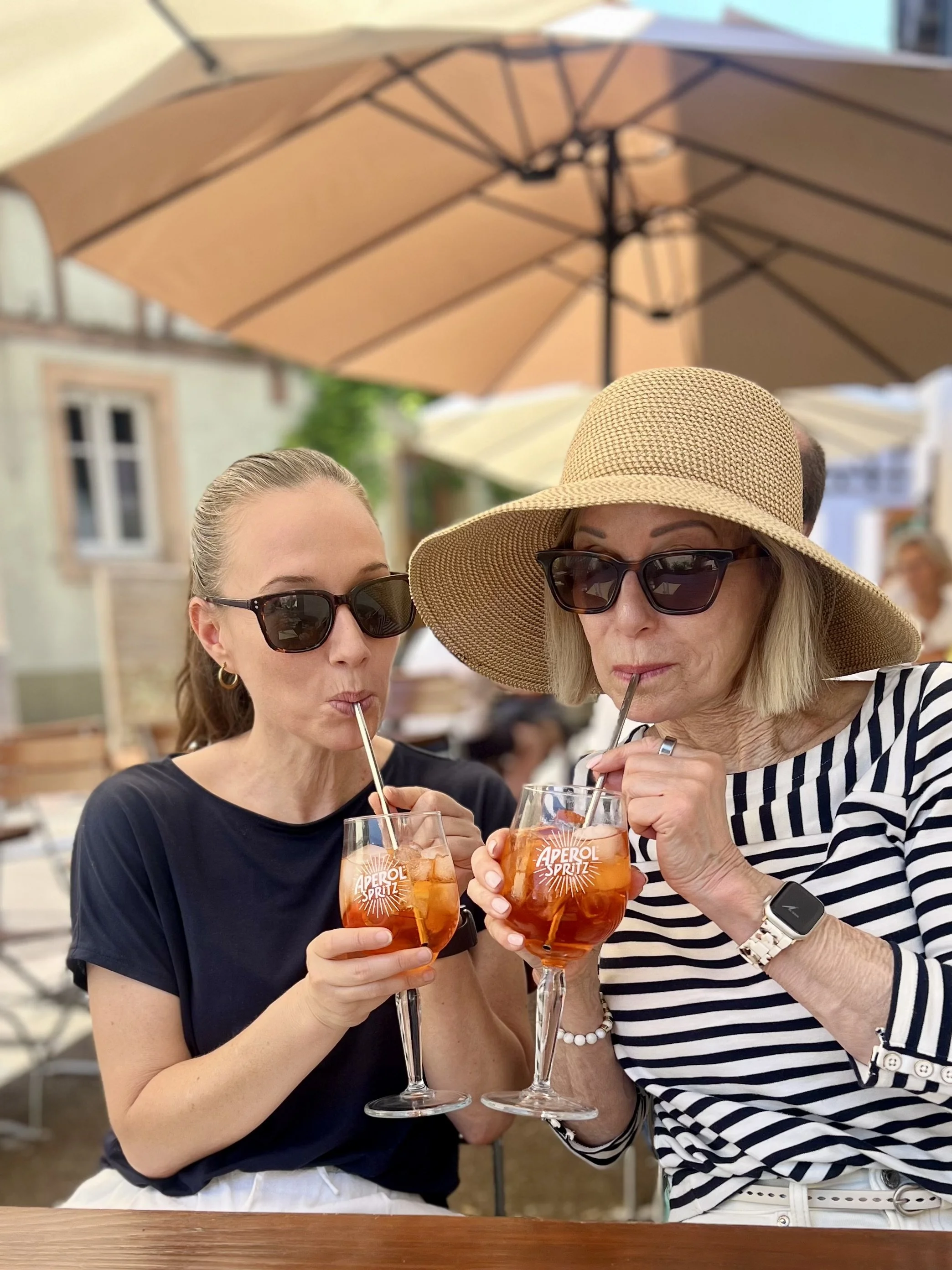
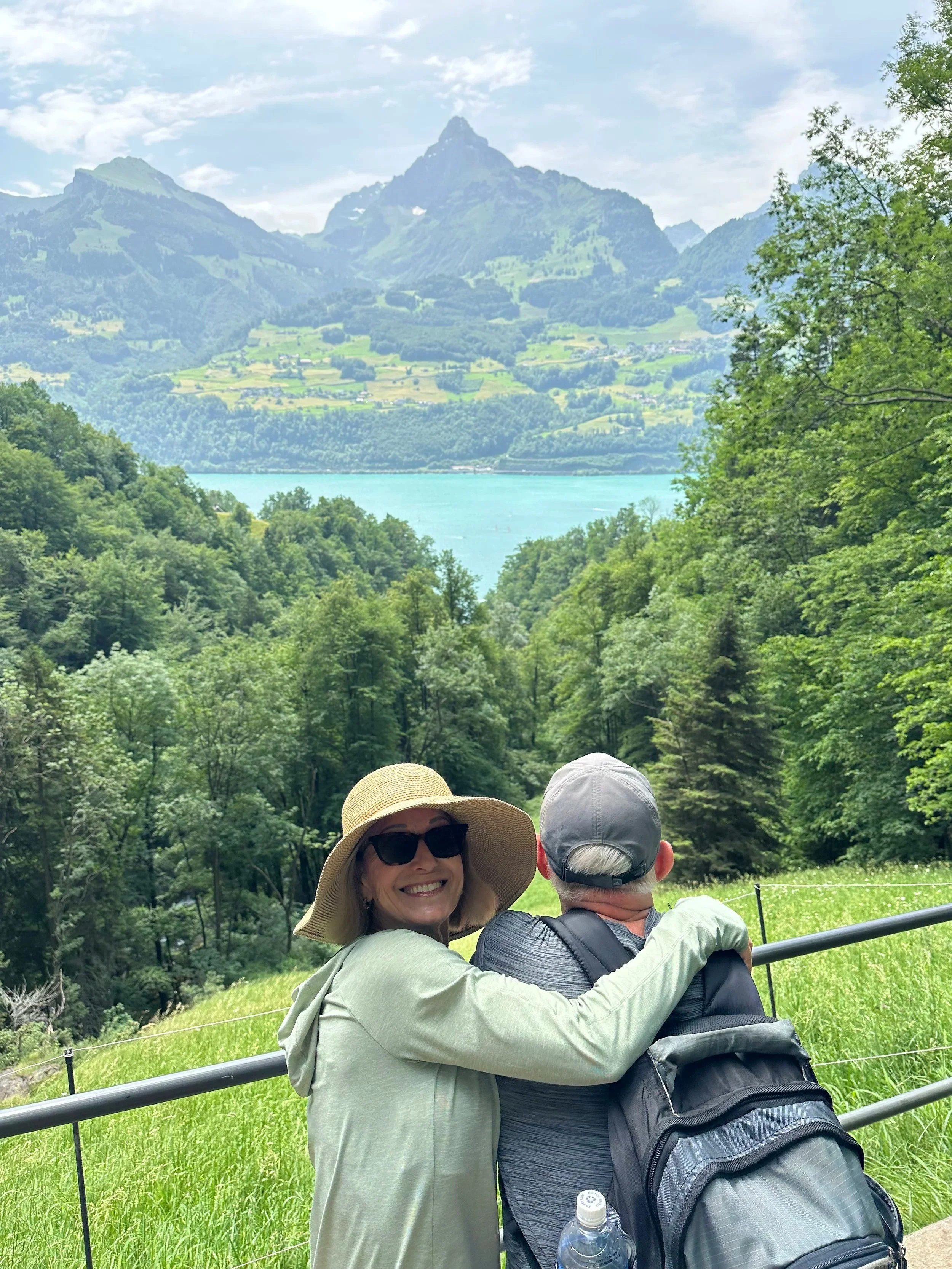
But besides the sightseeing, I just wanted my parents to experience my life here. I see them once or twice a year when I go back to California, but their trips to Switzerland are rare. So it was special for them to see our new apartment’s view in person rather than through FaceTime. To do one of the hikes I'm always talking about. To experience a badi. To walk to my neighborhood bakery, to shop at my neighborhood Coop. To step, if only briefly, into the small bits of my life.
We also spent many evenings at home—drinking wine, grilling on the balcony, ordering pizza when we got home too exhausted to cook. We'd sit on the terrace for hours, talking and laughing (loudly 😳) until late. Luckily, the apartment below us was empty at the time, or else I'm almost certain we would have gotten kicked out. My parents told me stories I'd never heard before: their early years together, trips they took with my aunts and uncles, what they were like when they were my age. Those evenings, the in-between moments, were the ones I’ll remember most.
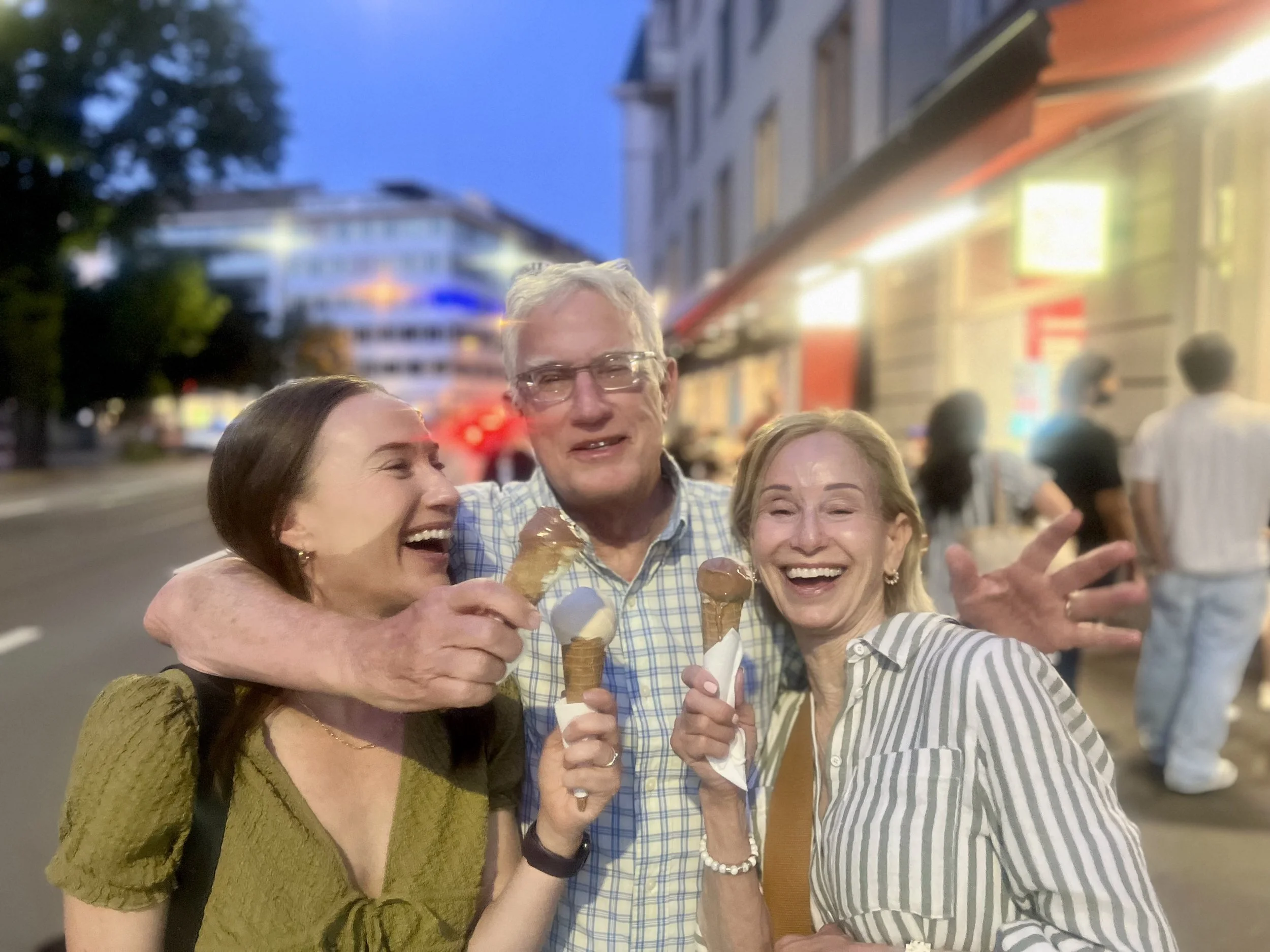
I cried a lot the day they left. There's always a particular sadness when someone leaves after a visit—that sudden emptiness when the apartment is clean and quiet and yours again. But this felt different. And I think it's because visits like these carry so much weight. They have to. There's no saying goodnight and "see you next Sunday." Every moment feels like it has to count, and that can be emotionally exhausting. I understand that it's quality over quantity. I know the time we spend together is richer and more intentional because it's limited. But if I'm being honest, sometimes I just want it to be lighter. To be ordinary. To be able to see them next week, not next year. Sometimes I want the ease of quantity, not the deepness of quality.
Living abroad means a visit can be both the best part of the year and one of the hardest. After eight years, I still struggle with holding both of these feelings at once.
Oh dear, here I am, getting oversentimental again.
But that's not a surprise, right? By now you probably know this about me. I romanticize everything, I cry a lot, I feel all the things all the time. And I love trying to capture that in writing - wading through the messy parts, drilling down an experience to its emotional core, giving a moment its meaningful worth. It’s too much sometimes, I know, but sometimes…sometimes I get it right.
All of that is to say: my parents read this blog and are my biggest fans, so Mom and Dad, I loved every minute of those two weeks with you.
And to everyone else reading: If you can, give your parents a hug or a call today.
6. A weekend in Valle Verzasca
Even though June was one of the hottest on record, July was not. It was stormy and rainy for most of the month—which is actually more typical for a Swiss summer. On the last weekend of July, we took a spontaneous trip to Ticino to escape the gloom. It was still a bit rainy there, but markedly warmer than the rest of the country, as Ticino usually is.
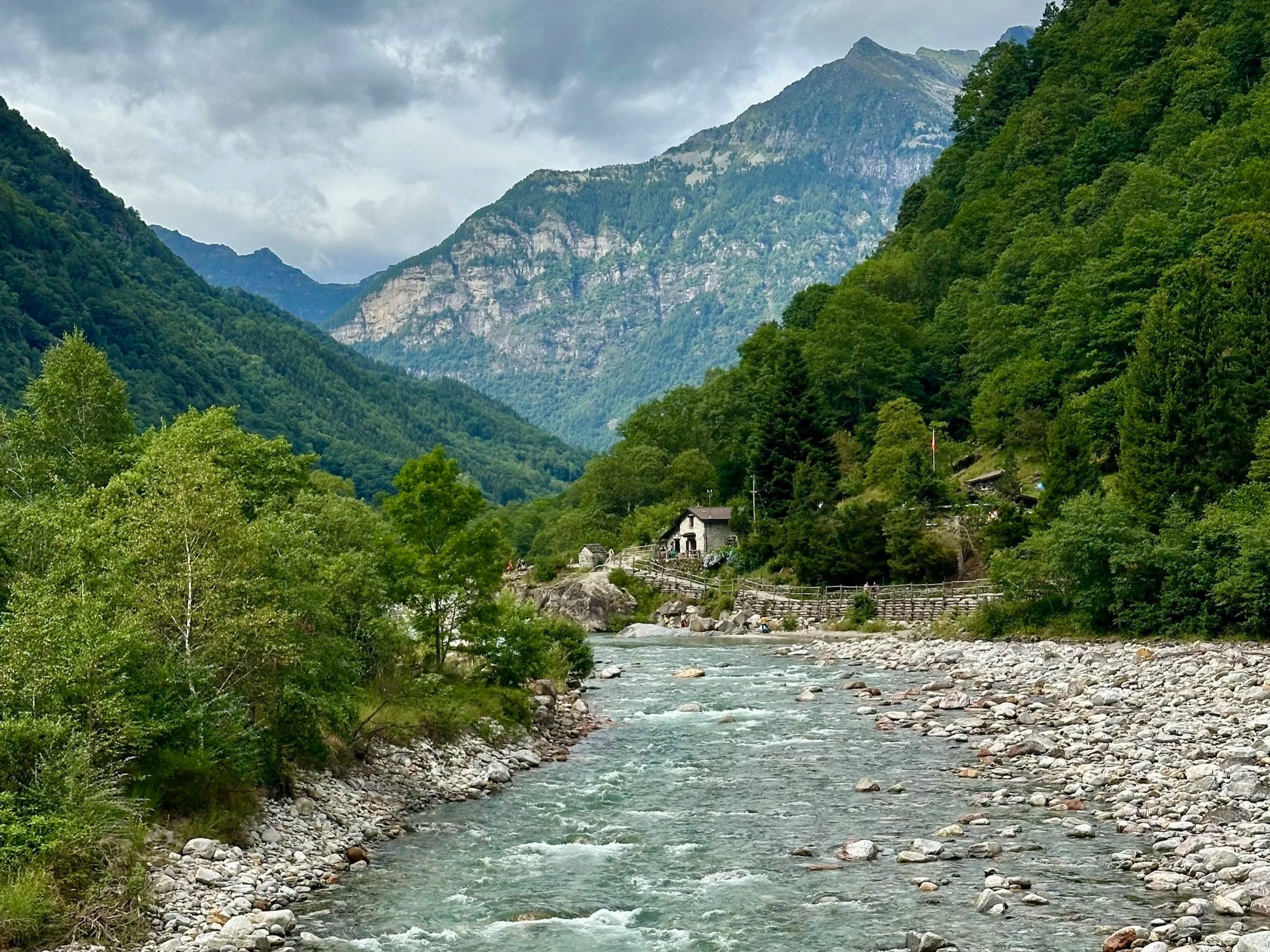
The most spectacular part of Ticino, in my opinion, is all of its lush, remote valleys. They can be hard to access for a day trip but make for perfect weekend getaways. We based ourselves in a village at the very back of Valle Verzasca. Valle Verzasca is easily the most touristic of all the Ticinese valleys, but most tourists only get as far as Lavertezzo, huddling around the famous stone bridge that arches over the turquoise Verzasca River. The second you pass Lavertezzo village, the crowds immediately disappear. It's like magic.
Our weekend base was the village of Frasco, mainly because it was the only place where we could find last-minute accommodation. We stayed at Familienhotel Campagna, run by possibly the most hardworking man in all of Ticino. He single-handedly managed the front desk, was our waiter in the restaurant in the evening, and prepared breakfast the next morning. Honestly, I wouldn’t have been surprised to see him in the driver's seat of the local bus. He also seemed to moonlight as a comedian, based on all his jokes.
I wanted to take advantage of our remote location and explore some of the less-visited side valleys branching off from Verzasca. On Saturday, we did a long hike from Brione village into Val Osola. It was drizzling on and off, but to me, these valleys look even more gorgeous and dramatic in the rain, with everything lush and green and moody. It’s like something out of Fern Gully.
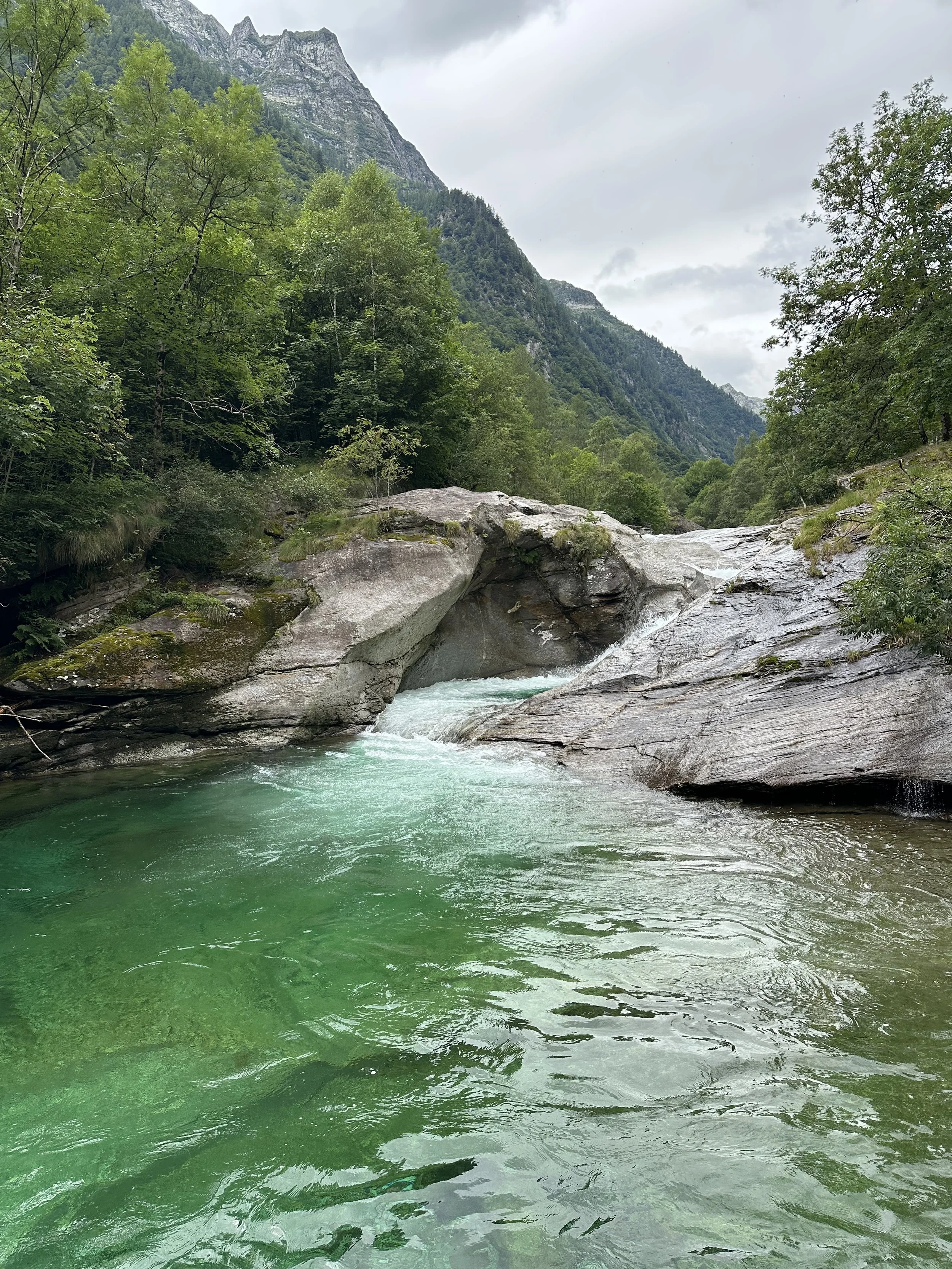
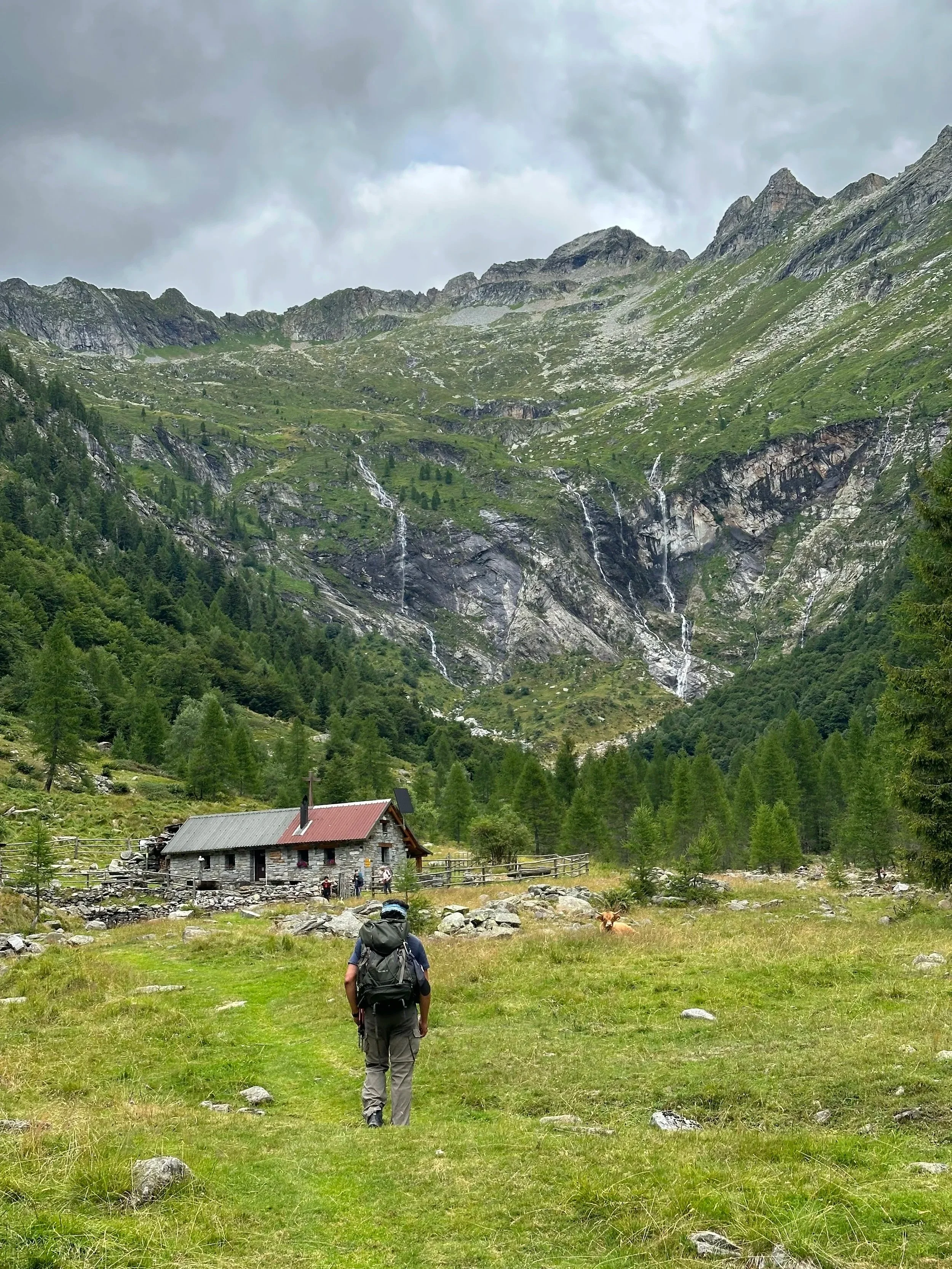
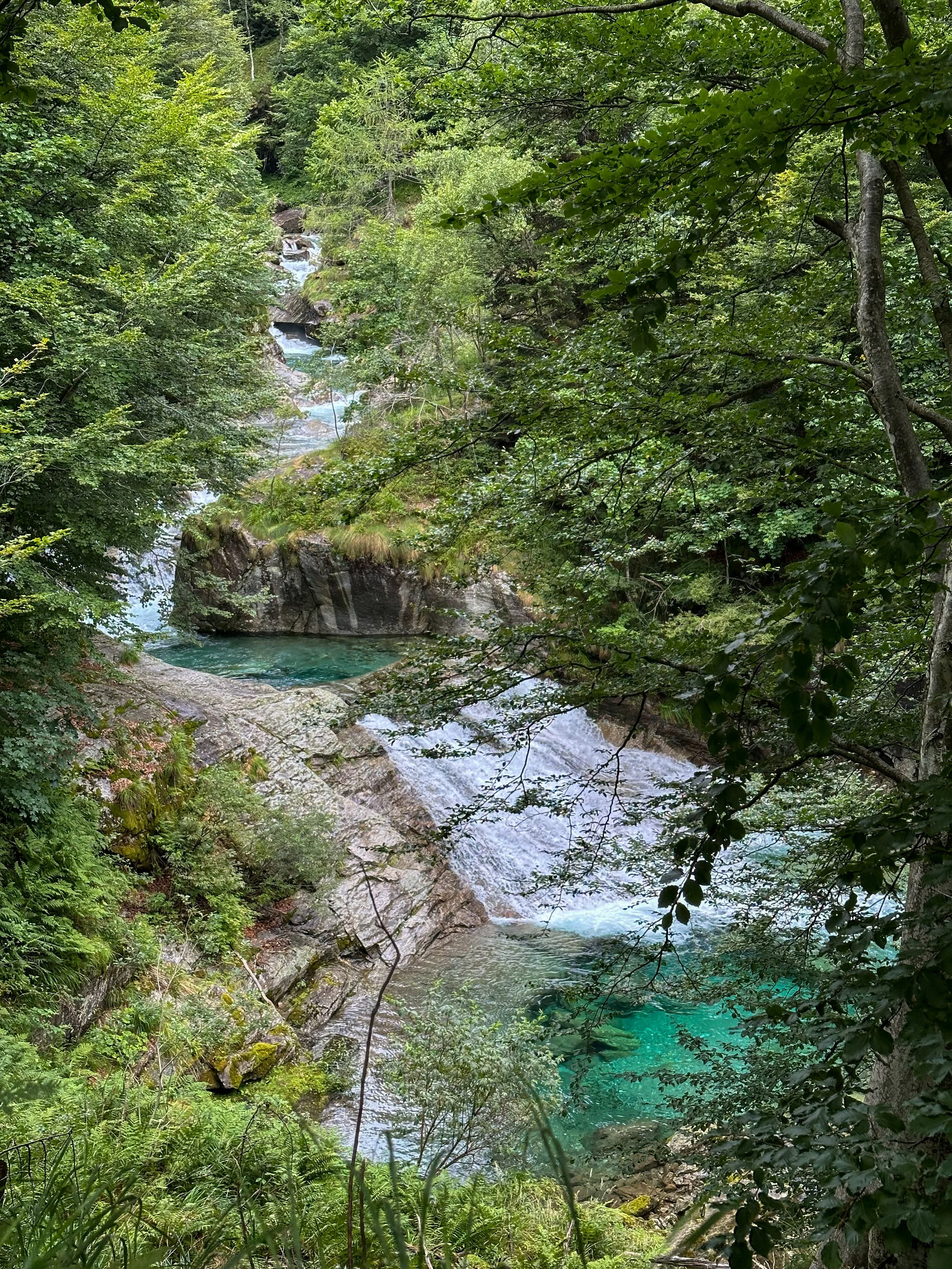
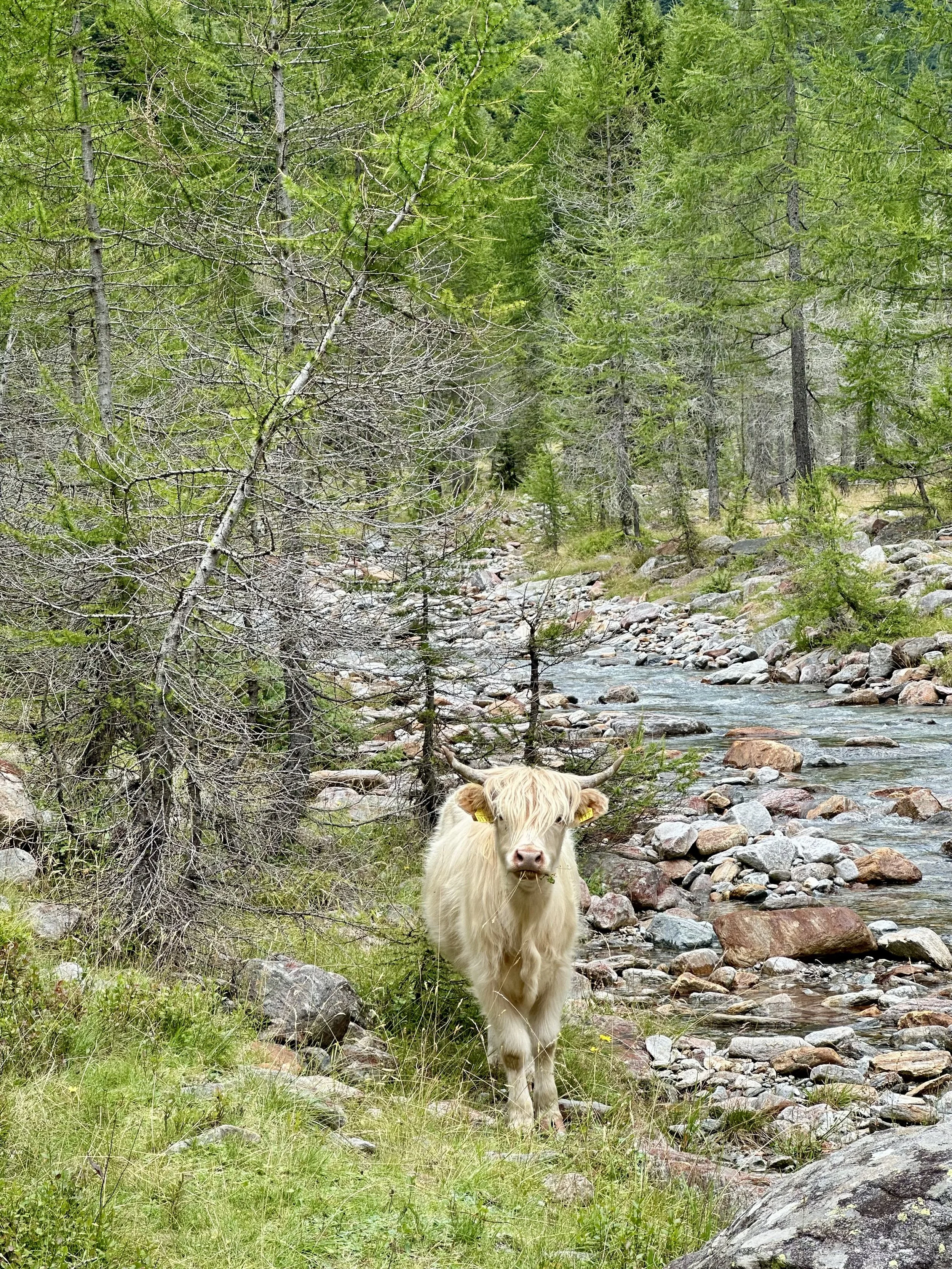
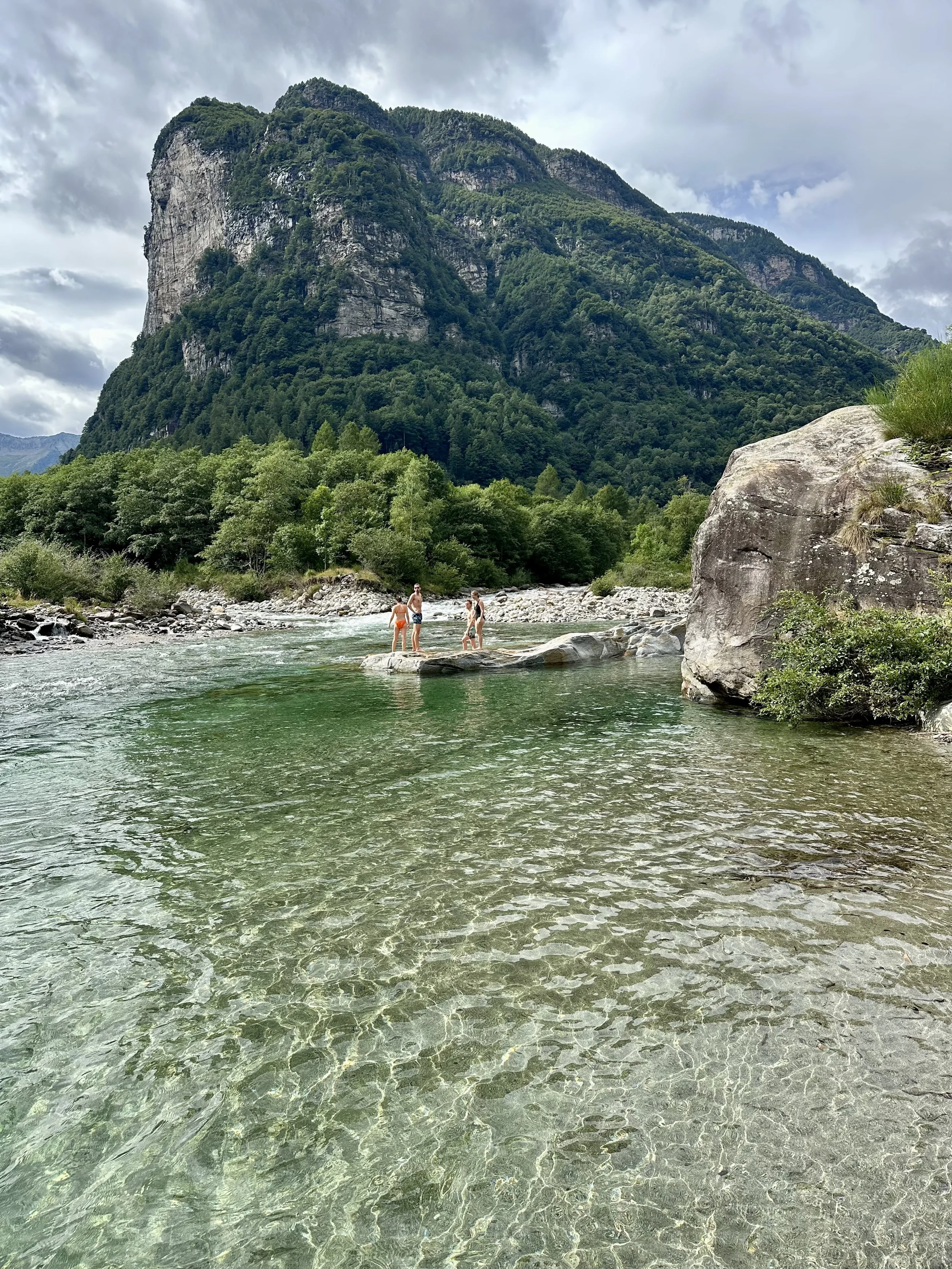
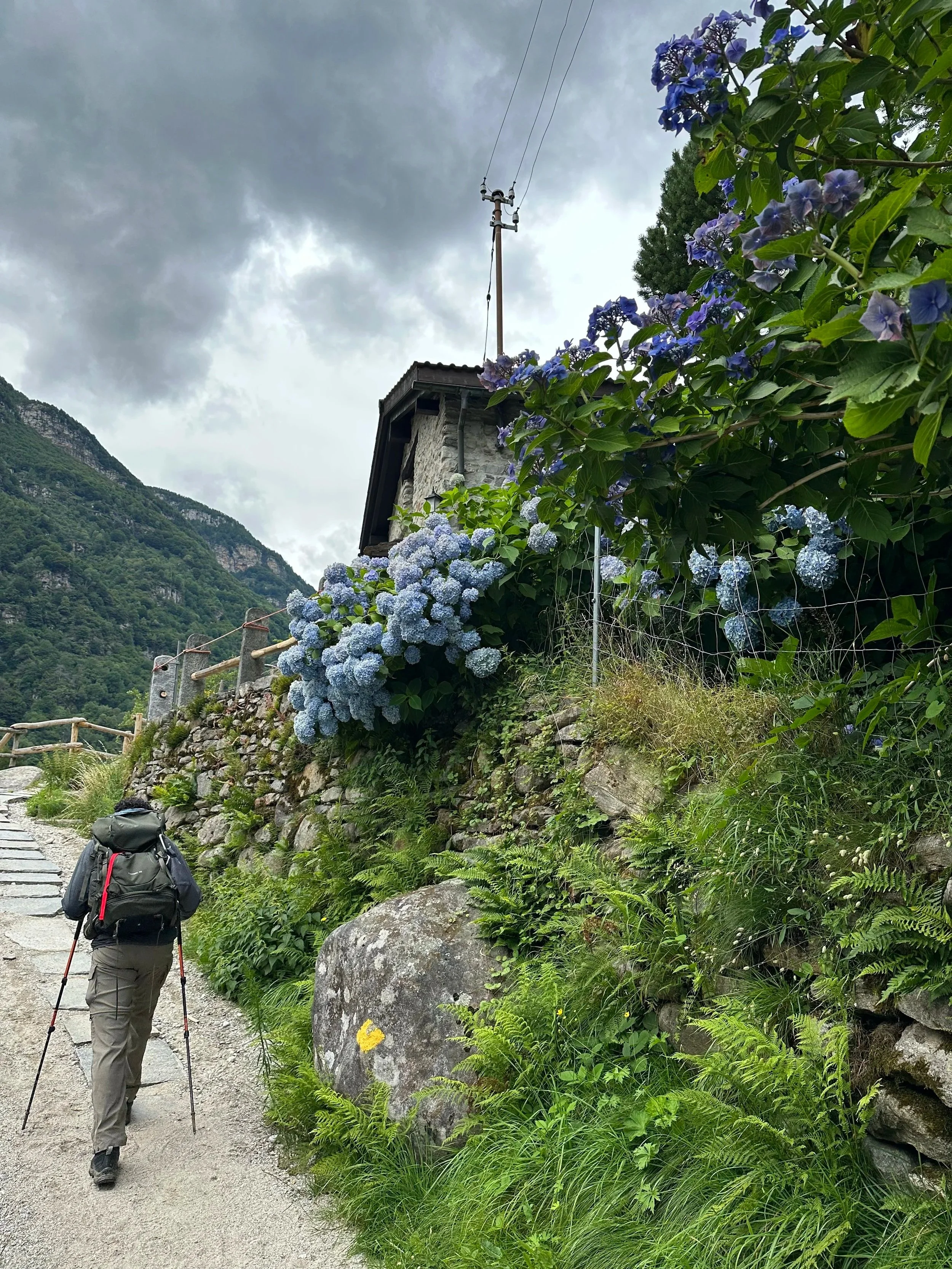
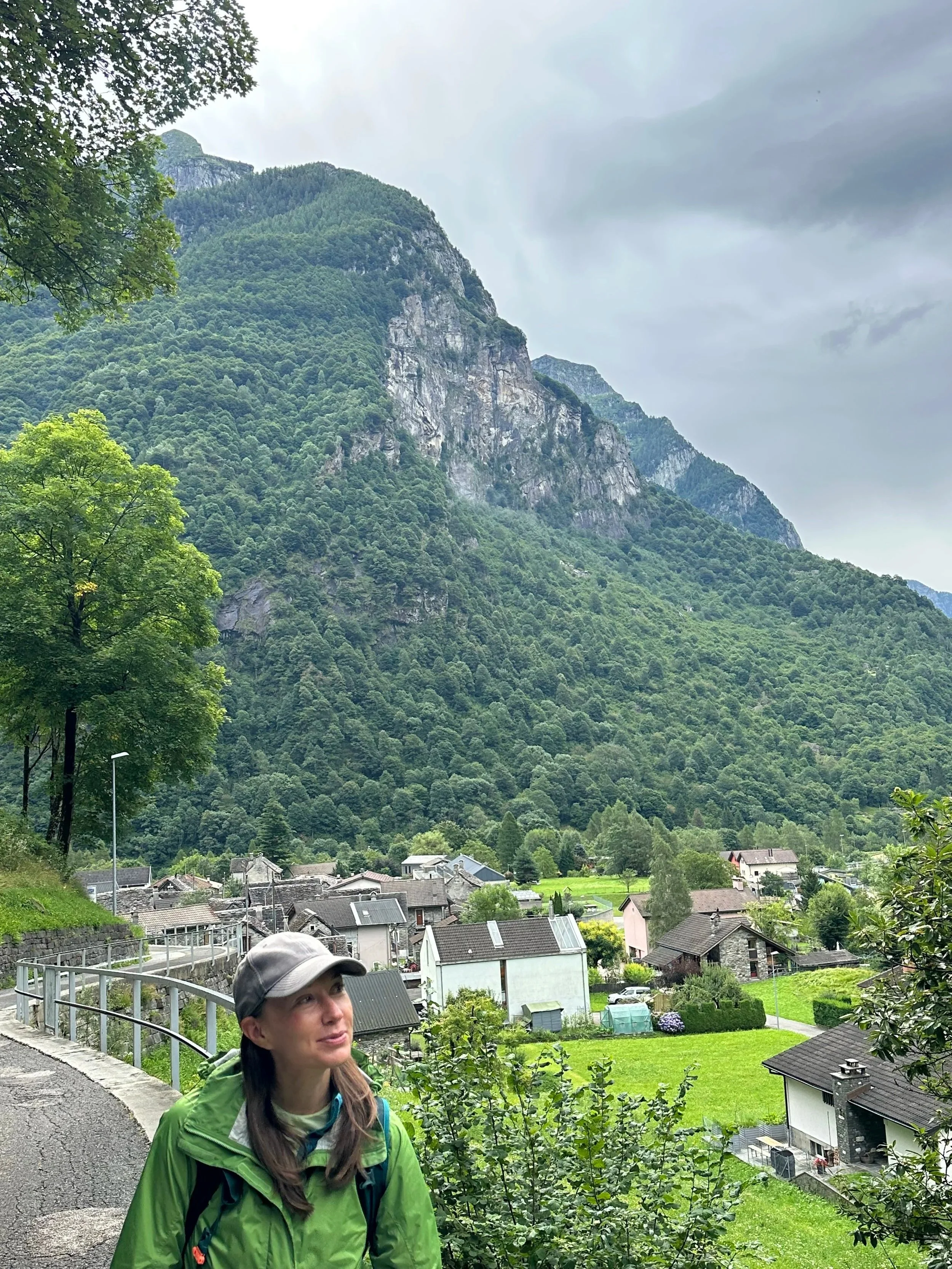
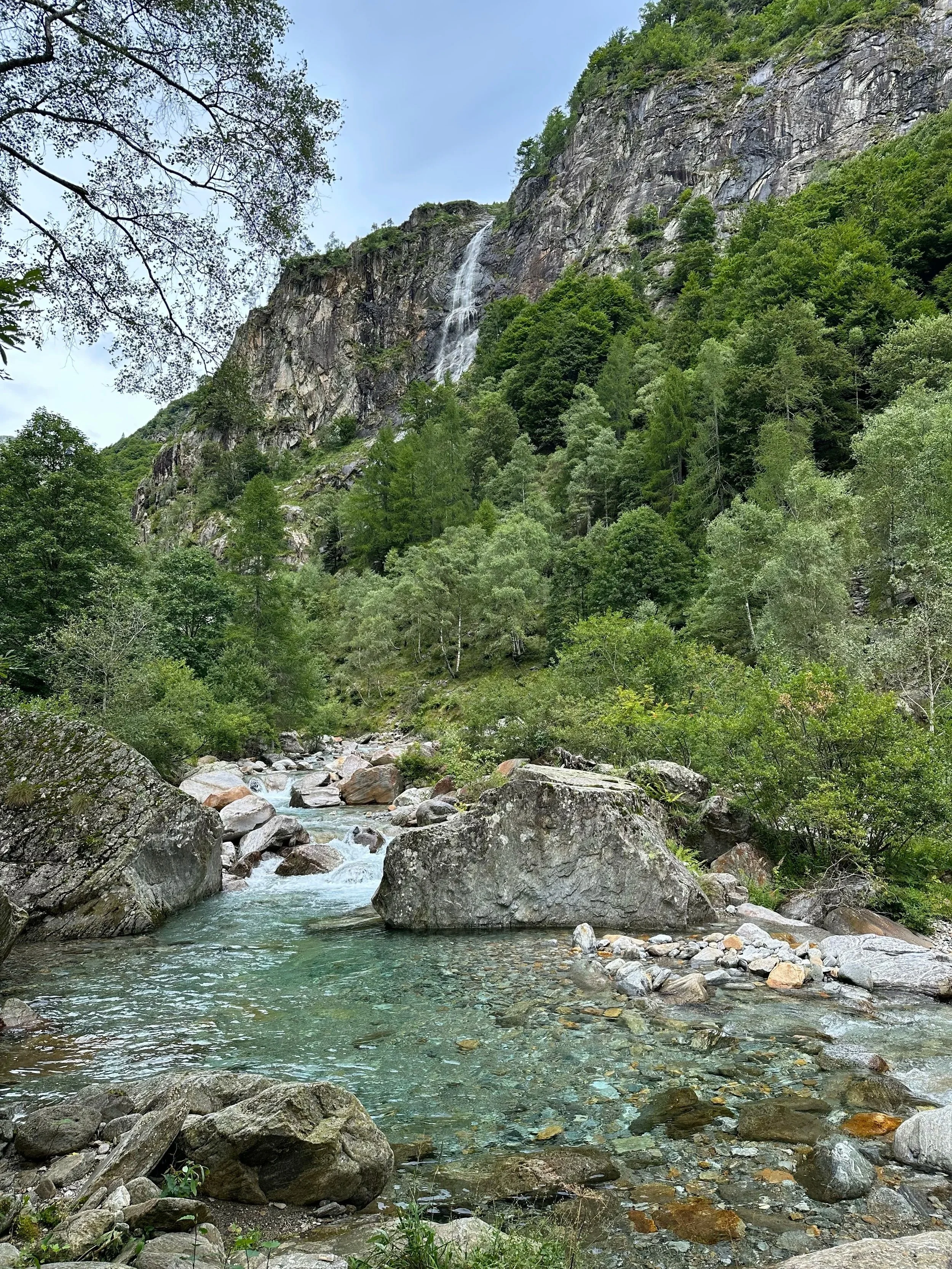
And Val Osola is beautiful. For most of the hike, the trail stayed low in the valley, following the Osura River with its many crystalline pools, surrounded by waterfalls on both sides, until we reached a high alpine plateau. It was so quiet and so peaceful. On the way back, we stopped at the beach near Brione for a very chilly swim, before hiking all the way back to Frasco and eating some well-deserved gnocchi.
Sunday, we did an easier hike to Sonogno to see the valley's other famous attraction: Cascata Frodo, a dramatic waterfall on the outskirts of the village. In the morning, I remember thinking, "we saw so many unnamed waterfalls yesterday, what's the big deal about this one?" But I understood once we arrived. It was noticeably more crowded here, and rightfully so. This waterfall was spectacular.
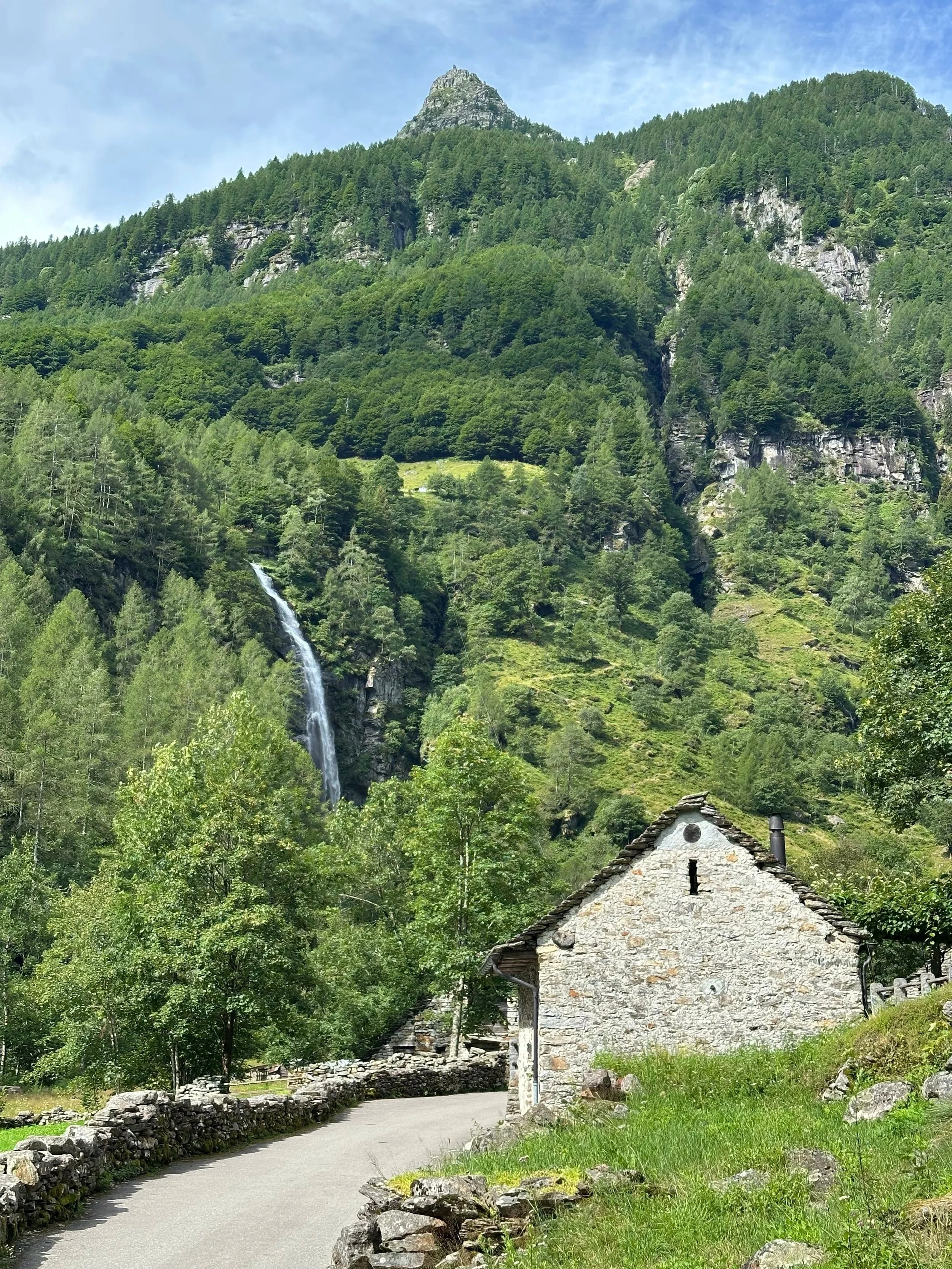
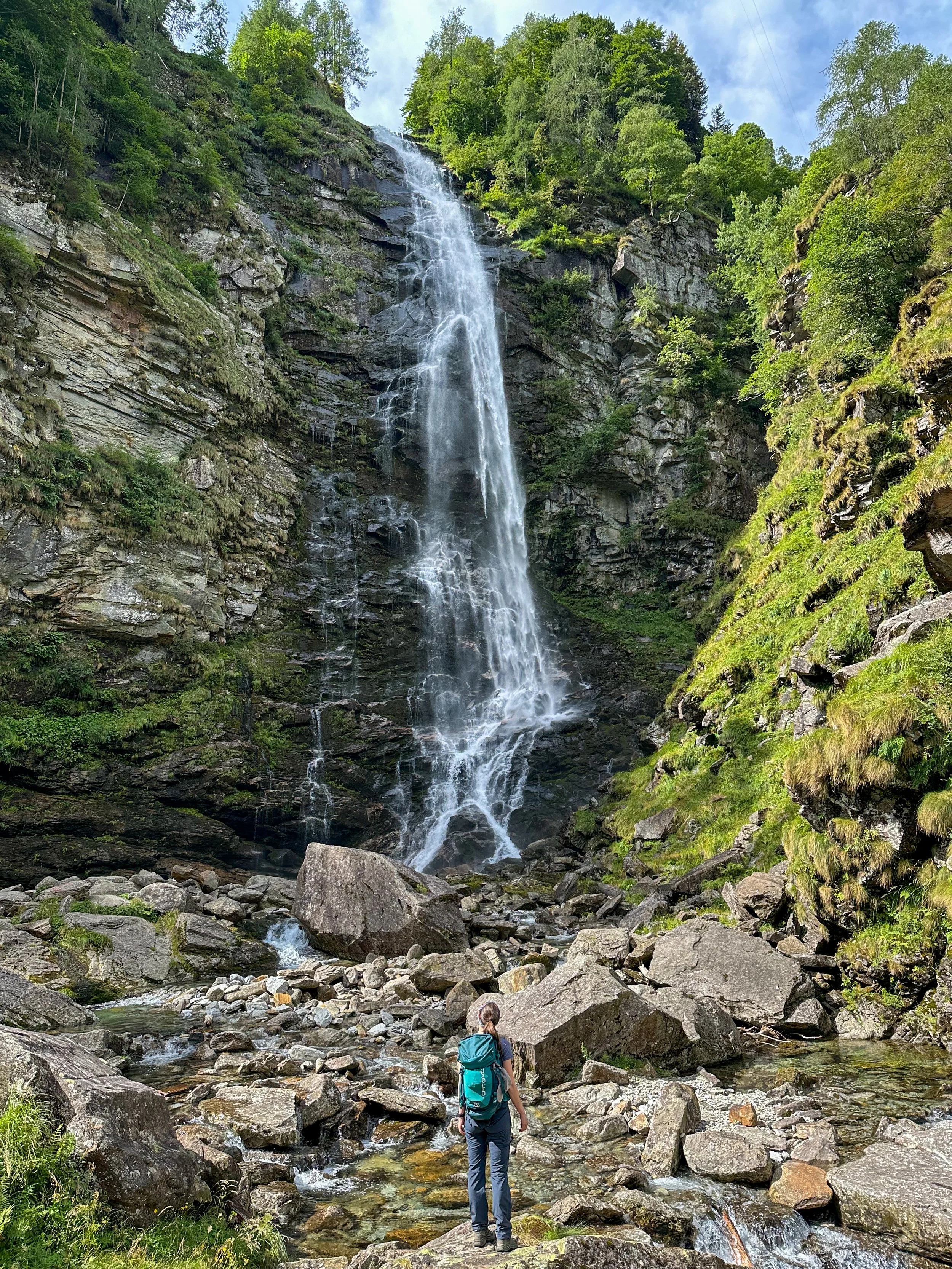
Every time I go to Ticino, I'm struck by how distinct it feels from the rest of Switzerland. The stone villages, the Italian rhythm of life, the million different shades of green. It's a special part of the country.
7. Räbechilbi
I'm thrilled that a quirky Swiss festival has once again shown up on this list.
Let me introduce you to Räbechilbi, one of Switzerland's most enchanting fall traditions. Children carve intricate designs into turnips, place candles inside them, and march through the village at night with their glowing lanterns, called Räbelichtli. It's essentially Switzerland's answer to Halloween pumpkin carving, except somehow more charming. Even the word "Räbelichtli" is adorable: "Räbe" (turnip) + "lichtli" (little light) = little turnip lights! Swiss German truly does have its moments.
(By the way, "Chilbi" means festival, so Räbechilbi means turnip festival!)
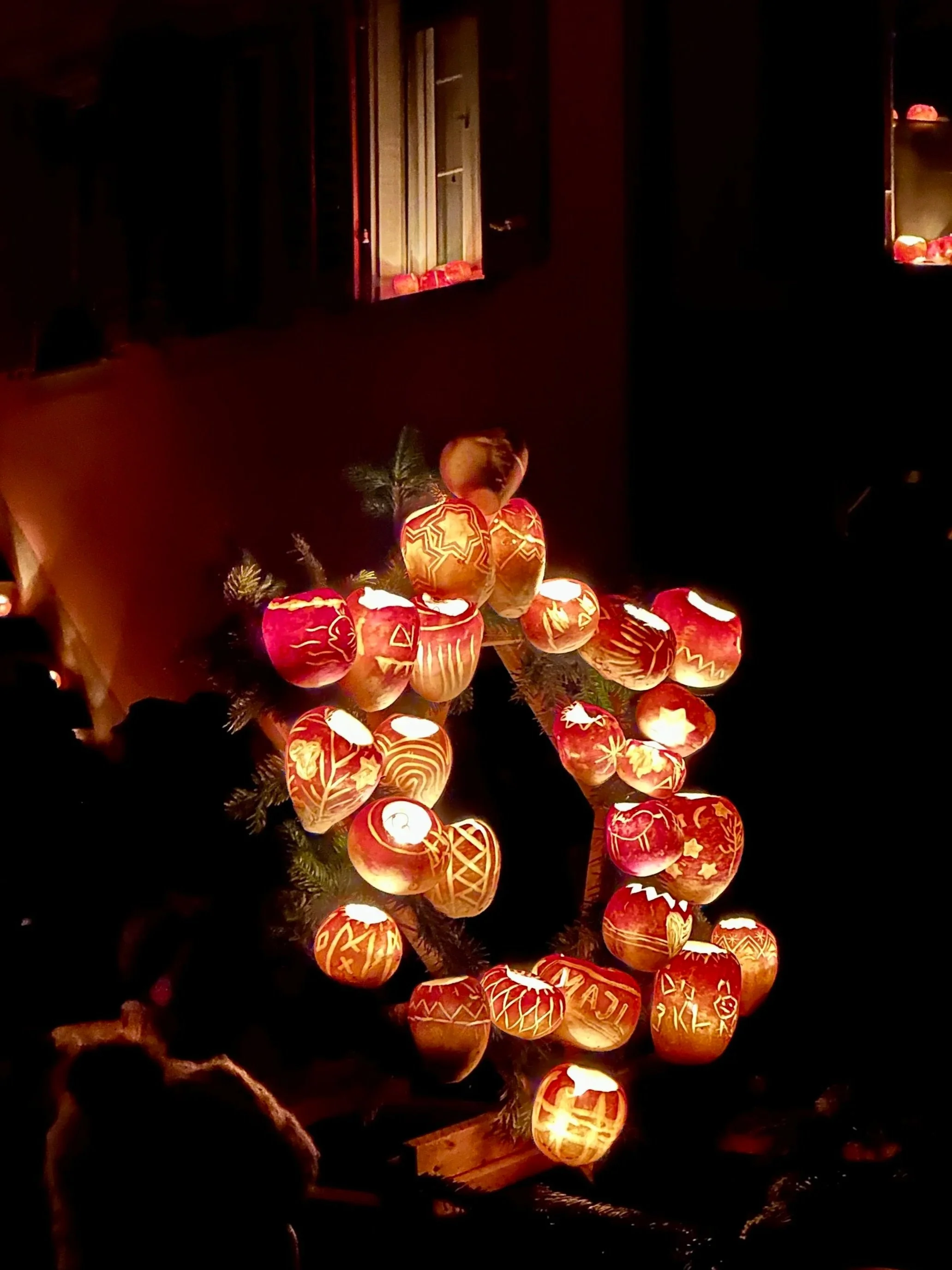
Räbechilbi parades happen every November across German-speaking Switzerland, but the most famous one takes place in Richterswil, a small town on Lake Zurich. Schools, clubs, and community groups spend thousands of hours creating elaborately illuminated floats for the town parade (which, apparently, holds the Guinness Book of World Records title for world's largest turnip lantern parade). Raunaq had been begging to go for years, but we kept missing it. This year, though, the stars (or turnips) aligned and we finally made it happen.
And let me tell you: we were not the only people who'd had this idea.
The trains heading to Richterswil that afternoon were absolutely packed, busier than any rush hour commute I've ever experienced. Shoulder-to-shoulder people, standing room only. At one stop, as yet another wave of people squeezed into our carriage, I turned to Raunaq: "This can't possibly all be for the turnip parade. That would be insane. Right?"
Friends, we all got off at Richterswil.
I later learned the festival has exploded in popularity recently. So much so that the village now restricts street access to locals and requires everyone else to purchase a festival badge just to attend.
But the moment we arrived, I understood the hype. Every corner of the village glowed with carved turnips - tucked into windows, perched on doorsteps, lining every street. The flickering candles against cobblestones and half-timbered houses created a perfect autumnal scene: cozy, slightly spooky, completely magical.
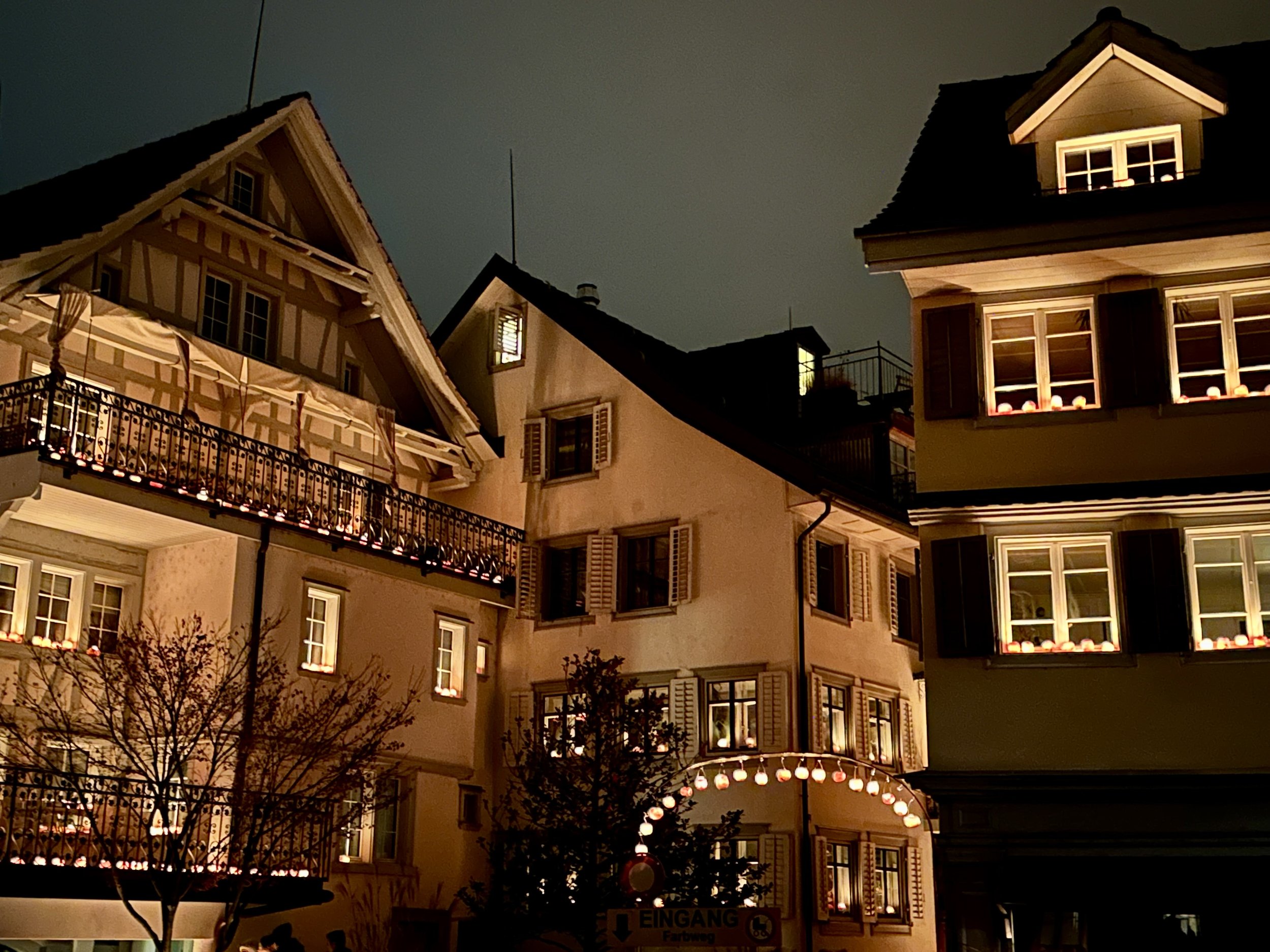
Then 6pm hit, every streetlight went dark, and the parade began. The only light came from thousands of turnip lanterns snaking through the village. As a live band played, little children marched by proudly holding their small, hand-carved creations (so cute!), while other floats were massive, intricate structures (all pushed entirely by hand, mind you). We announced with delight as each one passed: "Look, it's the Lake Zurich ferry!" "Oh my gosh, a shark!" "It's a pig!" "It's Pippi Longstocking!" I have no idea how they decide what to build each year. There was absolutely no rhyme or reason to the subjects, just pure whimsy. It was really fun to watch.
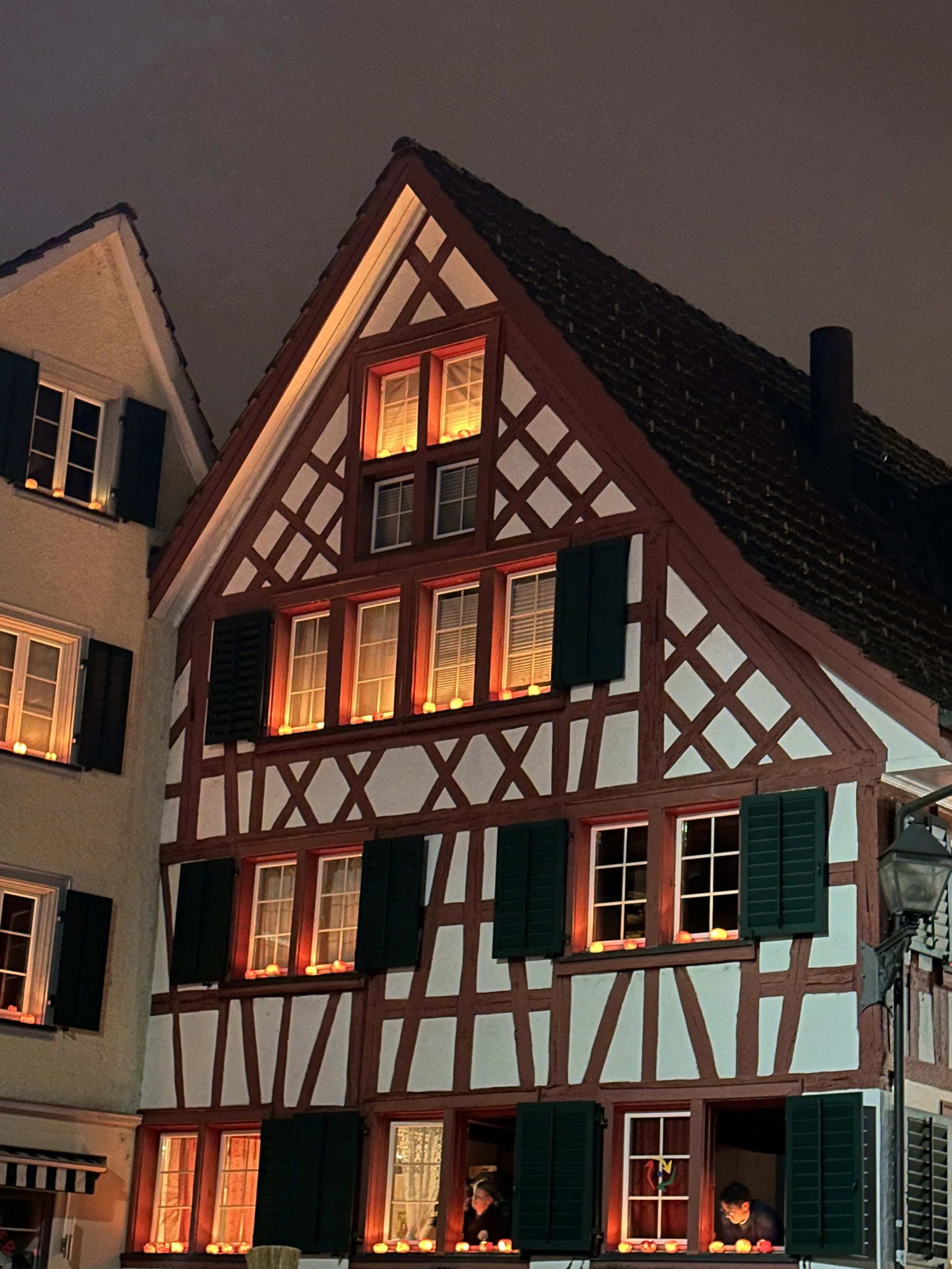
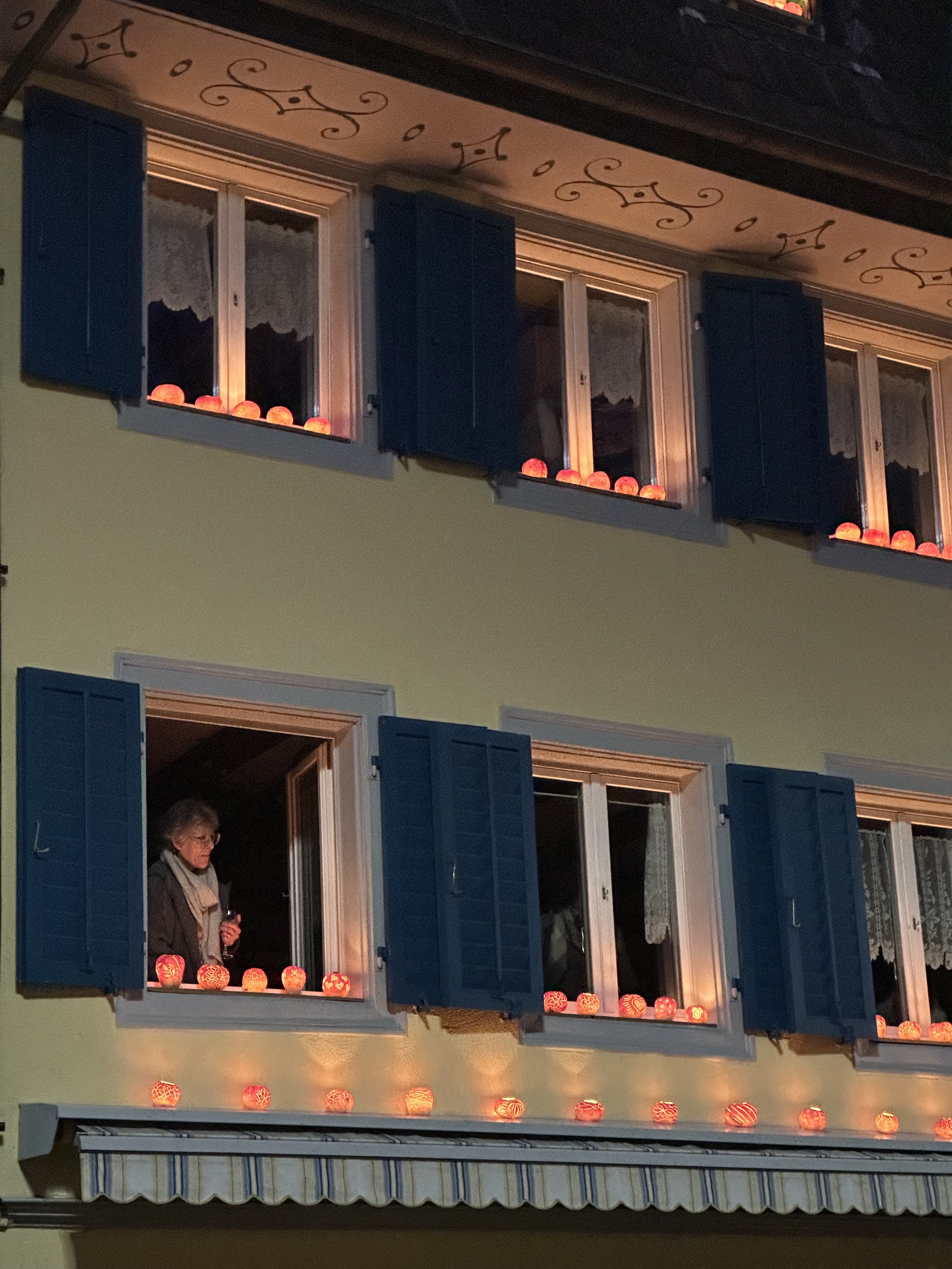
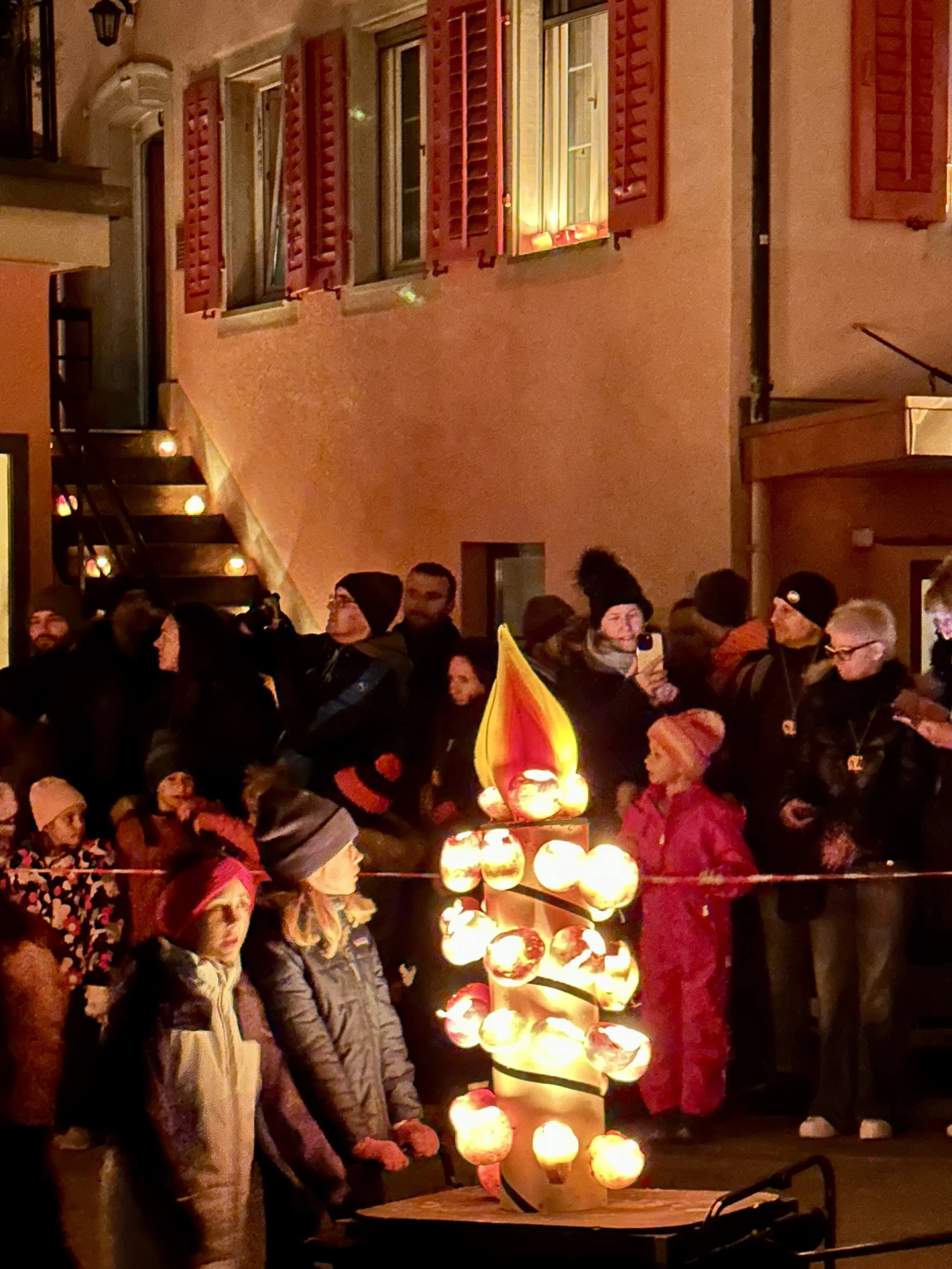
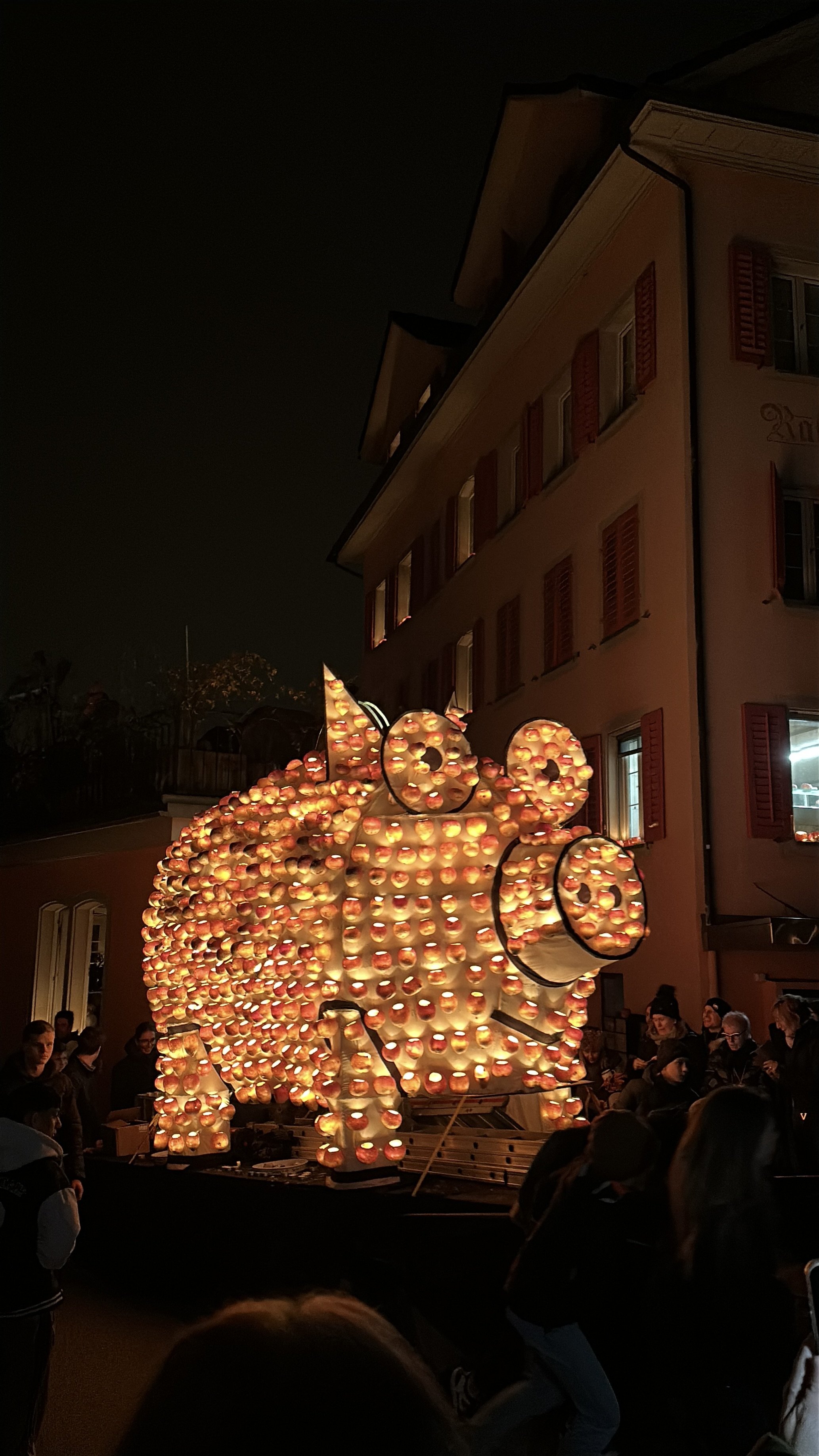
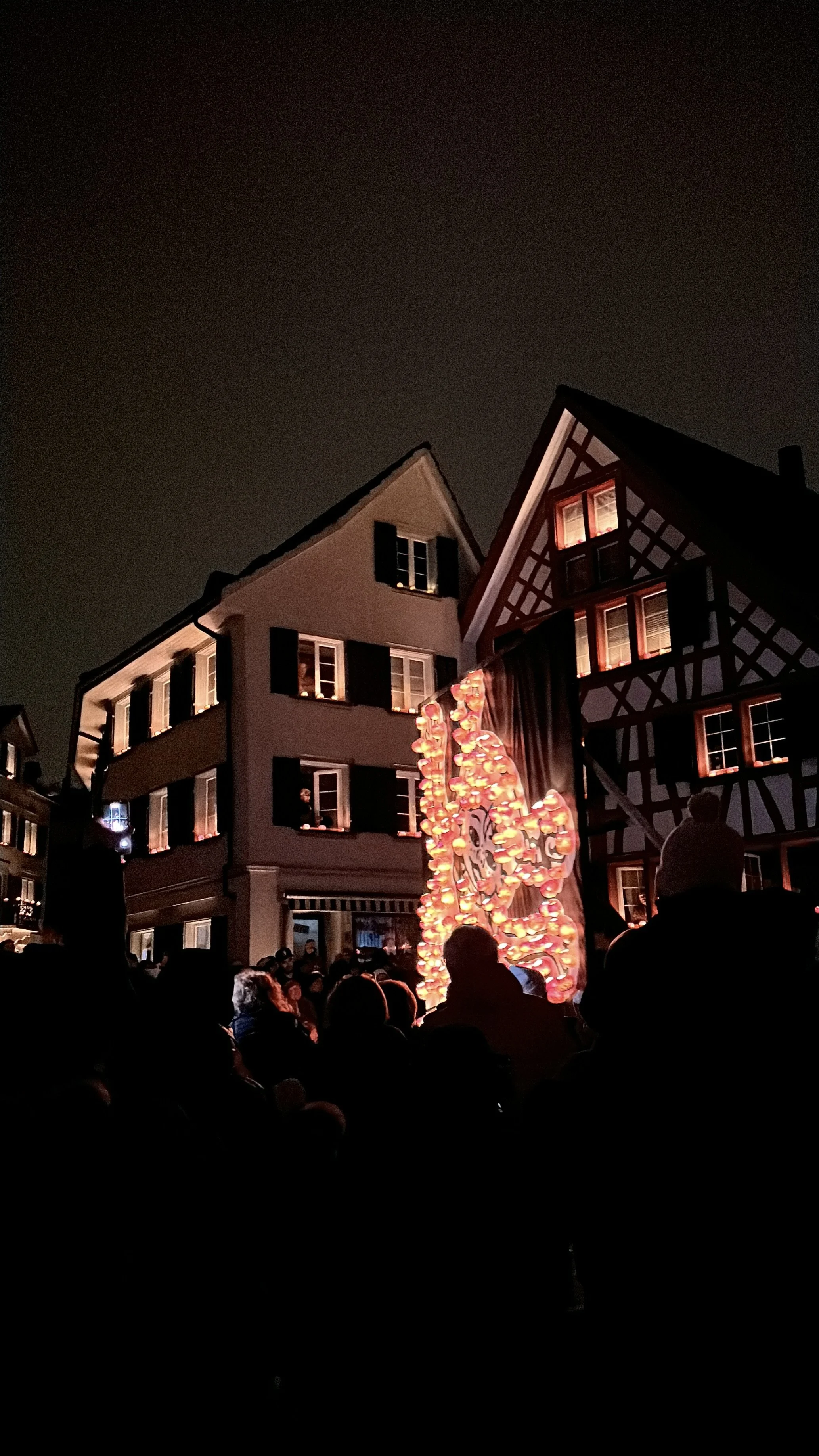
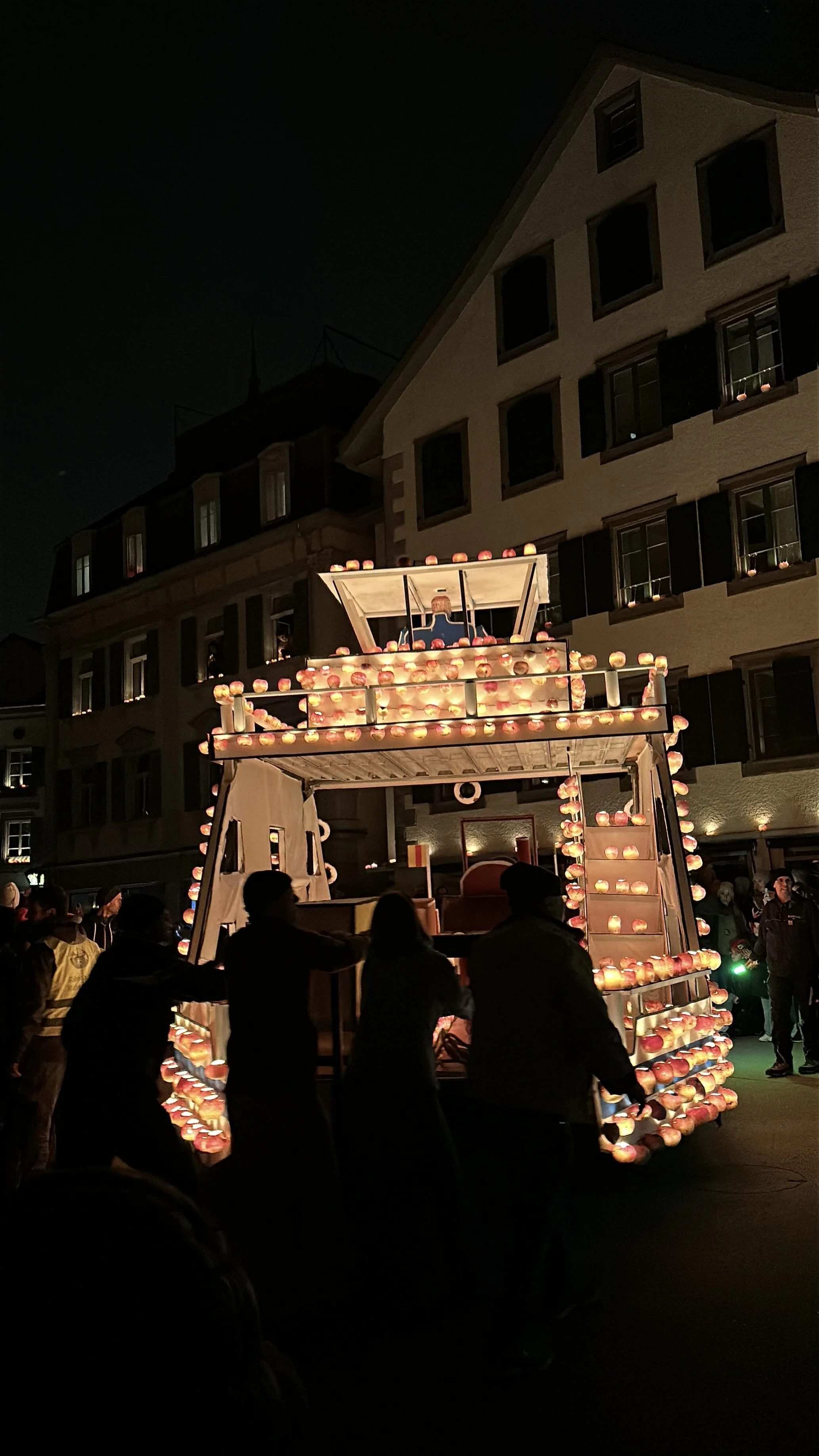
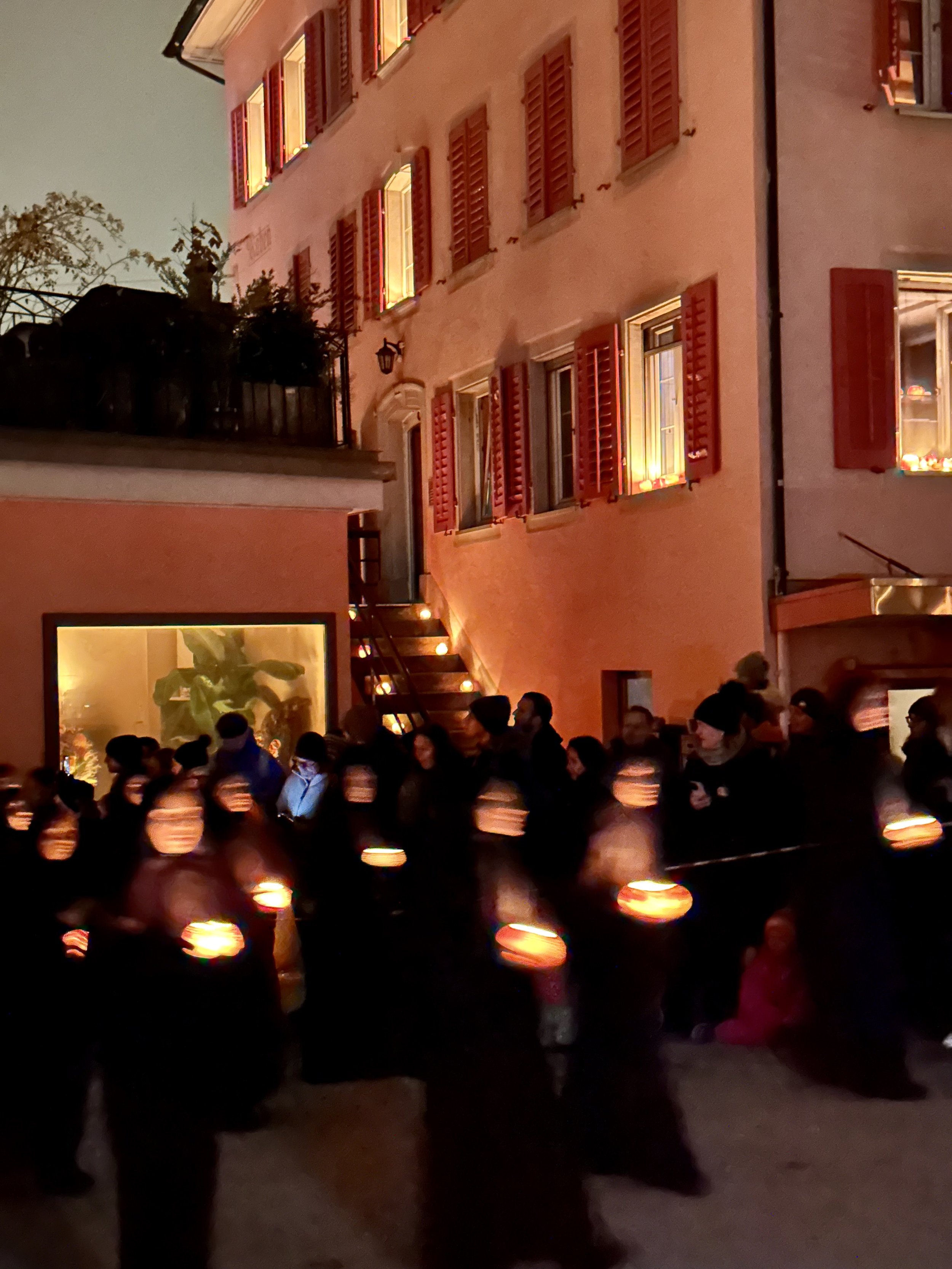
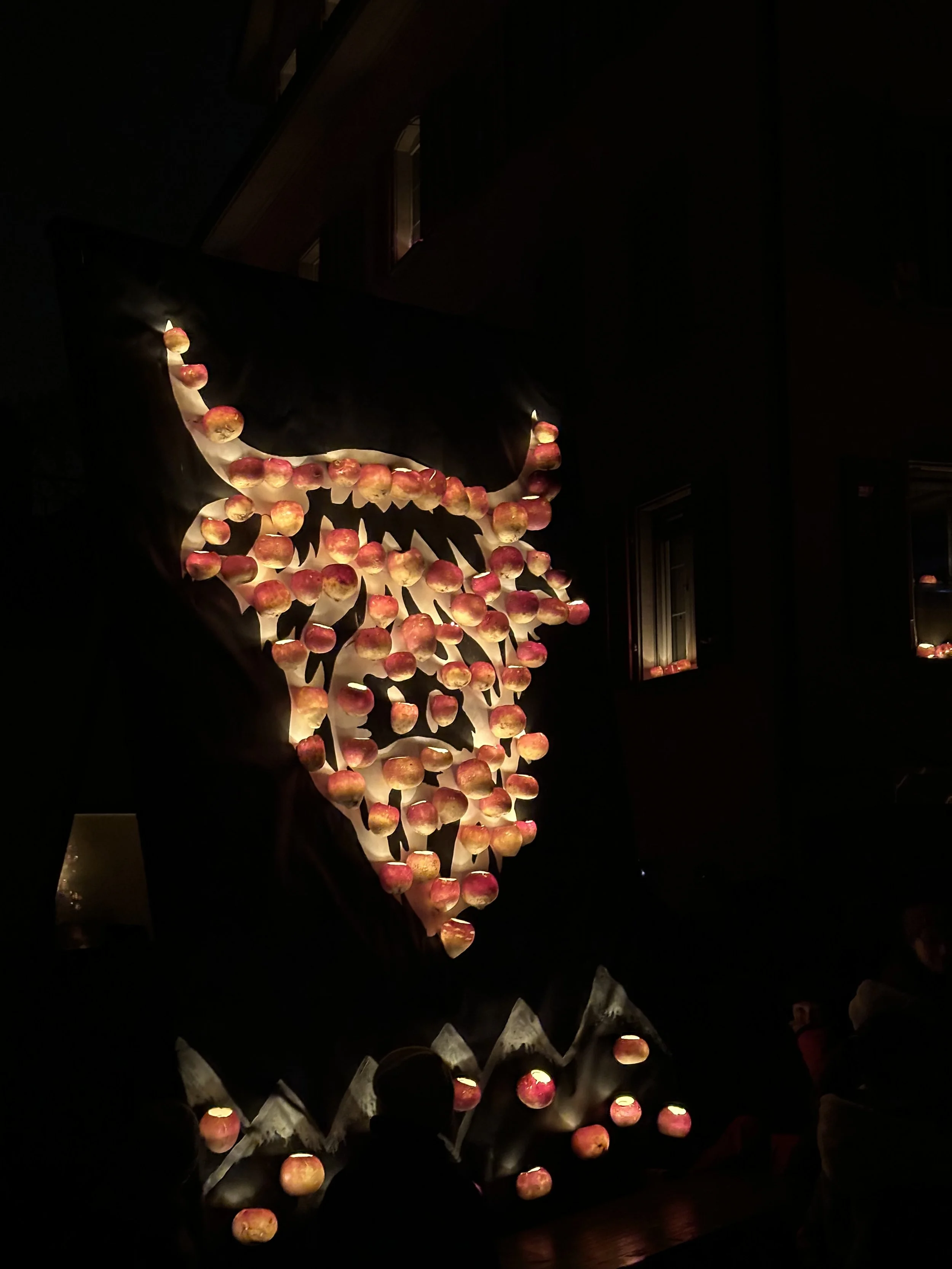
There’s something special about experiencing festivals like this. Even though they have evolved over time, there is something old within them, rooted in customs that stretch back centuries. Celebrations created by people who felt deeply connected to the rhythms of seasons, who saw the sacred in the natural world, who believed in carrying on the lore of their ancestors…and, shoot. I’ve done it again. I’m over-romaticizing things again, aren't I? But I can’t help it!
Today's Räbechilbi may have a notably modern flair, but the ancient thread running through it was unmistakable. Even while watching a shark float by.
By the way, when I looked up the attendance numbers, I discovered over 20,000 people showed up in 2025. Twenty thousand! For turnips! Which means there's a good chance someone reading this was also there. Let me know in the comments if you went!
8. The larches in Zermatt
If there's one thing that regularly appears on this list, it's a hike to see the golden larches. What can I say, I like what I like!
This time, the larch trip was a weekend to Zermatt in October. And this trip was extra memorable because, for the first time, I relinquished the date-choosing to Raunaq. This is important context: I believe that choosing the dates for peak yellow larches is an art as much as a science, and I put an absurd amount of effort into selecting the perfect weekend. I check webcams, Instagram tags, recent posts, multiple websites. Raunaq, meanwhile, glanced at one online foliage tracker, saw it predicted October 13th for peak yellow, and thought, "sure, sounds good." As the self-proclaimed larch expert, I scoffed. Way too early, I insisted. I maybe (definitely) gave him grief about it on the entire 3.5-hour train ride there. And I must say: the larches were perfect, and I was thoroughly humbled.
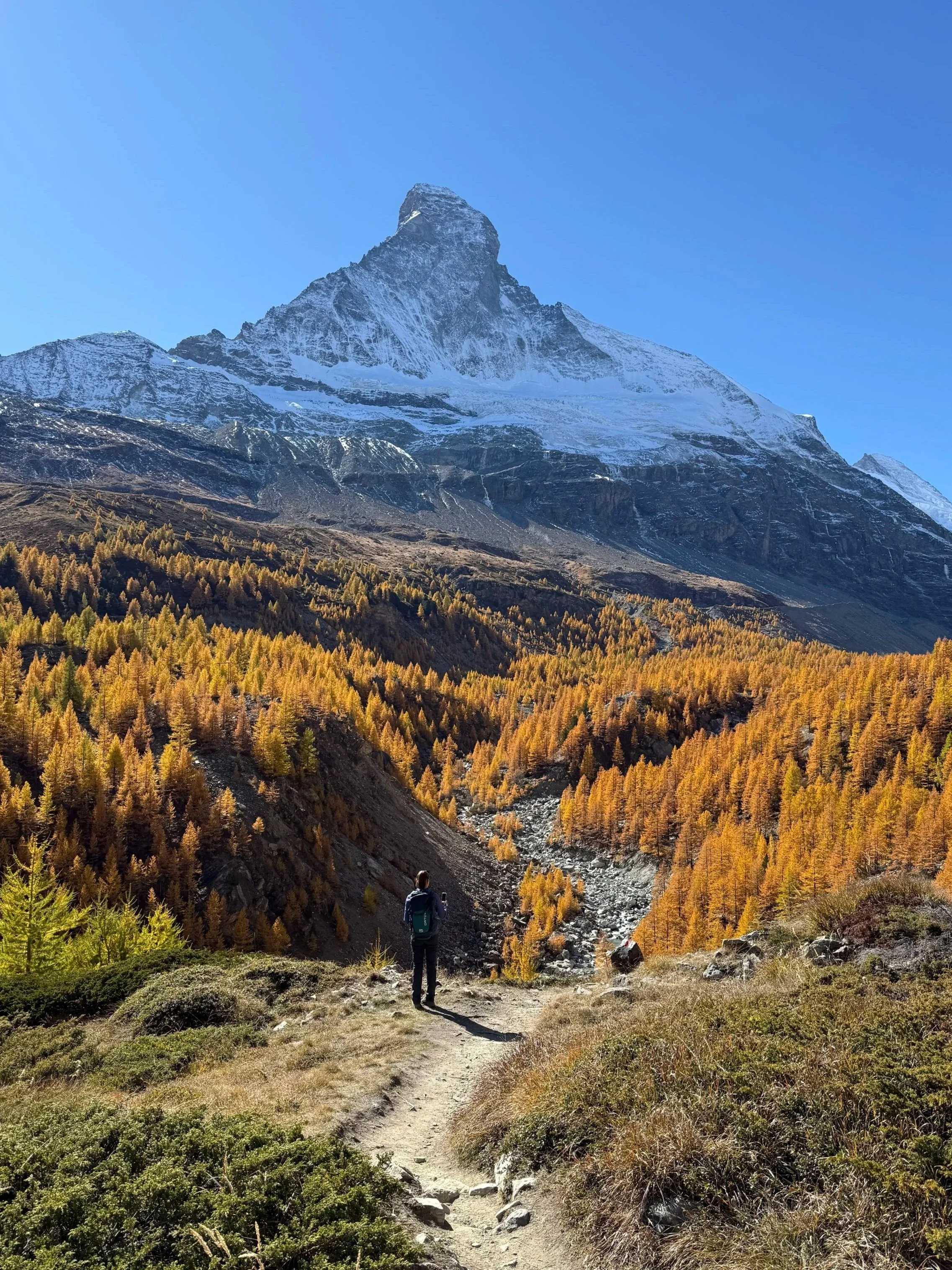
I am not exaggerating when I say it was the most color-saturated weekend of my life. Golden larches glowing against blue sky, with the Matterhorn in the background in all her glory. It was almost too much to process. I wrote about this weekend in detail here, and because this post is getting long, I'll let the photos do the talking. Please enjoy.
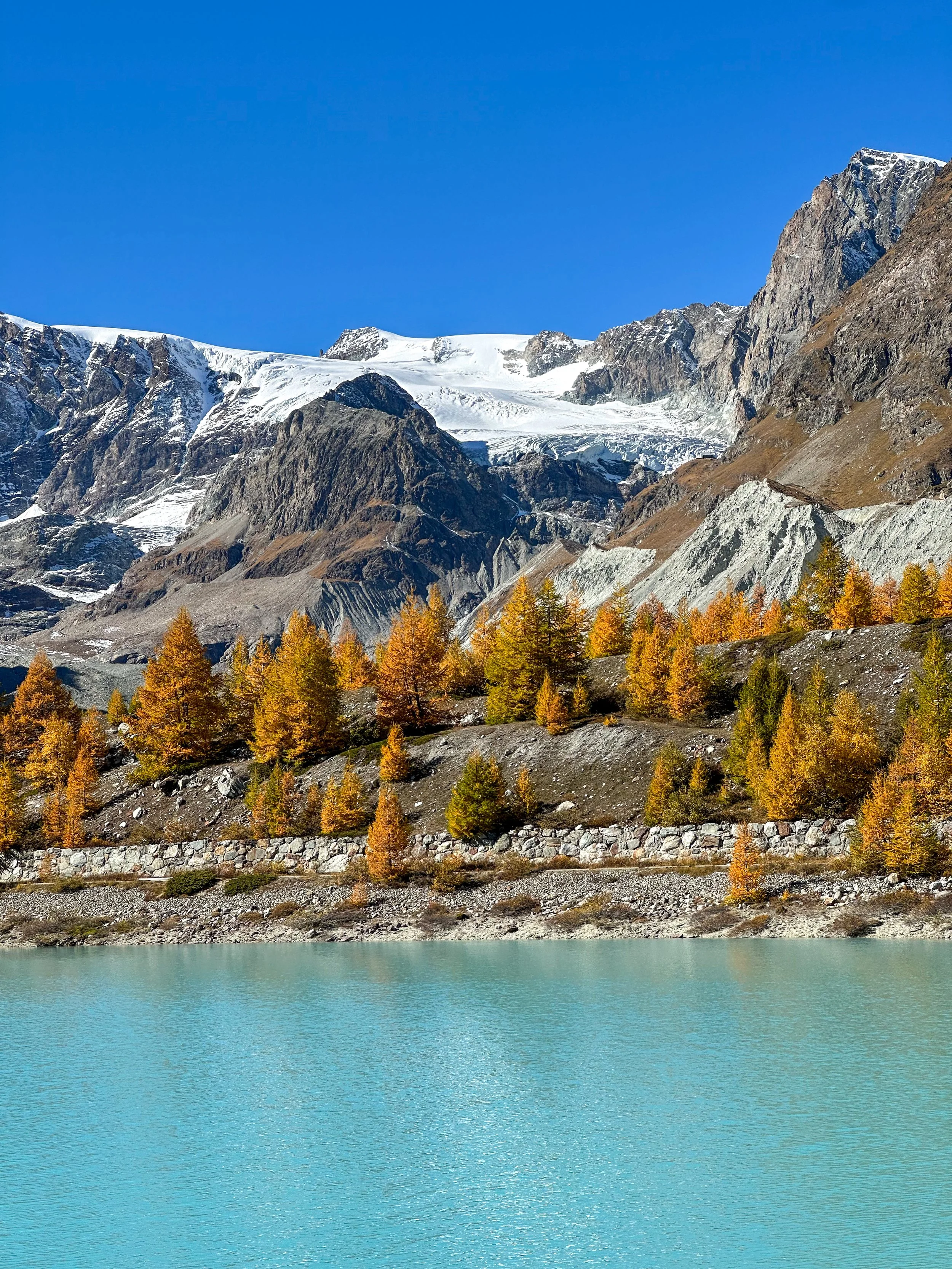
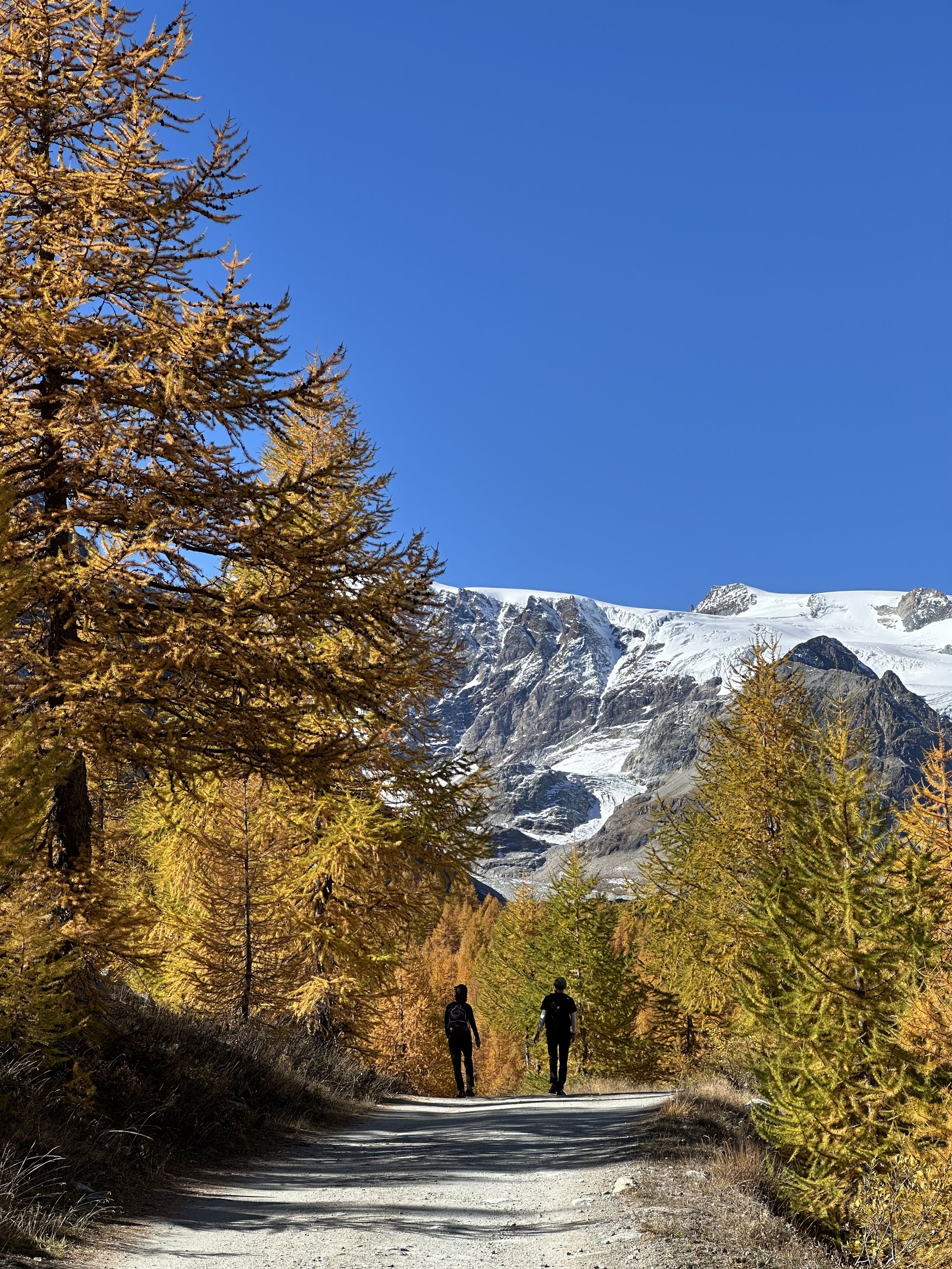
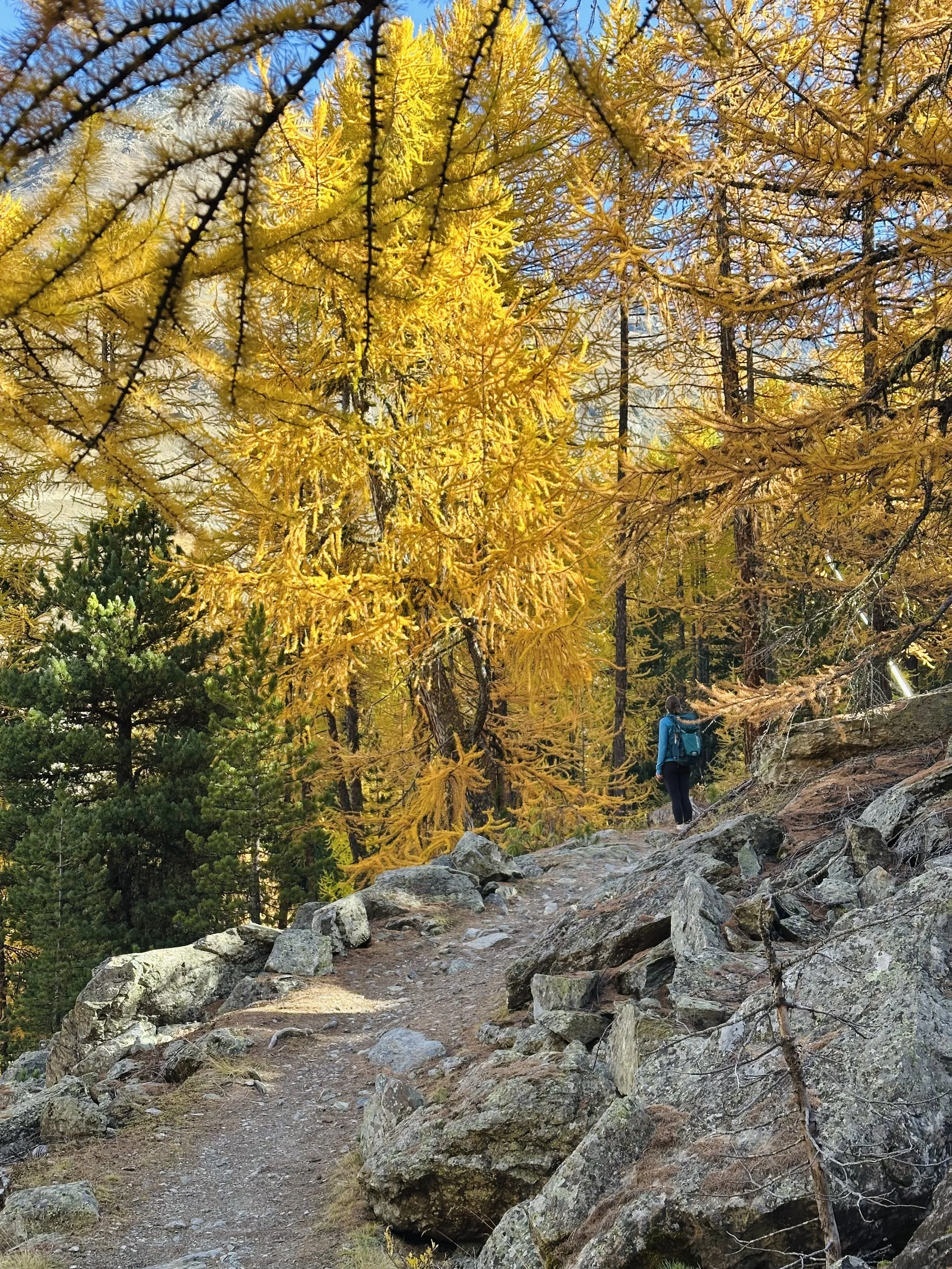
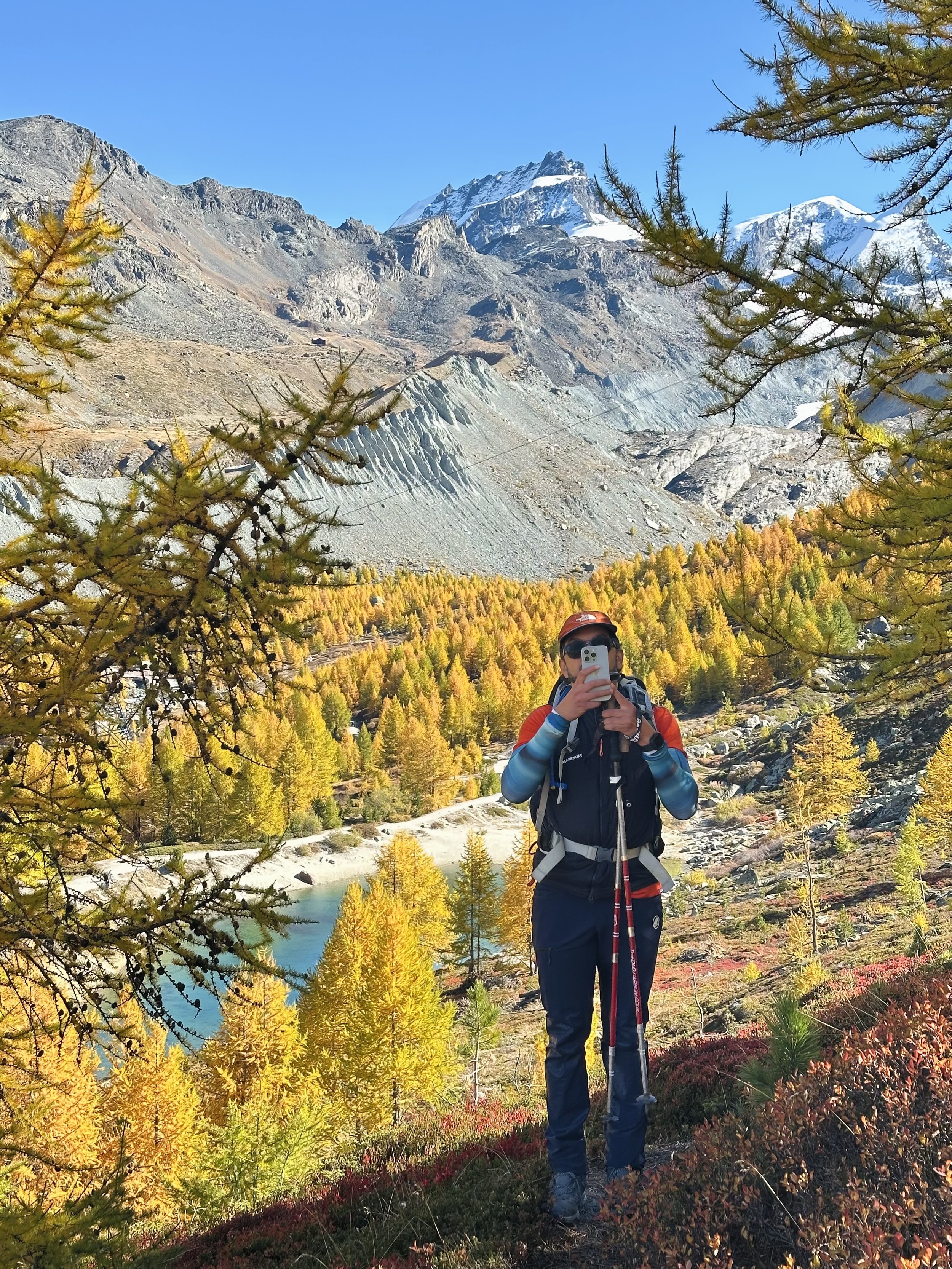
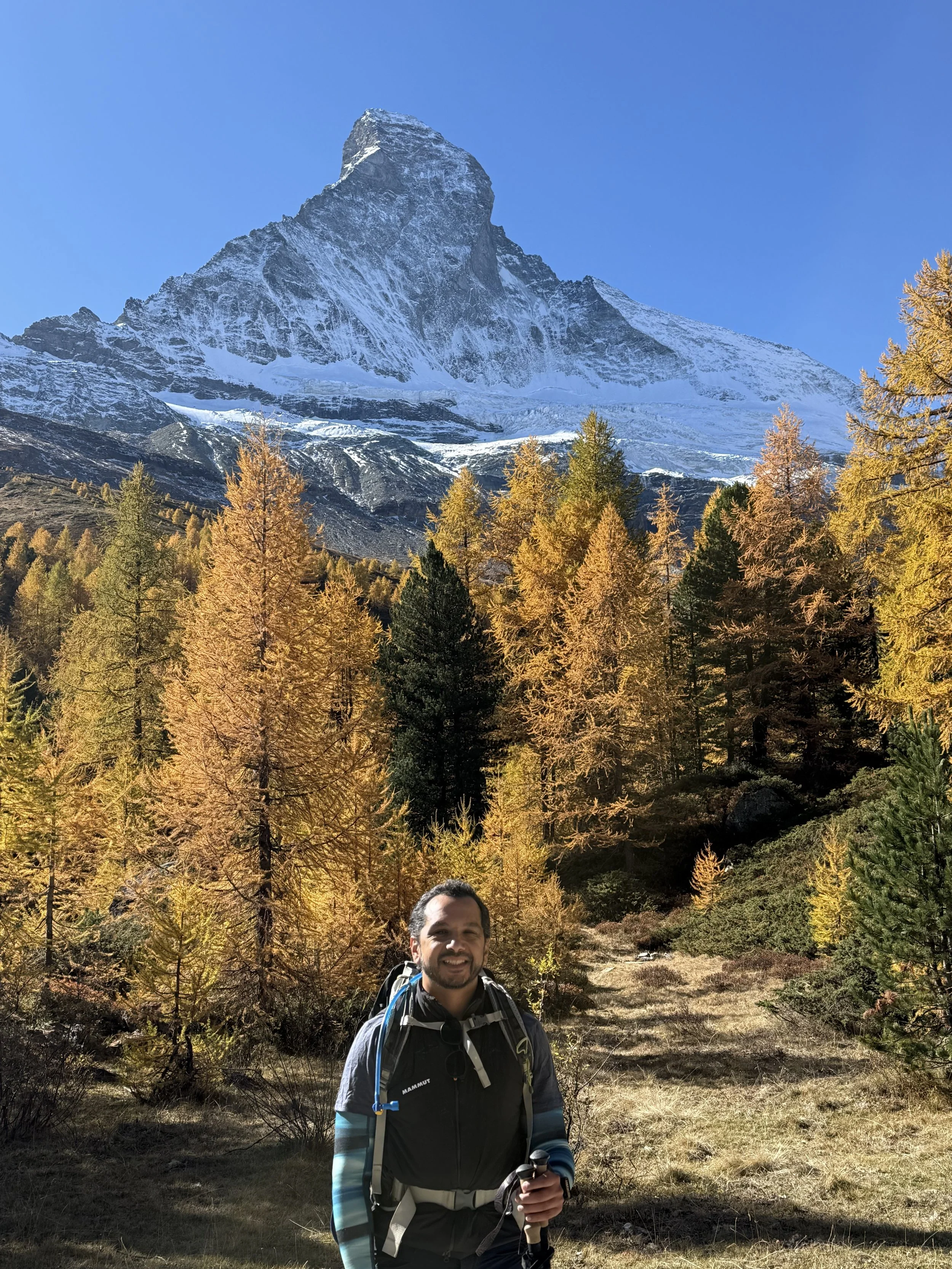
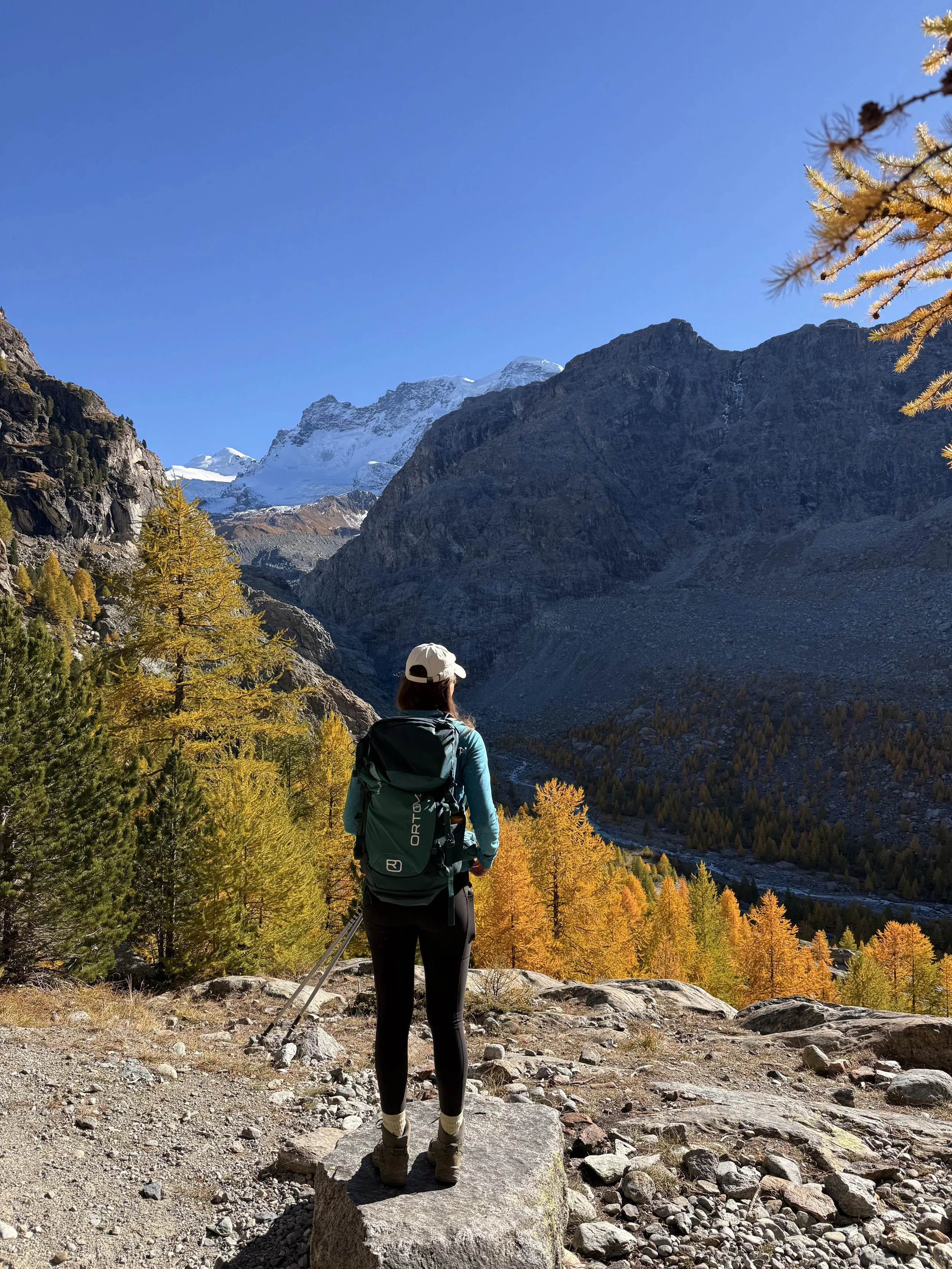
And yes, go ahead and give Raunaq the credit. I’ll allow it.
9. Weltklasse Zürich
Weltklasse ("world class" for you non-German speakers) is an annual, invitation-only track and field event featuring the world's most elite athletes, and it's PHENOMENAL. This was actually my first professional track and field event ever, and I fear my bar is now set impossibly high. As in, I only want to watch Olympic athletes.
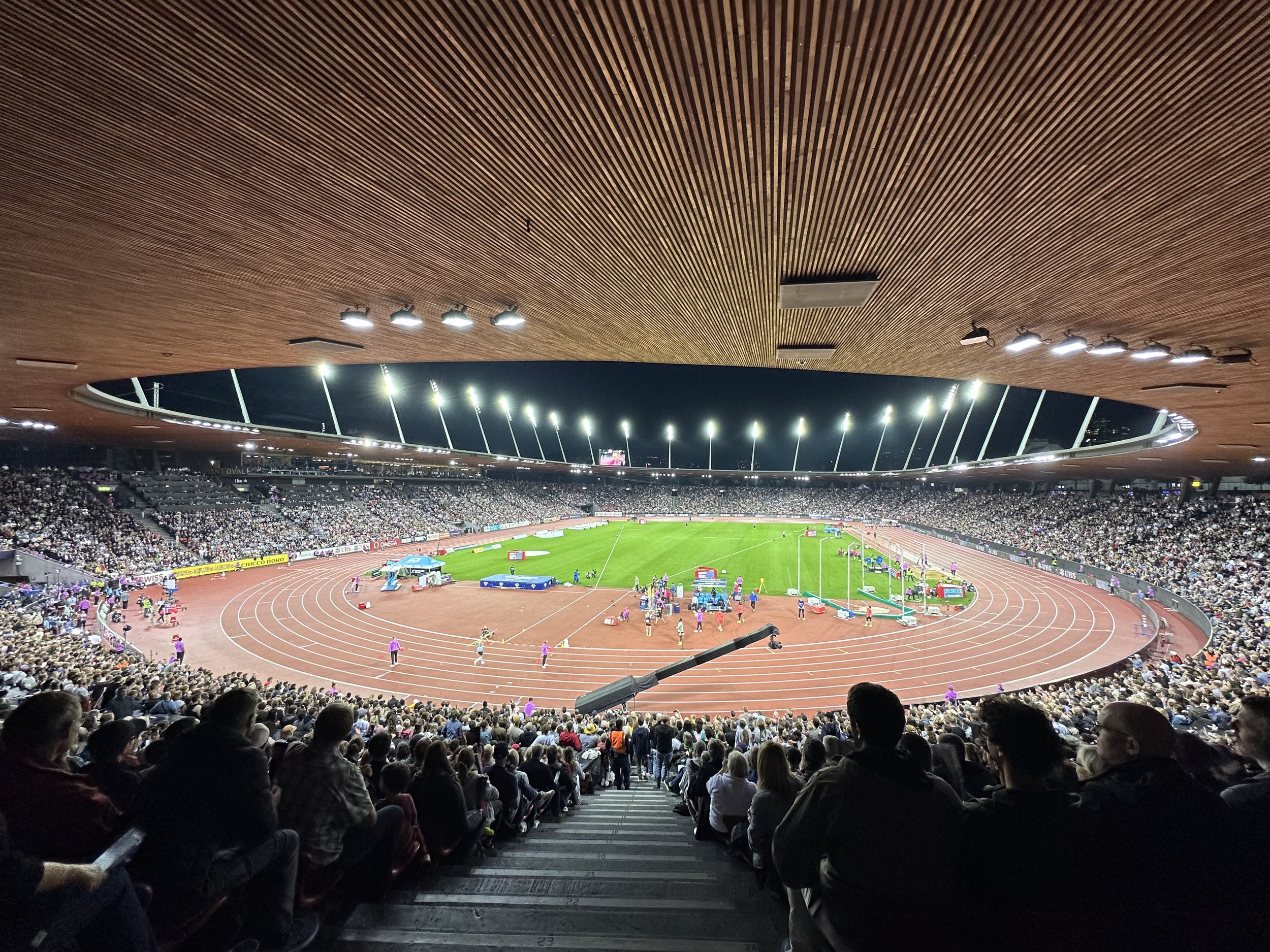
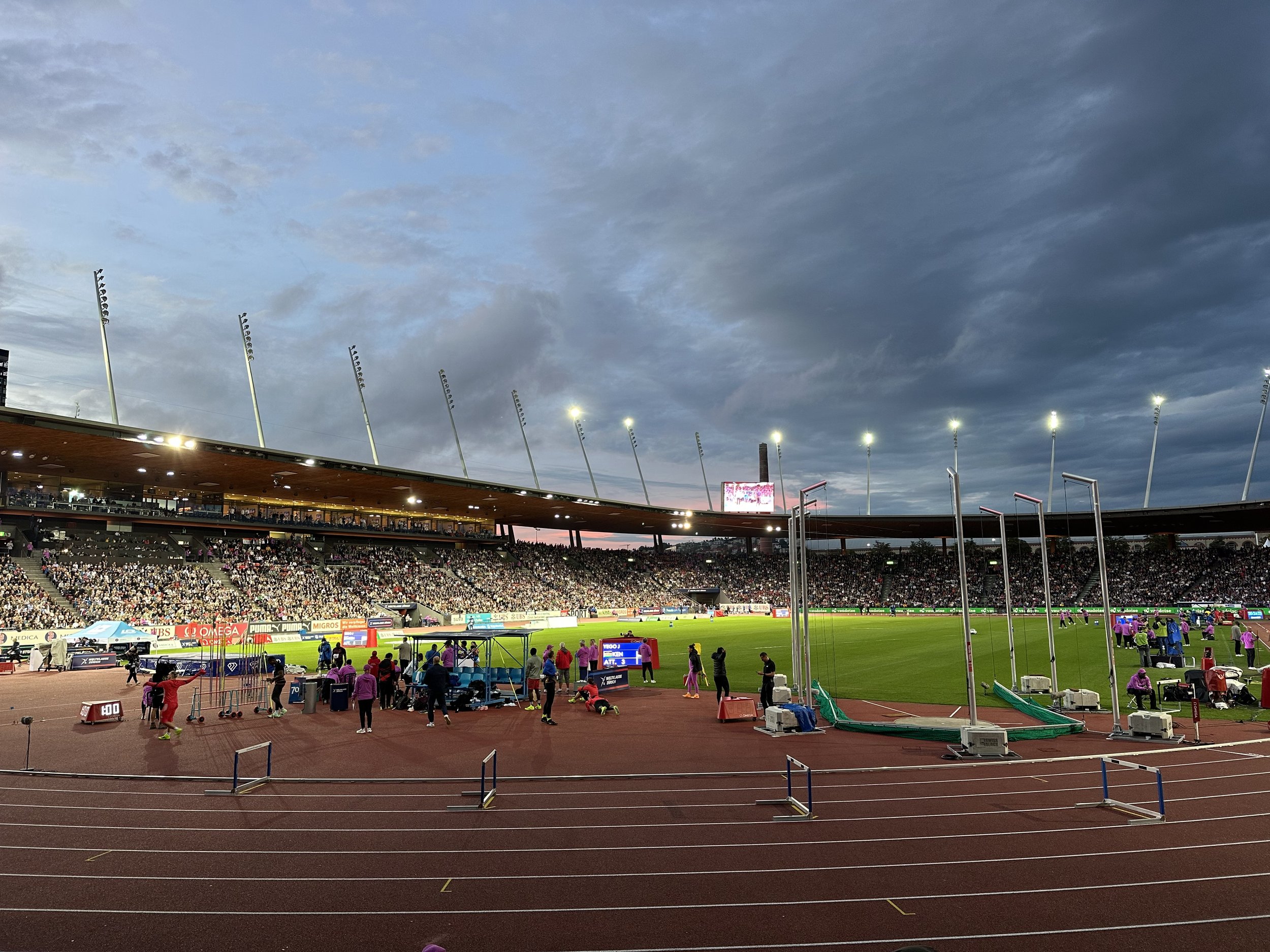
The energy in Letzigrund Stadium was electric and fun - just pure good vibes all around. I was utterly charmed by the tiny remote-control cars that zoomed out to retrieve javelins and ferry them back to the starting line (I'd never thought about how the javelins get returned, but I never in a million years would have guessed this was the way). I loved the way the announcer would hush the entire crowd before a race, the whole arena falling silent in the moment before the starting gun went off. Watching the female sprinters was mesmerizing. And shotput? What a ridiculous event for modern times. I mean this as the highest compliment.
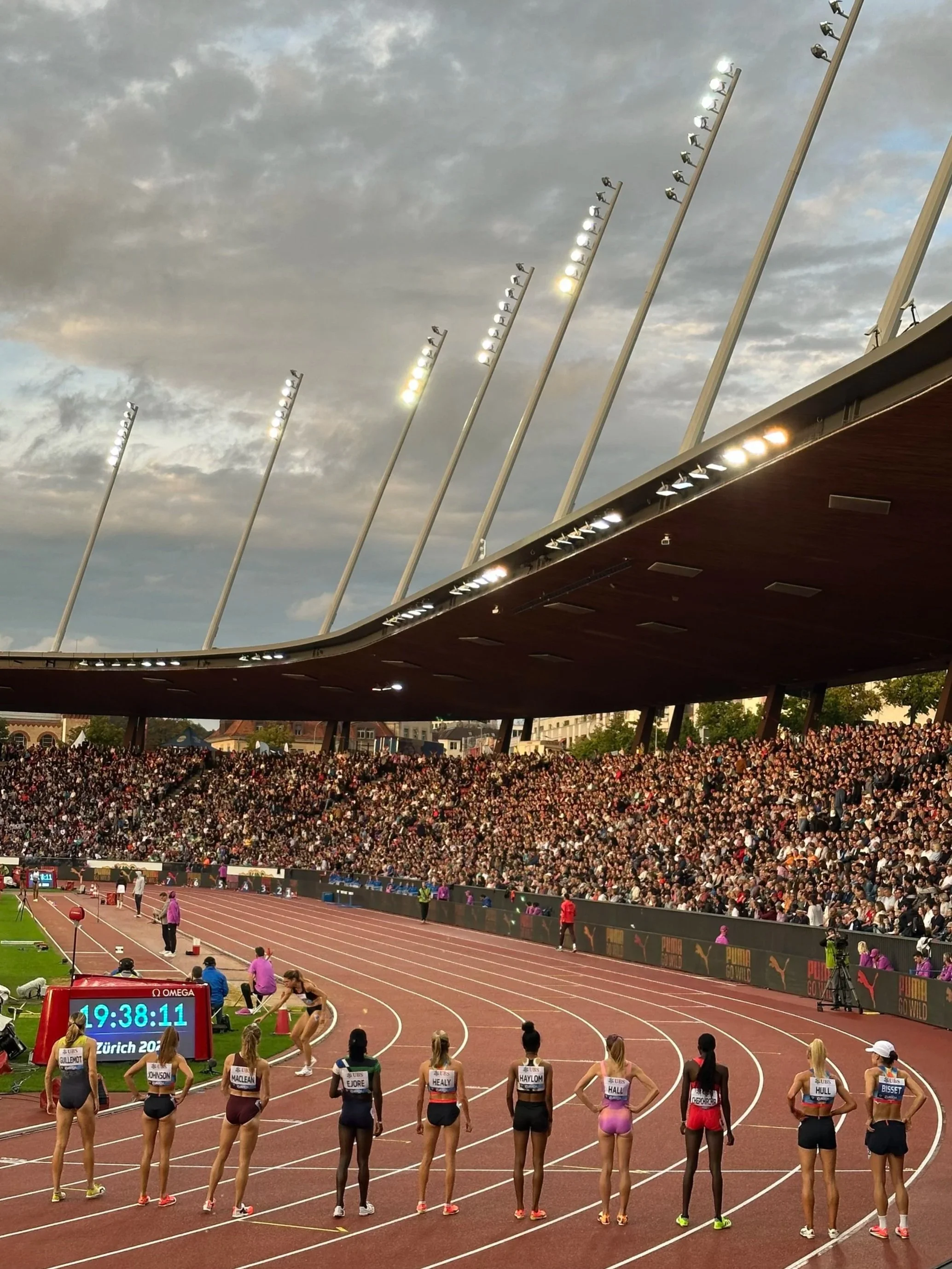
Is this the best event in Zürich? Honestly, I think yes.
Although I can tell you one thing: If you run, your run the day after Weltklasse will be the most humbling run of your life. You spend an evening watching the fastest humans on earth, and then the next morning you're huffing and puffing through your regular jog feeling very, very average. I speak from experience.
10. Building a (Swiss!) business
While I didn't start my hiking consultancy business in 2025, this was the year it truly came into its own. After years of running it quietly alongside my blog, I made the decision to spin it off and officially establish "The WanderWeGo Co." as its own entity. I filled out all the forms, and proudly marched down to the Handelsregistersamt (the Zurich commercial registry office) to drop off my application in person. And getting my registration in the mail, with my very own Swiss business ID, was a big moment.
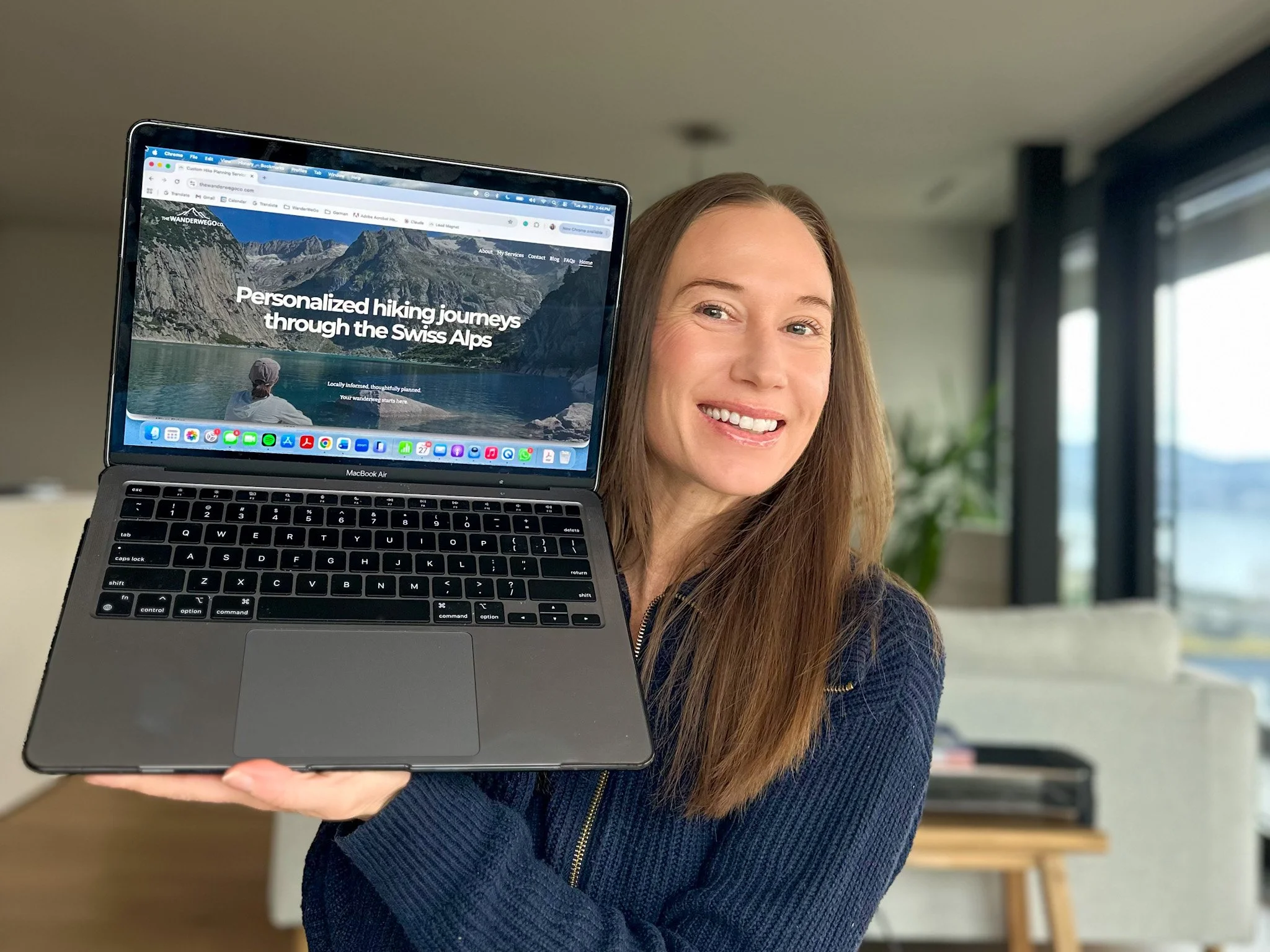
The learning curve has been steep, and as any solo entrepreneur will tell you, this path isn't for the unmotivated or disorganized, and it certainly won't give you more free time. It's demanded more than I expected: juggling client work with marketing, administrative tasks with creative vision, accounting (yikes), taxes (double-yikes). As a chronic overthinker who's also painfully indecisive, making every decision myself has been tough. And while I do still get out for the purpose of "research," the reality is that most days, I'm alone in front of my computer instead of in front of a mountain.
The most unexpected challenge, though, had nothing to do with logistics or business plans. It was learning how to talk about my work openly. Operating behind the scenes felt easy and safe, but promoting it? That felt weird. I wasn't sure how to claim this new professional identity without seeming like I was bragging or being overly self-promotional. Announcing my business to “the world” (i.e. my Instagram followers and mailing list) somehow felt like the scariest step of all.
But I’m getting better at it. I’ve got my elevator pitch down. I have a few podcast interviews under my belt. And when the inevitable “so, what do you do?” question comes up at a dinner party or networking event, I don’t dread it anymore. “Hiking consultant” isn’t exactly a common job title (in fact, I may be the first of my kind), but I’m learning to own it. There’s usually a moment of curious confusion before I explain what I mean, but now I can do that with genuine confidence instead of shy uncertainty.
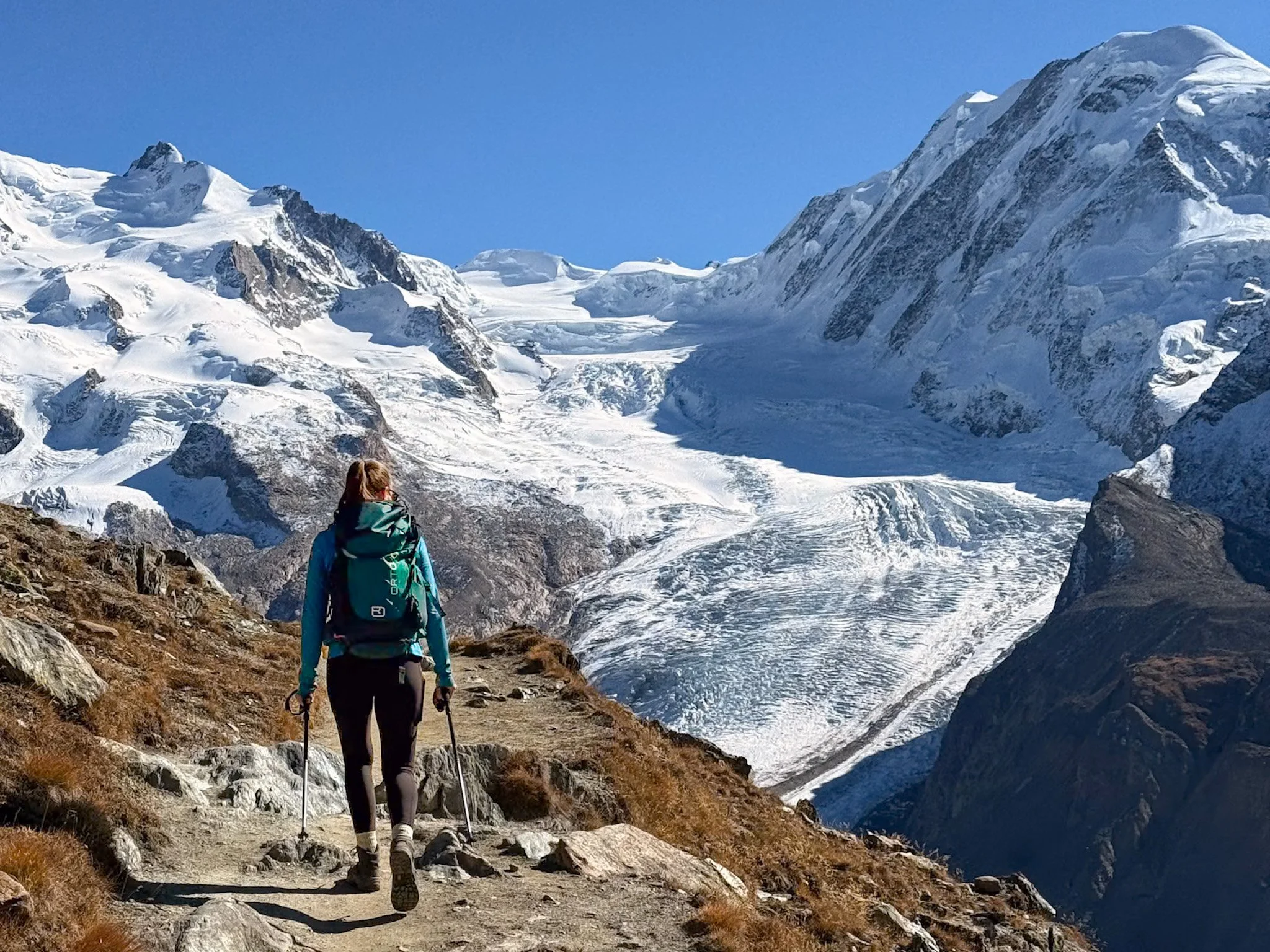
And that confidence comes because I’m proud of what I’m building. My client base has been largely American, which surprised me at first but now makes complete sense. I’ve found it deeply satisfying to be a bridge between American perspectives and Swiss culture. Through this work, I've been able to expand my own knowledge about hiking, mountain preparation, and the Alps in ways I never anticipated. Most of all, though, it's been incredibly rewarding to be part of people's trips. For most of my clients, this is their first trip to Switzerland—maybe their only one ever. And I don’t take that lightly. In fact, I probably take it a little too seriously, and end up spending hours and hours meticulously crafting each route to make it as perfect as possible. But that’s because I love that so many people want to make the most of their Swiss trip by hiking, and I feel honored to play a role in making it happen.
I'll end with this: It’s never lost on me that it was this blog that started it all. This humble little blog, simply meant as a virtual letter to friends and family about my new life in Switzerland. I spent some time yesterday reading through my oldest posts, starting back in 2019: my first strides in learning German (from Bulgarians, no less), understanding the world of Swiss apartment life, taking my first swim at the badi, my fails and frustrations and successes with integration, and, of course, all the hiking. I didn’t know where all that writing was leading me, but it’s pretty cool to see where I ended up. And I’m excited to see what comes next.
Honorable mentions (because why not):
Hiking our version of the Tour des Muverans
Attending the women’s Euro semi-finals (also my first professional football match!)
Finding a new favorite hut in the Gelten Hut
Putting our guest room to good use, with many many guests hailing from 4 continents
Finally eating fondue in one of those pop-up fondue chalets at the Christmas markets
So that was my 2025! Ten parts of it, anyway.
I've written and rewritten this conclusion over and over. One version focused on my "theme" of the year, which felt unmistakably like getting out of my comfort zone. Another reflected on this blog itself and how it has evolved, becoming less a catalogue of Swiss observations and more a reflection on where I'm at in life. And yet another wrestled with my format of this year-end post: the self-limitations of only writing about "Swiss" experiences and leaving out so many other things that shaped my year.
I think the struggle to conclude says something about where I am: outgrowing things that used to fit, questioning formats that used to work, evolving in ways that feel uncertain but necessary. Maybe that's the real conclusion—that growth is messy and doesn't wrap up neatly.
Thanks for being here, for reading these increasingly wordy posts, and for letting me share a bit of my year with you. And let’s all have a great 2026.
If these posts have inspired your next adventure, consider leaving me a tip! Your support keeps this space ad-free and fuels my work in the mountains.
Leave a Tip